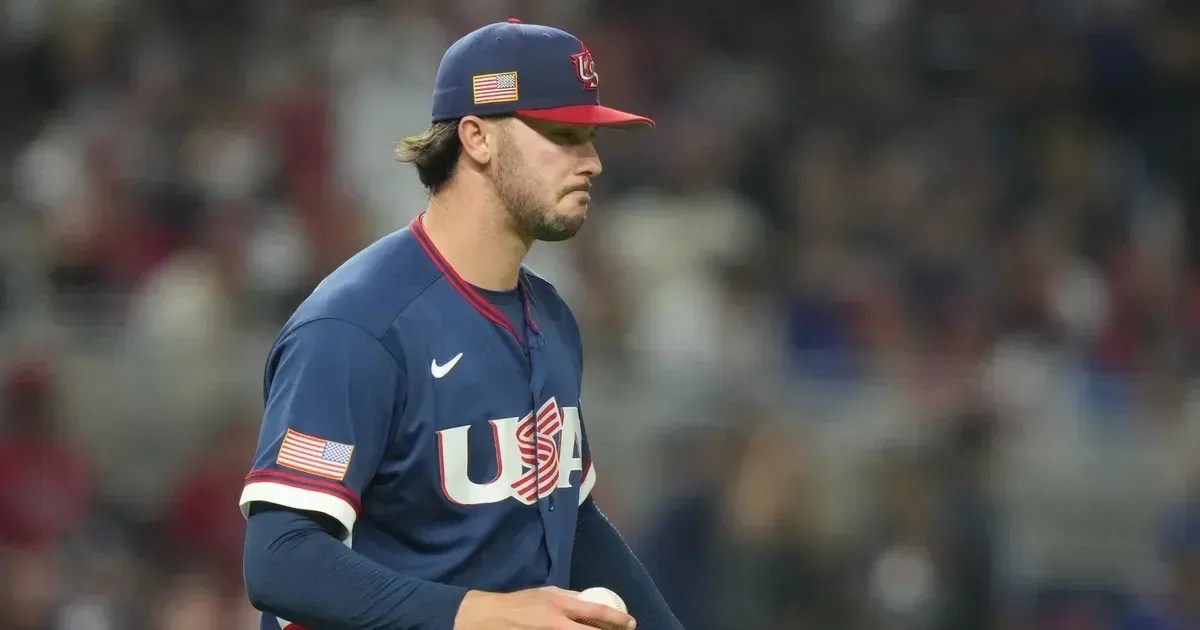
LoanDepot park erupted Sunday night as the United States clung to a razor-thin lead in Miami. United States pitcher Paul Skenes handled a dangerous Dominican Republic lineup to secure a 2-1 victory at the World Baseball Classic. This result propels the American squad into the championship game, where they await the winner of the upcoming clash between Venezuela and Italy. The atmosphere in Southern Florida mirrored a playoff atmosphere, with a capacity crowd split between the star-studded rosters of two global baseball superpowers. But the early momentum belonged to the visitors from the Caribbean. Junior Caminero, the 22-year-old rising star from the Tampa Bay Rays, silenced the pro-USA contingent in the bottom of the second inning. He sat on a hanging breaking ball from Skenes with two strikes on him. Caminero launched the ball over 400 feet into the left-field seats, initiating a celebratory dugout parade that has become a trademark of the Dominican squad. The blast gave the Dominican Republic an early 1-0 lead and forced Skenes to rethink his approach against a lineup featuring multiple MLB All-Stars. Skenes quickly adjusted his sequencing to avoid further damage. He leaned on a high-velocity fastball that touched triple digits to keep the Dominican power hitters off balance. Despite the early home run, the young right-hander displayed the poise of a seasoned veteran by retiring the next six batters in order. His ability to limit the damage in the early frames proved essential as the American offense struggled to find its rhythm against Luis Severino. The Dominican starter used a sharp slider to induce weak contact throughout the first three innings.
USA Pitching Holds the Line
Meanwhile, the tactical battle on the mound shifted toward the American bullpen as the game progressed. Mark DeRosa, the manager for the American side, monitored pitch counts closely to ensure his high-use arms remained fresh for the closing stages. The Dominican lineup, though dangerous, began to show signs of frustration as the American staff executed a game plan built on high fastballs and tunneling changeups. For instance, the heart of the Dominican order went hitless between the third and sixth innings, a stretch that allowed the American bats to find a way back into the contest. The reliance on advanced scouting played a major role in how the Americans approached the middle innings. Scouting reports indicated that certain Dominican hitters struggled with vertical movement, a weakness the American pitchers exploited relentlessly. The United States staff focused on elevating the four-seam fastball to set up diving splitters in the dirt. The strategy effectively neutralized the power of a lineup that had averaged five runs per game entering the semifinal. By the time the game reached the seventh inning, the Dominican hitters were swinging at pitches well outside the strike zone.
The tension remained high as every foul ball and close take drew a thunderous reaction from the stands. The Dominican Republic fans, known for their drums and air horns, maintained a constant wall of sound that challenged the communication between the American infielders. DeRosa noted before the game that the environmental factors in Miami are more taxing than a standard mid-season professional game. Every pitch carried the pressure of national pride, heightening the physiological stress on the athletes participating in the tournament.
Henderson Homer Turns the Game
According to tactical data provided to the coaching staff, Gunnar Henderson represented the best statistical matchup against Severino. DeRosa made the controversial decision to start Henderson at third base, his secondary position, over the more established Alex Bregman. The choice was rooted in Henderson's historical success against Severino's pitch profile. Yet the gamble remained unproven until the top of the fourth inning, when Henderson stepped into the box with the Americans trailing by a single run. He did not miss the opportunity to validate his manager's confidence.
Henderson connected with a 94-mile-per-hour heater that stayed over the middle of the plate. The ball traveled deep into the right-center field stands, tying the score and shifting the emotional energy of the stadium in an instant. This single swing changed the complexion of the game, forcing Dominican manager Rodney Linares to go to his bullpen earlier than anticipated. Severino departed the game shortly after, having allowed only two hits, but the Henderson blast had already done its damage. The American dugout erupted as the young Baltimore Orioles star crossed home plate.
The insertion of Gregory Soto into the game created a new set of challenges for the American hitters. Soto brought a different look with a high-velocity left-handed sinker that moved late in the zone. He faced Boston Red Sox prospect Roman Anthony, who has become a breakout performer during this tournament. Anthony managed to run the count full, forcing Soto to work for every out in a sequence that exhausted the reliever. The Americans managed to scratch across another run during the chaotic transition between Dominican relief pitchers.
Miami Crowd Gets a Classic Finish
The Dominican defense remained sharp, preventing the game from spiraling out of reach.
The broader implications for the sport cannot be overlooked after such a high-pressure encounter. The World Baseball Classic has struggled in the past to gain the same level of prestige as other international competitions, yet this semifinal suggested a shift in perception. The commitment from top-tier professional players to participate in 2026 has elevated the quality of play to a level that rivals the World Series. Attendance figures in loanDepot park have consistently broken records, proving that a market for international baseball exists in the American field. The atmosphere on Sunday was a sign of how much the tournament has grown.
The victory also gives the Americans a chance at redemption for their 2023 loss to Japan. The memory of that defeat has fueled the preparation for the current roster, with many players citing the championship game loss as their primary motivation for returning. They now stand one game away from reclaiming the title of world champions. The focus now turns to the recovery process as the team prepares for a final that will likely draw a huge global television audience. Venezuela or Italy will provide a different set of challenges, but the American squad has proven it can survive the pressure of an elimination game.
A Tight Semifinal Rewarded Pitching
Is the World Baseball Classic truly a contest of nations, or is it an elaborate marketing exercise for Major League Baseball to protect its global revenue? The 2-1 scoreline between the United States and the Dominican Republic suggests a high-level sporting event, but the underlying reality is far more cynical. We are looking at a collection of millionaires playing a glorified exhibition while their primary employers in the front offices hold their breath over potential injuries.
The Dominican Republic exits the tournament with their pride intact, but the American victory feels less like a triumph of national character and more like a victory for the depth of the MLB scouting system. If this tournament were genuinely about the best of the best, we would not see pitch counts and mandatory rest days dictating the flow of a semifinal. The United States moves on to the final, yet the asterisk of missing aces and restricted stars remains.
Redemption against Japan is the story being sold to the public, but the real winner is the corporate entity that successfully monetized nationalistic fervor during the slowest month of the sporting calendar. Expect the final to be a display of talent, but do not mistake it for the pure competition found in the Olympics or the World Cup. It is professional entertainment dressed in a flag.