Vice President J. D. Vance walked into the Oval Office on Monday to justify a military campaign that contradicts his previous reputation as a skeptic of foreign entanglements. The story had moved from specialist concern to a wider public test. Vance stood alongside President Donald Trump to launch an antifraud initiative, yet his presence was intended to signal unified support for the 19-day-old conflict. White House aides confirmed that the vice president is taking a more forward-facing role to bridge the gap between his isolationist base and the current kinetic realities. Internal reports suggest that Vance has spent late nights reviewing classified data on missile defense effectiveness.
He argued that preventing a broader regional catastrophe requires the aggressive degradation of hostile assets. According to source reports from The Hill, Vance also addressed questions regarding his support for the operation during the domestic policy event.
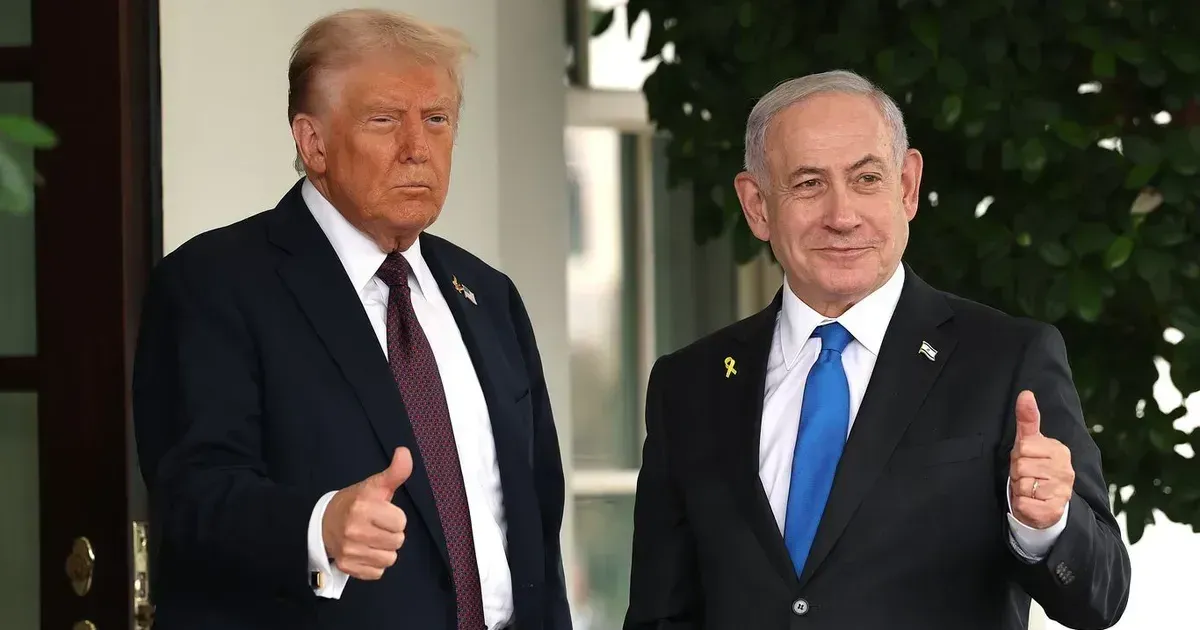
Separately, the administration is managing a deepening strategic rift with Jerusalem over what constitutes an acceptable conclusion to the fighting. Donald Trump and Prime Minister Benjamin Netanyahu have spoken almost every day since the first missiles launched. Trump told reporters that they are working great together, but U.S. officials realize the two countries have diverging levels of risk tolerance. Washington remains focused on military objectives like decimating the Iranian navy and missile program. By contrast, Israel is pursuing high-level assassinations and attempting to lay the groundwork for regime change. Mossad intelligence officers are even attempting to stoke a ground invasion from northern Iraq by Iranian Kurds to destabilize the central government.
Israeli Focus on Regime Change and Decapitation
Israel's tactical approach differs sharply from the American focus on hardware and infrastructure. In the opening strikes of the war, Israeli forces concentrated on decapitating the leadership in Tehran. They believe that removing the ideological core of the regime is the only way to ensure long-term security. Intelligence sources indicate that the Mossad is actively tracking a new set of leaders to target. For instance, several high-ranking Iranian officials have vanished from public view since the second week of the conflict. Israel views these assassinations as a prerequisite for any ceasefire agreement. In turn, the U.S. military has stayed away from these specific political targets to avoid a permanent power vacuum.
Israel is going to try to kill their new leader. They're much more interested in that than we are. And the White House is growing increasingly vocal about these differences in private briefings. Trump described himself as the most bullish person in the administration regarding the war, yet he remains wary of being drawn into a multi-year occupation. He intends to end the war when his core military objectives are met. These goals include the destruction of the Iranian nuclear program and its proxy funding networks. But Benjamin Netanyahu appears more aligned with maximalist objectives that require a complete overhaul of the regional government. Such a divergence could define the ultimate outcome of the campaign. Tel Aviv has continued to undertake a broader range of operations than the U.S. initially authorized.
Washington Limits Scope to Military Assets
American commanders are currently prioritizing the destruction of mobile missile launchers and drone factories. To that end, U.S. Air Force sorties have increased by 20% over the last four days. Military planners are focusing on the Strait of Hormuz to ensure global energy markets remain stable. They see the naval component as the primary threat to domestic economic health. Meanwhile, reports from RealClearPolitics suggest that some of the most critical aspects of the war are not being reported by mainstream outlets. Victor Davis Hanson noted that the success of initial sorties has been underplayed. He noted that the Iranian air defense network was neutralized within the first 48 hours of the campaign.
Still, the logistical reality of the war remains taxing for American supply chains. Senior U.S. officials say that while Trump would view regime change as a bonus, his priority is the neutralization of the nuclear threat. He does not want to commit ground troops to a theater that has historically swallowed American resources. Even so, the pressure from Israeli counterparts to expand the target list is constant. For one, the desire to end major operations before Netanyahu does creates a temporal friction in the war room. Trump advisers tell Axios they believe the president will want to exit the theater while Israel is still ramping up its ground-level subversion. Disagreement persists over the necessity of a northern front involving Kurdish militias.
Vance Handles Domestic Politics and Foreign Conflict
Domestic political considerations are also weighing heavily on the vice president as he attempts to thread the needle on his previous policy stances. Phil Wegmann of RealClearPolitics questioned Vance on Tuesday about how his current support for the war squares with his past isolationist comments. Vance responded by stating that the protection of American interests sometimes requires proactive strikes. He mentioned that the threat to the Strait of Hormuz is an immediate concern for the American consumer. In turn, his supporters have had to reconcile his MAGA-aligned America First rhetoric with the reality of a massive Middle Eastern naval deployment. Vance continues to act as a primary conduit between the populist wing of the party and the military establishment.
Rubio has especially remained in the background during these high-level discussions. While Vance takes the lead on public defenses of the war, the Secretary of State has focused on diplomatic backchannels that have yet to bear fruit. Some analysts suggest this allows Vance to build his foreign policy credentials ahead of future election cycles. Meanwhile, White House Chief of Staff Susie Wiles is managing a serious health crisis that has shifted some internal responsibilities. This has created a vacuum that Vance is more than willing to fill. The administration is attempting to project strength while privately looking for an exit ramp. The internal friction is palpable among the senior staff members who fear mission creep.
Strait of Hormuz Crisis Dictates Deployment Terms
Naval operations in the Persian Gulf have become the centerpiece of the Pentagon's strategy to prevent a global recession. Intelligence indicates that Iran has mined several key shipping lanes despite the heavy presence of the U.S. Fifth Fleet. In fact, oil prices have fluctuated wildly based on the daily success of minesweeping operations. The U.S. navy has destroyed three Iranian frigates that attempted to harass commercial tankers. But the threat from small, unmanned suicide boats remains high. To that end, the administration has requested additional funding for naval electronic warfare systems. The security of the Strait of Hormuz is the one objective both Trump and his critics agree upon. Any closure of the strait would lead to an immediate spike in gas prices across the United States.
Decisions made in the next 72 hours will likely cement the regional order for the next decade. U.S. officials are watching the Iranian response to the latest round of Israeli assassinations with extreme caution. They fear that a direct strike on a high-level Israeli target could force a broader American involvement. For instance, the deployment of more Patriot missile batteries to the region suggests a defensive posture against retaliatory strikes. Iranian proxy forces in Lebanon and Yemen have also increased their rocket fire. Despite the heavy bombardment, the command-and-control structure of these proxies appears resilient. The war is currently entering a phase where attrition will play a larger role than initial shock and awe. Silence from the State Department suggests a growing divide over the final objective.
The Strategic Problem Vance Cannot Avoid
Does anyone truly believe the United States can perform a surgical strike on a major regional power without the patient bleeding out across the entire map? Washington has a long history of promising quick, decisive victories while ignoring the messy reality of the aftermath. The current administration claims to have a limited military focus, yet it is tethered to an Israeli government that is openly plotting regime change. This disconnect is more than a strategic hiccup; it is a recipe for an indefinite occupation.
Trump may want to pull the plug once the missiles are gone, but Netanyahu is playing a much longer game of survival. By letting the Mossad lead the way on assassinations and Kurdish uprisings, the U.S. is effectively outsourcing its foreign policy to a nation with vastly different security requirements. Vance is trying to sell this to the isolationist base as a necessary evil, but his rhetorical gymnastics are failing to hide the smell of mission creep. History teaches that once you break the glass in Tehran, you are the one responsible for the shards. If the administration does not find a way to decouple its endgame from Israel's maximalist fantasies, the Strait of Hormuz will be the least of our long-term problems.