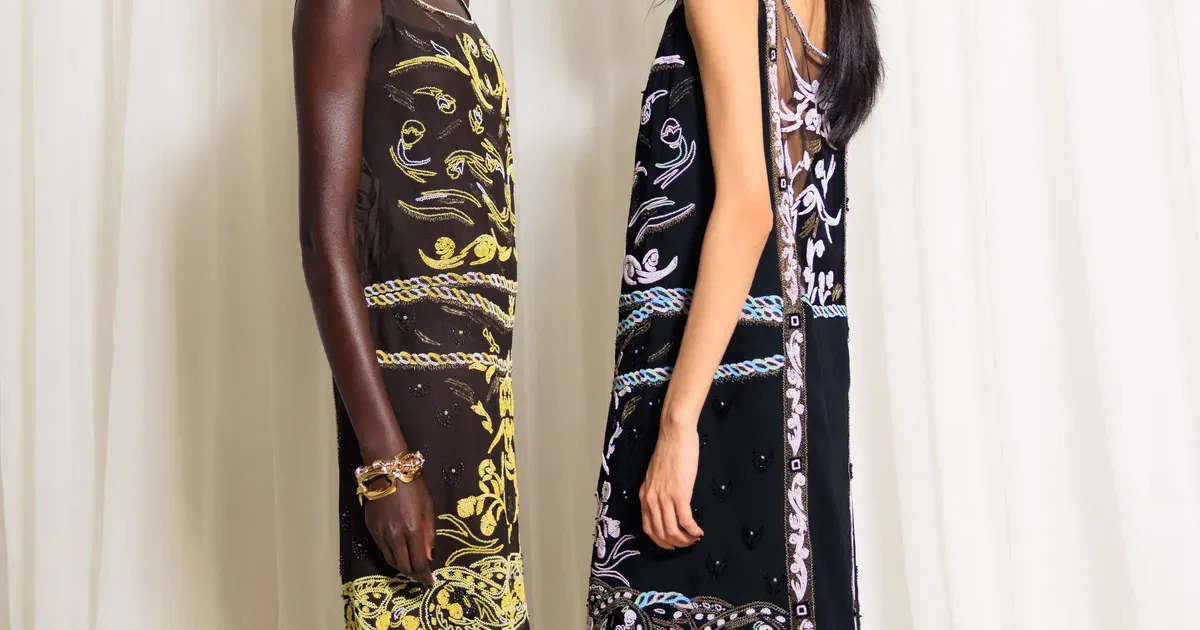
The data points to a consumer shift rather than a single trend. March 30, 2026, establishes a clear pivot in how luxury fashion houses interpret digital engagement as Vogue analysts confirmed a surge in user interaction across the Fall 2026 runway collections. Raw data tracking the most saved images from the latest shows reveals a transition toward wearable sophistication rather than transient shock value. Every click and digital bookmark is a precursor to manufacturing orders for the upcoming winter retail cycle. Retailers now monitor these metrics with the same intensity previously reserved for inventory turnover rates.
What Changed
Digital curation through Vogue Runway has effectively replaced traditional trend forecasting in the high-fashion sector. Individual users now dictate the commercial viability of a collection before a single garment enters mass production. Analysis of the Fall 2026 season shows that consumers are gravitating toward structural longevity and classic silhouettes. These preferences differ sharply from the experimental aesthetics that dominated the post-pandemic fashion cycles of the previous five years.
Why It Matters
Fashion designer Tory Burch has capitalized on this data-driven environment by collapsing the traditional waiting period between runway presentation and consumer purchase. Her brand recently introduced an exclusive window for the Spring 2026 collection, offering a 24-hour shopping opportunity to select digital audiences. This strategy targets the immediate gratification desired by modern luxury buyers. Sales figures suggest that early access models sharply increase brand loyalty among younger demographics who value exclusivity over traditional seasonal availability.
Vogue Runway analysts reported that the volume of saved images has reached record levels this month. Users are not just looking; they are cataloging specific items for future acquisitions. High-resolution photography from backstage areas, particularly shots by Acielle, provides a level of detail that influences these saving habits. Direct engagement with these images allows fashion houses to adjust their production volumes based on specific look popularity. Production efficiency has become the primary goal for major labels facing rising material costs in March 30, 2026.
A spokesperson for the publication stated that Vogue First provides 24-hour exclusive access to shop Tory Burch's Spring 2026 collection and discover key pieces before everyone else.
Exclusive access remains a foundation of the luxury experience even as the industry moves toward digital democratization. Brands that offer early entry into their inventories can bypass the noise of the general retail market. Tory Burch utilizes these short-duration windows to test price sensitivity for new accessories and footwear. Early data indicates that high-end shoppers are willing to pay a premium for the privilege of early ownership. This behavior pattern suggests a shift away from the traditional six-month fashion cycle.
Luxury houses like Dior are also seeing high engagement levels on digital platforms despite their commitment to traditional craftsmanship. Backstage imagery often generates more saves than professional runway shots because it humanizes the garments. Consumers seek a sense of proximity to the creative process that polished editorial photos sometimes lack. Clicks on these images often lead to higher conversion rates when the products eventually reach boutiques in Paris and New York. The connection between digital interest and physical sales has never been more direct.
Supply-chain managers are using these digital saves to reduce the risks associated with overproduction. Predictive modeling based on Vogue user data allows companies to divert resources toward high-demand items while scaling back on less popular designs. Reduced waste is a byproduct of this analytical approach to fashion design. Environmental regulations in the UK and US have made such efficiency a necessity for continued operation in the global market. Accuracy in forecasting now determines the profit margins of billion-dollar fashion conglomerates.
Spring 2026 collections are already hitting digital storefronts while the Fall 2026 runways are still being analyzed by critics. This overlap creates a continuous shopping environment that challenges the traditional concept of seasons. Retailers must manage inventory for multiple climates and styles simultaneously. Tory Burch has shown that a 24-hour exclusive can create more buzz than a month-long advertising campaign. Speed is the new currency in an industry once defined by its slow, deliberate cycles.
International buyers have noted that the most saved images often feature versatile pieces that go beyond a single season. Trench coats, leather boots, and structured blazers dominated the Fall 2026 metrics. These items represent a move toward investment dressing where consumers prioritize quality and durability. High-fashion brands are responding by increasing the production of core collection items. Trends are now being defined by the longevity of the save instead of the initial splash of the show.
Every digital interaction provides a data point that reshapes the future of the industry. Designers no longer work in a vacuum, isolated from the reactions of their global audience. Instant feedback through Vogue Runway creates a feedback loop that can either validate a creative direction or force a sudden pivot. Marketing budgets are increasingly allocated to digital platforms that enable these direct consumer connections. Traditional print advertising continues to lose ground to interactive digital experiences.
Consumer habits in 2026 reflect a desire for both immediacy and permanence. The ability to shop a collection like the Tory Burch Spring 2026 line within hours of its debut satisfies the need for novelty. Simultaneously, the habit of saving Fall 2026 images for later consideration demonstrates a thoughtful approach to wardrobe building. Brands that can navigate both needs will likely dominate the market share in the coming decade. Data remains the most powerful tool for navigating this complex retail environment.
Fashion Demand Shift
The Vogue data points to a consumer who still wants access but is more selective about what deserves urgency. Exclusivity alone may not be enough if buyers do not see lasting value.
Fashion houses will read the shift carefully. Demand signals from early access programs can influence inventory, pricing and the pace at which runway attention turns into sales.