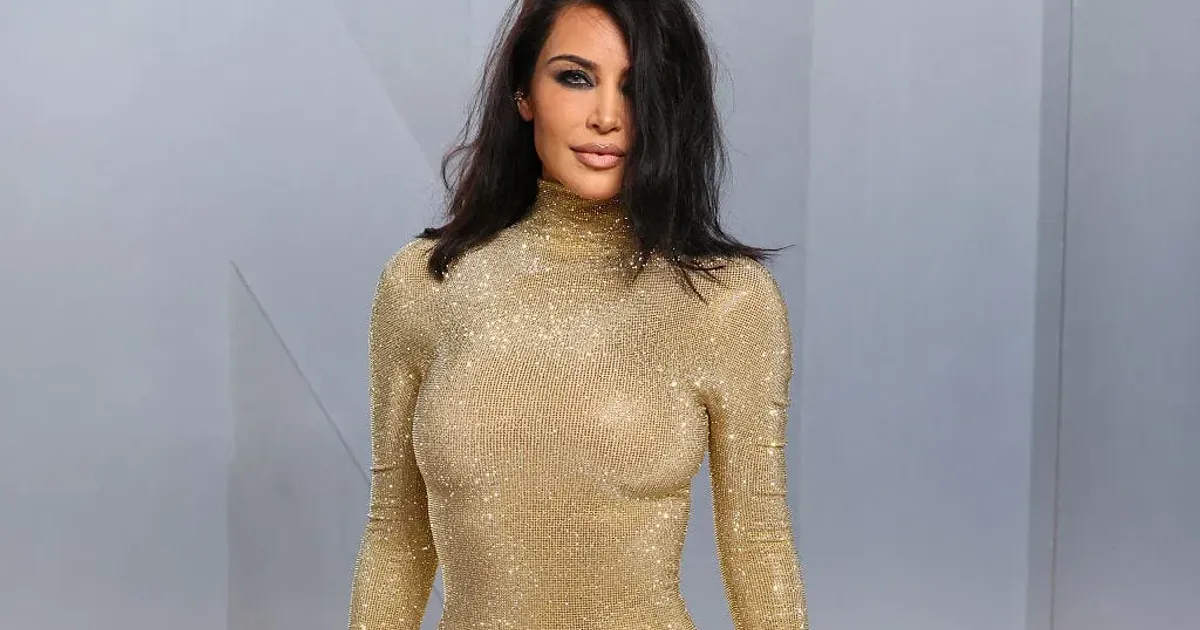
Kim Kardashian and Hailey Bieber popularized the long bob as the definitive hairstyle for Spring 2026 during recent high-profile appearances in Los Angeles and Paris. Margot Robbie and Emma Stone followed suit, cementing the collarbone-grazing cut as the primary aesthetic anchor for the global luxury fashion and beauty market. This versatility allows the look to stay polished without requiring the frequent upkeep of traditional short cuts. Modern interpretations of the style focus on an effortless finish that bridges the gap between high-fashion sophistication and everyday practicality.

Stylists refer to this specific length as the lob, a designation that has resurfaced with significant force this year. Philip Downing, the creative director at Bed Head, notes that the added length around the face provides options for tying the hair up, which shorter pixies lack. Many celebrities now prefer this compromise because it offers a sense of transformation without a long-term commitment to high-maintenance salon visits. While previous iterations of the bob focused on rigid geometry, the current movement emphasizes movement and a soft, natural bend in the hair.

Style is still a primary driver of consumer sentiment in the global luxury market.

Celebrity Stylists Revive the Long Bob for Spring

Bustle reports that the updated version of the lob draws heavy inspiration from the early 1990s. This era featured iconic figures like Naomi Campbell and Christy Turlington, who favored sleek hair with subtle lift at the roots. By contrast, the mid-2010s focused on messy, beachy waves that often appeared distressed. The 2026 version focuses on a smoother surface and a healthier shine, reflecting a broader cultural shift toward refined, clean beauty standards. Minimalist styling products are replacing heavy waxes to maintain this airy, breathable texture.

‐They’re the perfect compromise,‐ says Philip Downing, creative director and hairstylist at Bed Head.

Yet, the simplicity of the cut belies the precision required to achieve the right silhouette. Stylists must balance the pressure of the hair to ensure it grazes the collarbone without flipping outward awkwardly. For one, the tuck-behind-the-ear technique has become a signature styling move for Hailey Bieber, creating a sharp line that highlights the jaw. This subtle adjustment transforms a casual daytime look into something suitable for a red-carpet event or a corporate boardroom. Adaptability is the new currency of the fashion elite.

Meanwhile, the economic implications of these trends are substantial for the professional salon industry. Analysts estimate that the shift toward lower-maintenance cuts could alter the frequency of client visits, which typically occur every four weeks for shorter styles. Even so, the demand for high-end glossing treatments and professional-grade finishing products is expected to rise. Consumers are willing to trade frequent trims for premium services that enhance the longevity and health of their hair. Maintenance cycles are lengthening, but the per-visit spend is increasing.

Sporty Silhouettes Dominate Wardrobe Layering Strategies

Vogue identifies clever layering and sporty silhouettes as the foundational elements of the Spring 2026 wardrobe. Designers are moving away from restrictive garments in favor of breathable fabrics that allow for fluid movement. In fact, the blending of athletic wear with traditional tailoring has reached a new level of sophistication this season. Lightweight parkas are being paired with silk trousers, while tech-fleece vests appear over structured button-down shirts. The combination provides a practical solution for the fluctuating temperatures associated with the transition into warmer weather.

And, the color palettes accompanying these silhouettes remain largely muted. Earthy tones like olive, sand, and charcoal provide a neutral base that allows the structural details of the clothing to take center stage. For instance, oversized blazers with hidden drawstrings allow the wearer to customize the fit, reflecting a desire for personalized fashion. Luxury houses are increasingly focusing on these functional details to differentiate their offerings in a crowded market. Utility is no longer a secondary concern in high-end apparel design.

Still, the success of these sporty looks depends on the quality of the textiles used. Manufacturers are investing in high-performance fibers that wick moisture while maintaining a soft, natural hand-feel. Separately, the use of recycled materials in luxury collections has become a standard practice rather than an optional feature. The focus on sustainability aligns with the values of a younger, more environmentally conscious demographic of buyers. Performance and ethics are now intertwined in the garment production process.

Antioxidant Skincare Shifts Toward Lighter Product Formulas

Skincare routines must evolve alongside the wardrobe as humidity levels and UV exposure increase. Experts suggest that the heavy, occlusive creams used during winter can lead to congestion and breakouts in warmer conditions. In turn, dermatologists are recommending a shift toward water-based moisturizers and lightweight serums. These formulas provide necessary hydration without leaving a greasy residue on the skin. $11 billion in annual sales is generated by the global moisturizer market, and the seasonal pivot toward lighter products accounts for a major portion of this revenue.

Antioxidant protection is a critical component of any spring regimen to combat the effects of environmental stressors. Vitamin C and ferulic acid are frequently cited as essential ingredients for neutralizing free radicals generated by sun exposure. According to Vogue, consistent exfoliation is also necessary to remove the buildup of dead skin cells that can dull the complexion. To that end, chemical exfoliants like lactic acid are preferred over abrasive physical scrubs because they offer a more controlled and gentle resurfacing effect. Healthy skin starts with a balanced barrier.

But, the application of sunscreen remains the most essential step in preventing premature aging and skin damage. Modern sunscreens have moved away from the thick, white pastes of the past, offering invisible finishes that sit comfortably under makeup. Many brands are now integrating skin-blurring technology into their SPF products, further blurring the line between skincare and cosmetics. Consumers are demanding multi-functional products that simplify their morning routines while providing maximum protection. Efficiency is the ultimate goal for the modern beauty enthusiast.

The Elite Tribune Perspective

Efficiency has finally cannibalized creativity in the boardrooms of the world's largest fashion conglomerates. The obsession with "effortless" beauty and "low-maintenance" hair is not an organic movement; it is a calculated response to a consumer base that is increasingly time-poor and economically cautious. By rebranding laziness as a 90s-inspired aesthetic, the industry has successfully lowered the bar for innovation while maintaining a premium price tag. There is a deep irony in spending hundreds of dollars on a haircut designed to look like a client missed their last three appointments.

Similarly, the shift toward sporty silhouettes is less about an active lifestyle and more about the total surrender to a culture of comfort that focuses on utility over artistic expression. We are currently witnessing the commodification of the mundane. When every trend is marketed as a simplified version of something that came before, the industry risks entering a cycle of perpetual stagnation. If the pinnacle of 2026 style is a long bob and a lightweight parka, the avant-garde is officially dead. Luxury should be a challenge to the status quo, not a comfortable retreat into the familiar.

The current path suggests a future where fashion is merely a functional uniform for the elite.