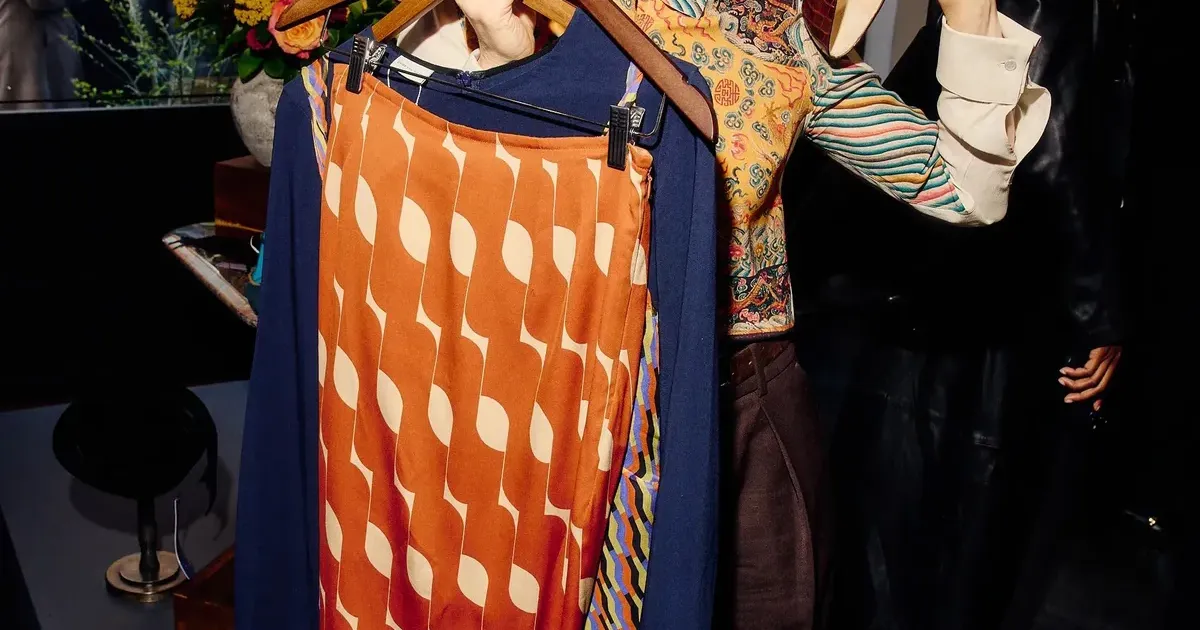
Vogue editors disclosed the specific items currently occupying their personal closets and the curated selections they extracted from the 2026 Vogue Vintage Market. These professionals, who often define the aesthetic standards of the global fashion industry, selected a total of 28 items that prioritize longevity over ephemeral seasonal trends. On April 1, 2026, purchases ranged from utilitarian cotton dresses to rare designer handbags that once appeared on historic runways. Participants at the market event targeted archival pieces that retain value better than many contemporary luxury goods.
Staff members within the publication often receive early access to the most coveted items before the general public enters the marketplace. Market records show a preference for understated designs that avoid heavy branding or excessive ornamentation. High-level editors focused their attention on the resale value of archival pieces from the late nineties and early aughts. Demand for these specific eras has surged as modern luxury prices continue to rise while material quality often declines. These insiders invested in pieces that function as both wearable fashion and stable financial assets.
Vogue employees provided a detailed breakdown of their recent winter acquisitions, highlighting a mix of high-street staples and four-figure luxury investments. Their closets now feature cotton dresses designed for year-round versatility rather than single-season wear. Analysts observing the 2026 Vogue Vintage Market noted that editors moved quickly to secure leather goods from legacy European houses. One senior editor purchased an archival bag that has already seen a double-digit percentage increase in resale value over the last eighteen months. Spending patterns suggest a rejection of the disposable fast-fashion cycle in favor of items that survive multiple decades of use.
Vogue Vintage Market Generates High Demand for Archives
Collectors and editors alike swarmed the recent market event to find rare runway looks that are no longer in production. The sheer volume of archival material presented at the 2026 Vogue Vintage Market created a competitive environment for professional buyers. Most editors sought out specific designers known for technical mastery and durable textiles. Resale experts from Getty Images documented transactions involving several high-value pieces that had not been seen in public for years. One specific archival coat from a 1996 collection sold minutes after the doors opened to staff.
The items we choose to spend our personal capital on represent a rejection of the fleeting trends that dominate social media, favoring instead the craftsmanship found in archival runway pieces that have already stood the test of time.
Staff members expressed a clear desire for tactile quality over digital hype. Personal style choices within the editorial office lean heavily toward items that can be repaired and maintained over long periods. This strategy protects the buyer from the volatility of the primary luxury market where prices for new bags often exceed $5,000. Many editors reported that their vintage purchases are more durable than current-season offerings. They look for heavy silk, high-grade leather, and hand-stitched details that have become rare in mass-produced luxury lines.
Vogue Editors Prioritize Understated Designer Bags
Bag selections this winter shifted toward minimalist forms that avoid the loud logos seen in previous years. Vogue staff members favored quiet luxury brands that offer structural integrity and neutral color palettes. Black, navy, and tan leather dominated the shopping lists of the most senior staff members. These colors ensure that an expensive bag remains relevant across different fashion cycles. One editor noted that her primary winter purchase was a simple leather tote that contains no external branding. Such choices reflect a broader movement toward privacy and exclusivity in high-end fashion circles.
Buying habits show that editors are willing to spend more on a single understated bag than on several trend-focused accessories. They view these bags as foundational elements of a professional wardrobe. Durability is the primary metric used during the selection process. Editors tested zippers, inspected linings, and examined the grain of the leather before committing to a purchase. A well-constructed bag from an archival collection often outperforms a brand-new model for structural longevity. These purchases are intended to be used daily for years.
Editorial Spending Reflects Shift Toward Cotton Luxury
Cotton dresses became a surprising staple in the winter wardrobes of the fashion elite. While many consumers associate cotton with summer, Vogue editors use heavy-weight cotton blends for year-round layering. They paired these dresses with boots and wool coats to navigate the winter months. The move toward natural fibers marks a serious departure from the synthetic blends that have flooded the market. High-quality cotton offers breathability and comfort that polyester cannot replicate. Editors reported that these dresses are among the most frequently worn items in their current rotations.
Spending on cotton luxury items has increased by 15 percent among the editorial demographic. Brands that focus on organic materials and ethical production methods received the most attention from the shopping team. One specific midi-length cotton dress appeared in the closets of three different editors. This commonality suggests a consensus on what constitutes a smart purchase in 2026. Cotton is easier to clean and maintain than delicate silks or complex synthetics. Editors value the practicality of a garment as much as its aesthetic appeal.
Retailers have noticed this shift and are beginning to adjust their inventory to include more premium cotton options. The 28 items selected by editors serve as a guide for these retail adjustments. Consumers often follow the lead of Vogue staff when deciding where to allocate their seasonal budgets. When editors prioritize cotton, the market responds by increasing production of high-grade natural textiles. The wider effect stabilizes the demand for sustainable farming and manufacturing processes. These editors are essentially voting with their wallets for a more responsible fashion industry.
Economic Impact of Archival Fashion Purchases
Archival fashion is no longer a niche hobby for specialized collectors. It has become a meaningful economic driver within the luxury sector. The success of the 2026 Vogue Vintage Market proves that there is an enormous appetite for authenticated second-hand goods. High-end brands are now launching their own resale platforms to capture a piece of this revenue. Editors are leading this transition by demonstrating how to integrate vintage pieces into a modern wardrobe. Their transparency regarding their own spending helps legitimize the secondary market for a wider audience.
Capital previously spent on new arrivals is now being diverted into the archival market. The shift has forced luxury houses to reconsider their pricing strategies for new collections. If an archival piece from ten years ago is more desirable than a new arrival, the brand must work harder to justify its current price points. Editors are using their influence to demand better quality from contemporary designers. They are showing that they would rather buy a used item of superior quality than a new item that feels cheap. The economic pressure is healthy for the long-term viability of the industry.
Investment in archival fashion also reduces the carbon footprint of the editorial team. By purchasing existing garments, they avoid the environmental costs associated with new production. The alignment with sustainability goals is a factor in their shopping decisions. The market event was a platform to celebrate the longevity of well-made clothing. Editors proved that fashion does not have to be new to be relevant. Their purchases represent a long-term commitment to quality over quantity.
Archival Fashion Economics. The editorial shift toward second-hand luxury is also a pressure signal for primary fashion houses. If older bags and runway pieces feel better made than current releases, brands must defend new-season prices with construction quality rather than marketing volume.
Editors are not abandoning fashion spending. They are reallocating it toward garments with provenance, repairability and resale value. That makes the archive a competitor to the runway and turns durability into the clearest luxury metric.