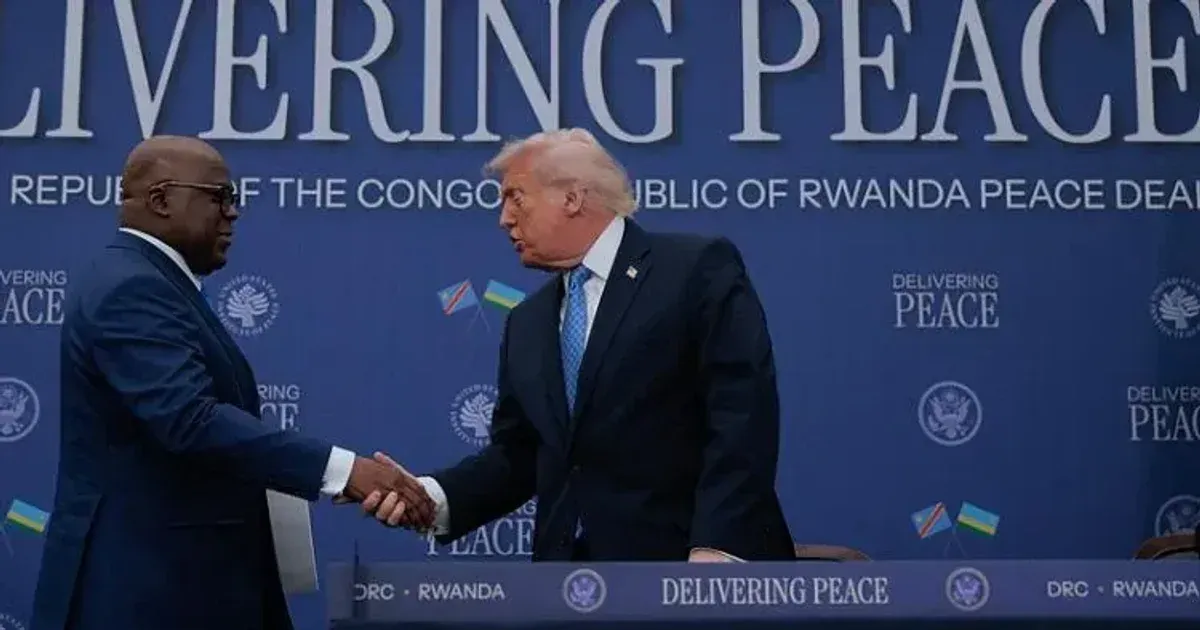
The deportation plan turns logistics into foreign policy. Kinshasa now sits inside an American enforcement debate. Negotiators in Kinshasa and Washington finalized details on April 5, 2026, for a program that shifts American deportation logistics to Central Africa. Democratic Republic of Congo officials confirmed the nation will accept third-country nationals removed from US soil under a deal entirely bankrolled by the American government. This arrangement establishes a processing network that now includes Ghana and Cameroon.
Migrants from across the globe face transfer to a region currently struggling with its own internal displacement crisis. UN sources indicate the program targets unauthorized individuals who possess no ancestral or legal ties to the African continent. Diplomats briefed on the matter claim the Democratic Republic of Congo serves a logistical function in a broader effort to accelerate removals from the US southern border.
Mineral Access and Security Tradeoffs in Kinshasa
Diplomatic maneuvering behind the deal links migration enforcement to strategic resource acquisition. US officials are simultaneously pressuring President Felix Tshisekedi to implement peace agreements with Rwanda. Access to critical minerals like cobalt and lithium persists as a central foundation of the bilateral talks between the two nations. Kinshasa holds 70% of the world's cobalt, a resource essential for the American green energy sector.
Securing a steady supply of these minerals requires a stable political environment in the eastern provinces. Washington has offered increased military aid and security cooperation in exchange for Congolese cooperation on the migration front. African geopolitical analysts observe that the deportation deal provides the Tshisekedi administration with meaningful leverage in these wider trade negotiations. The US provides the funding while Kinshasa provides the geographic solution to a domestic American political problem.
Bilateral discussions also involve the implementation of the Luanda and Nairobi processes. These peace frameworks aim to neutralize the M23 rebel group operating near the Rwandan border. US support for Congolese territorial integrity is now closely linked to the success of the deportation centers. Security forces in Kinshasa must ensure the safety of transit facilities while fighting active insurgencies in the east.
Human Rights Concerns for Third Country Nationals
Advocacy groups warn that bypassing traditional deportation routes exposes migrants to extreme physical risk. Legal experts note that some individuals slated for transfer already hold court-ordered protections within the American judicial system.
"The plan could include migrants from South America, potentially Venezuelans," stated a source at the International Organization for Migration.
Legal challenges in US federal courts are expected to test the constitutionality of sending South American nationals to a Central African conflict zone. Human rights observers in Kinshasa have documented systemic failures in the Congolese judicial and detention systems. Forcible returns to third countries often lack the oversight necessary to prevent refoulement. Migrants processed in these centers may find themselves in a legal vacuum with no path back to their home countries or the US.
Washington has committed to covering all operational costs for the transit centers and security details required in Kinshasa. These funds will support the construction of high-capacity processing hubs and the training of specialized Congolese immigration officers. Total costs for the expansion into Africa are not yet public. Budgetary projections suggest the US will spend hundreds of millions of dollars to maintain this offshore enforcement arm.
Logistical hurdles in the Congo basin complicate the rapid implementation of the April timeline. The region lacks the advanced biometric and communication infrastructure typically required for international migration management. American contractors are expected to oversee the technical aspects of the deportee processing centers. This reliance on private security and logistics firms mirrors previous US efforts to externalize border control in other parts of the world.
Expansion into the Democratic Republic of Congo fits a pattern of US policy seeking third-party locations for migrant detention. Similar talks with Equatorial Guinea indicate that the network may grow to include the entire Gulf of Guinea. Each new agreement increases the complexity of the global deportation network. Governments in the region view these partnerships as a source of hard currency and diplomatic protection.
The mineral context makes the deportation deal more politically sensitive. Congo's cobalt and lithium reserves give Washington a strategic reason to deepen ties, but migration arrangements involving people with no connection to the country can look transactional. That tension will shape how human-rights groups, regional governments and resource investors read the agreement.