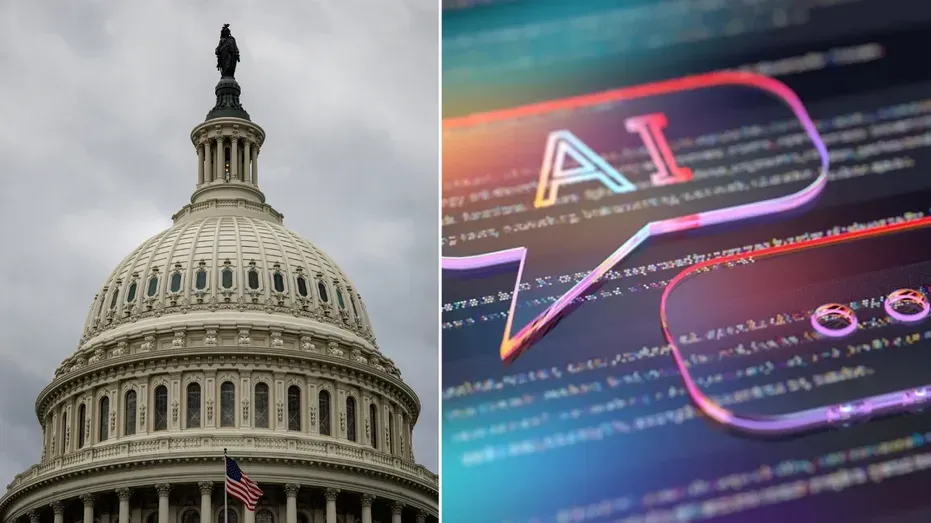
The White House is pressing for national AI rules in a move that could limit how far states can go with their own technology laws. The argument had become familiar: one federal standard, officials say, would be easier for companies to follow than a patchwork of state requirements. The fight is not only about artificial intelligence. It is about who gets to govern a technology that touches hiring, education, health care, policing, finance and creative work. States wanted room to respond quickly; federal officials wanted consistency.
A Patchwork Problem for Companies
Technology firms argue that conflicting state laws can create compliance burdens that favor large incumbents. A startup may not have the legal budget to adjust disclosures, audits or liability rules in every state where its product is used. That argument has force, but it is also self-serving. Companies often prefer a single national rule because it can be easier to shape in Washington than fifty separate fights across state capitals.
States Want Their Own Guardrails
State lawmakers see the issue differently. They argue that federal policy often moves slowly, while AI harms can appear quickly in schools, workplaces and public services. If states are blocked from acting, citizens may have fewer near-term protections. AI regulation therefore becomes a federalism test. The same country that lets states set different rules on privacy, employment and consumer protection is now debating whether AI is too national to govern locally.
The Civil Rights Question
One of the hardest issues is bias. Automated systems can affect loan approvals, job screening and public-benefit access. State officials may want stronger audit rules when local communities report harm, while federal officials may prefer broader principles. A weak national standard could preempt tougher local protections. A strong one could reduce confusion while still giving states enforcement roles. The details matter more than the slogan of national uniformity.
Innovation Needs Trust
AI companies also have an interest in credible rules. If users believe systems are opaque, unsafe or unfair, adoption slows. The question is whether national rules build trust or simply shield companies from stricter oversight. The point is that the United States is trying to regulate AI before the institutional map is settled. Whoever wins the state-versus-federal fight will shape not only compliance costs, but the public's confidence in the technology. The education sector shows why the fight is concrete. A state may want rules for AI tutors, grading tools or student-data use that reflect local priorities. A federal preemption rule could prevent those experiments even when schools are asking for faster guardrails.
Health care raises a similar problem. AI systems that support diagnosis or triage can create different risks in rural hospitals, urban emergency rooms and insurance review. A national baseline may help, but local regulators may still need authority to respond to specific harms. Civil-rights enforcement is another pressure point. If algorithmic systems produce discriminatory outcomes, affected communities often turn first to state attorneys general or local agencies. Removing that path could make accountability slower.
Still, federal coordination has real value. Companies need predictable definitions for high-risk systems, audit requirements and transparency duties. Without that, compliance can become a paperwork maze that helps lawyers more than users. The best outcome would not be total federal control or total state fragmentation. It would be a national floor that sets clear protections while allowing states to go further when they can show a specific local need. AI governance will shape public trust before many consumers understand the technical details. If the rules look like a shield for industry, suspicion will grow. If they create credible accountability without freezing innovation, adoption becomes easier to defend.
Labor policy will be another front. Employers are already experimenting with AI tools for screening, scheduling, productivity scoring and workplace surveillance. States may want strict notice and appeal rights, while companies may lobby for a national rule that limits local variation. Creative industries add pressure from a different direction. Artists, writers and musicians want rules around training data, likeness and compensation. A national framework that ignores those concerns could deepen the backlash against generative tools.
The federal government also has procurement power. If Washington sets strong standards for the AI systems it buys, those standards can influence the market without fully preempting states. That may be a more flexible lever than forcing every dispute into one law. The hard part is timing. Move too slowly and harmful systems become entrenched. Move too broadly and regulation may freeze useful applications before agencies understand them. That is why the design of the national rule matters more than the headline.
AI regulation is becoming a legitimacy contest. Companies want freedom to build; states want authority to protect; federal officials want coherence. The public wants systems that do not quietly decide important parts of life without explanation or appeal.
National security arguments will further complicate the debate. Federal officials may say that AI rules need alignment with defense, export controls and competition with China. State officials may answer that national-security language should not be used to block consumer protection. The hardest version of the fight will come when both sides are partly right: the technology is nationally strategic, and it still affects people through local schools, hospitals, workplaces and courts.
The next phase will likely turn on preemption language. If Congress or federal agencies block states too aggressively, the debate will become a fight over democratic accountability. If they leave too much open, companies will complain that the national framework failed to solve the patchwork problem it was designed to address.