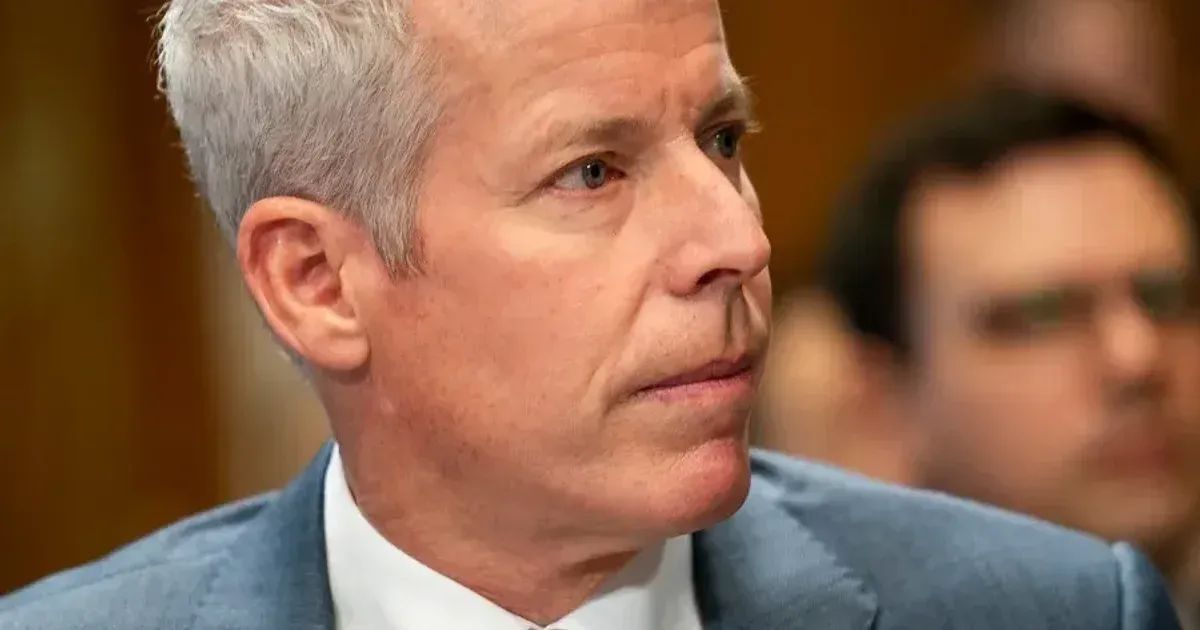
Energy Secretary Chris Wright has tied U.S. gasoline relief to a shipping deal with Iran, warning that prices may remain elevated until maritime risk eases. Wright said motorists should not expect prices below $3 per gallon until at least next year if the Middle East blockade continues to distort energy flows. The statement gives consumers a clear link between foreign policy and the cost of commuting. On April 19, 2026, it made fuel prices a direct measure of diplomatic progress.
The warning is politically risky because it gives consumers a clear benchmark. If prices stay high, the administration cannot easily blame only markets; it has already linked relief to a specific foreign-policy outcome.
Chris Wright is framing energy affordability as a maritime security problem.
Shipping Risk Drives Prices
Oil prices rise when traders believe supply routes are dangerous, even before barrels disappear from the market. Insurance costs, tanker delays and rerouting can all feed into crude prices and then into gasoline.
A diplomatic deal with Iran could reduce that risk premium if it gives shippers confidence that lanes will remain open. Without that confidence, markets may keep pricing worst-case scenarios.
The difficulty is timing. Gasoline prices do not fall instantly when diplomacy improves. Retail prices move through crude contracts, refinery costs, inventories and local competition.
Consumers Want a Faster Answer
For households, the distinction between crude markets and pump prices may feel academic. Drivers see the number at the station and connect it to weekly budgets.
Gas price relief has become one of the most visible ways Americans experience the Iran conflict, even if the fighting is far away.
That visibility gives the issue political force. Fuel prices can shape views of inflation, wages and the administration's competence faster than many broader economic indicators.
Diplomacy Becomes Economic Policy
Wright's comments show how energy diplomacy has moved into domestic economic management. A shipping agreement is no longer only a security matter; it is part of the inflation strategy.
If talks succeed, the administration may claim credit for stabilizing both the Gulf and household costs. If talks fail, the same linkage could make high prices look like a diplomatic failure.
The central problem is that fuel markets do not wait for political narratives. They price risk immediately, and they will keep doing so until shippers believe the danger has changed.
Relief Depends on Credible Security
A shipping deal cannot be symbolic if markets are to believe it. Tanker operators and insurers need practical assurances that routes will remain open, crews will be protected and retaliation risks will not return after a single announcement.
That means any diplomatic text must be matched by behavior at sea. If harassment, seizures or missile threats continue, traders will keep the risk premium even if officials describe progress.
Wright's forecast also puts pressure on domestic energy policy. The administration can encourage production, manage reserves and streamline logistics, but those steps may not fully offset a geopolitical premium.
That link narrows the political room for blaming prices on market forces alone. By naming Iran shipping as the obstacle, Wright reduces the room for vague explanations. Consumers will hear that gasoline relief depends on a deal, then judge the administration by whether that deal arrives. Opponents may use the same statement to argue that foreign policy has made everyday costs worse. Supporters may argue that the administration is being honest about the source of pressure. Either way, the message raises the stakes. If prices fall, the White House can claim diplomacy helped households. If they do not, the fuel market becomes a standing reminder of unresolved conflict. That is why Wright's comments matter beyond one interview. They turn energy diplomacy into a promise drivers can measure every week. Refiners will be watching more than diplomatic statements. They need reliable cargo timing, insurance confidence and a sense that future disruptions will not force sudden changes in supply planning. That is why Wright's timeline extends into next year. Even if the diplomatic picture improves, contracts and inventories take time to adjust. Pump prices can lag behind the headline event that changes market sentiment. The administration may try to soften the message by pointing to other tools, including domestic production and reserve management. Those tools matter, but they work alongside global crude markets rather than replacing them. For voters, the situation is simpler. If gas stays expensive, the explanation will be judged by whether it sounds like accountability or excuse-making. Wright has effectively placed a foreign-policy milestone on the household budget calendar. That may be honest, but it is also politically unforgiving. The market will also watch whether Iran's commitments, if any, are verifiable at sea. Announced restraint is less valuable than consistent tanker movement, lower insurance costs and fewer emergency reroutes. Wright's comments suggest that the administration understands the pump-price problem cannot be solved only with domestic messaging. Consumers may not follow maritime law, but they understand when fuel stays expensive. That makes the shipping negotiations unusually visible. A technical arrangement over lanes, inspections or guarantees could become the policy that determines whether families see relief at gas stations. The risk for the administration is that energy markets can move against it even when diplomacy appears active. If traders doubt enforcement or fear escalation, prices can remain high despite official optimism. In that sense, Wright has set a demanding standard. The deal must not only be announced; it must be believed by the market. The shipping question also affects expectations for the broader economy. Higher fuel prices can keep inflation sticky, complicate central-bank decisions and reduce the political benefit of other economic gains. Wright's warning therefore functions as forward guidance for households and markets. It tells them that fuel relief depends on security conditions, not only domestic supply or refinery operations. That may be accurate, but it places enormous weight on diplomacy with Iran. A shipping deal would need to be credible enough to lower insurance costs, normalize tanker schedules and convince traders that disruption risk has truly declined. If those pieces do not move together, prices may stay elevated even after officials announce progress.