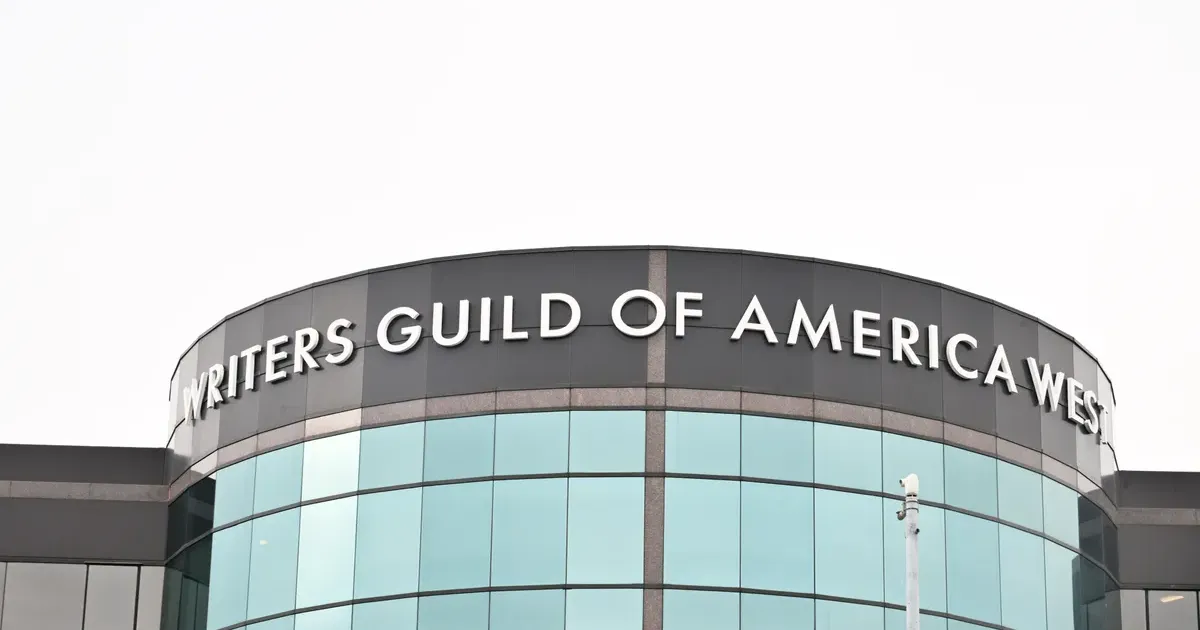
On April 4, 2026, Writers Guild of America negotiators finalized a provisional contract, catching industry observers by surprise as talks concluded weeks before the current agreement was set to expire. Saturday morning deliberations with the Alliance of Motion Picture and Television Producers yielded a tentative agreement that will govern television and film production for the next four years. Labor representatives and studio executives avoided the protracted public friction that defined previous negotiation cycles, signaling a shift in how Hollywood manages its periodic labor disputes. Early reports indicate the deal focuses heavily on long-term financial stability for the guild membership.
Negotiations typically extend into the final hours of a contract or spill over into strikes, yet this cycle concluded with unusual efficiency. The deal arrived nearly a month ahead of the deadline. Studios appeared eager to secure labor peace to protect their 2026 and 2027 production slates. This early resolution prevents the work stoppages that crippled the industry during previous decades.
Industry analysts point to the 2023 strike as a catalyst for the current cooperative atmosphere. Neither side possessed the appetite for another multi-month blackout that would drain studio coffers and writer bank accounts alike. Producers entered the room with a directive to find middle ground quickly. Writers prioritized concrete protections against emerging technological threats and the preservation of their safety nets. Labor leaders secured major gains on both fronts.
Hollywood Pension and Health Plan Expansion
Health benefits and retirement security formed the foundation of the Writers Guild of America demands. The new agreement provides large increases to employer contributions for the guild health plan and pension fund. While Variety noted the shift to a four-year term, the Hollywood Reporter confirmed that these fiscal gains are locked in for the duration of the cycle. Inflationary pressures on medical costs required a higher baseline for studio contributions to keep the plan solvent. Studios agreed to these terms to ensure their core creative workforce remains physically and financially viable.
Pension funding has been a point of contention since the streaming era disrupted traditional residual flows. Revenue from digital distribution now accounts for the majority of studio income, yet the old formulas failed to capture the full value of these hits for the pension system. AMPTP member companies conceded to a revised formula that ties pension contributions more closely to streaming performance metrics. This change provides a more predictable revenue stream for the fund as traditional cable television continues its decline.
Member feedback during the 2025 outreach sessions highlighted healthcare as a non-negotiable priority. Young writers, in particular, sought better mental health coverage and maternity benefits. Older members focused on the preservation of the defined-benefit pension structure. The finalized document addresses these generational concerns through tiered contribution increases over the 48-month period.
Artificial Intelligence Training Safeguards
Machine learning protections became the most complex technical hurdle during the March sessions. AMPTP negotiators initially sought to maintain broad rights regarding how scripts are used to train large language models. The guild, however, insisted on a framework that prevents writers' intellectual property from being ingested by AI systems without specific compensation or consent. Protecting human-driven storytelling was a central foundation of the WGA platform. Language within the tentative deal prohibits studios from using WGA-covered material to train proprietary AI tools unless the writer enters into a separate, lucrative licensing agreement. This builds upon the basic protections established in 2023. Writers now possess explicit veto power over the digital replication of their narrative structures. Sources close to the bargaining table said the four-year term was partly motivated by the need for a longer window to observe how AI technology matures before the next round of talks.
The provisional agreement, reached after less than a month of negotiations, boasts health plan and pension increases and protection against writers' work being used for AI training. Guarding against unauthorized data scraping ensures that the creative labor of the past remains the property of the creator. Writers expressed concern that their earlier scripts were being used to generate derivative works that would eventually compete with them for jobs. The new contract closes these loopholes by defining "training data" as a protected category of work product. The legal barrier creates a moat around the screenwriting profession.
Extending the contract to a four-year term is a departure from the traditional three-year cycle that has dominated Hollywood labor relations for decades. The change offers a longer window of production certainty for companies like Disney, Netflix, and Warner Bros. Discovery. Analysts at major banks have long complained that the three-year cycle created too much volatility for stock prices. A longer contract provides a stable environment for capital investment in new content. Labor experts suggest that the extra year gives the WGA more time to build its strike fund for future confrontations. It also aligns the guild's expiration dates with several other major craft unions, potentially creating more leverage in 2030. Studios likely traded the higher healthcare costs for this extended period of peace. Both parties appear to have traded immediate concessions for long-term predictability. A four-year window allows for a complete production cycle from development to release without the threat of a mid-project strike.
Streaming platforms will benefit most from this stability as they transition toward ad-supported models. Predictable labor costs allow for more accurate budgeting of multi-season episodic content. Writers also benefit from longer-term stability in their benefits eligibility. A four-year term ensures that the substantial gains in health and pension contributions have time to compound. Studios will now turn their attention to the upcoming negotiations with the actors and directors.
Writers Guild Deal Brings Labor Stability
The four-year deal gives studios and writers a period of labor stability after years of disruption. The agreement will be judged by how well it handles streaming pay, staffing rules and AI protections.