The New York Times puzzle suite keeps its daily audience by making small wins feel repeatable. The daily habit matters because puzzle pages create repeat visits without requiring a full news session. That gives the product value even when the user only spends a few minutes with it. On March 29, 2026, players moved through Wordle, Strands and Pips with the same mix of routine, hint hunting and social comparison that has turned short games into a durable media habit.
Wordle remained the anchor because it offers the clearest ritual. A five-letter answer, six attempts and a shareable result give the game a structure that is simple enough for casual players but still demanding for streak chasers. The pressure comes from choosing guesses that test vowels, consonant placement and possible double letters without wasting a turn. That design is why the puzzle keeps traveling beyond the app. Players do not need a long session to feel invested; they need one smart opening word and a few disciplined follow-up guesses. The game rewards calm elimination more than speed.
Strands Adds a Theme Layer
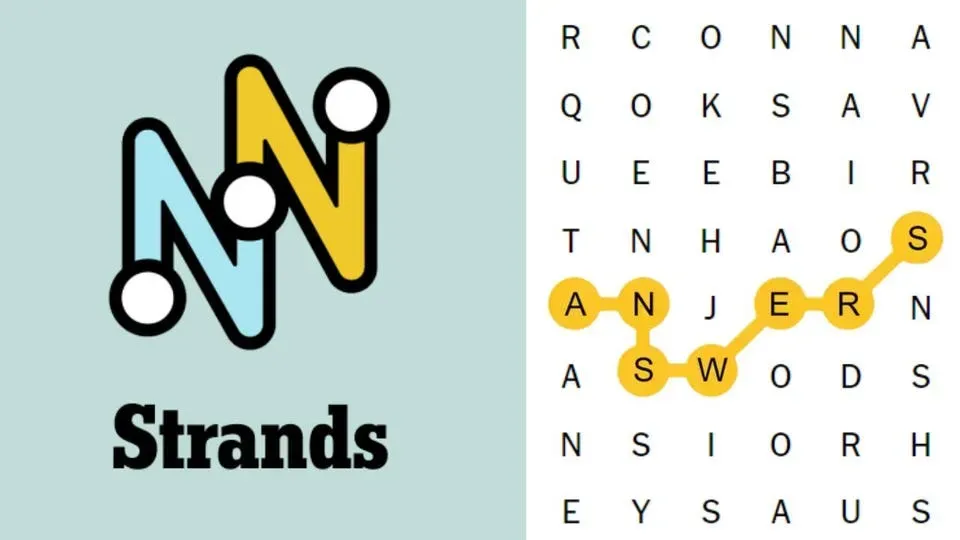
Strands asks for a different kind of attention. Instead of narrowing one answer, players search a letter grid for related words that fit a theme. The March 29 puzzle used a food-centered clue, which made the challenge less about rare vocabulary and more about spotting the right category quickly.
The Spangram remains the most important turn in that format. Finding it can reveal the puzzle's structure and make the remaining answers easier to see. Missing it leaves players scanning the grid without a clear map.
Pips rounds out the suite by shifting the work from language to visual logic. Domino-style matching forces players to think about number patterns, placement and sequence. That gives the NYT games portfolio a broader rhythm than a set of word puzzles alone.
Why the Habit Matters
The larger business point is that these games create a daily reason to open a news product even when a reader is not starting with the front page. The engagement is brief, but it is consistent. For a subscription publisher, that kind of repeat visit has real value. The risk is overstating what the games represent. They are not substitutes for journalism, and a daily streak is not a measure of civic engagement. Their importance is more practical: they give the New York Times a low-friction habit loop that many readers treat as part of the morning.
That is why sharp focus matters. The product succeeds when each puzzle feels compact, fair and satisfying enough to bring players back the next day.
The strongest version of the product is therefore editorially restrained. Hints should help without making answers feel pre-solved, and recaps should explain the solving logic rather than simply list results. That is especially true for Strands and Pips, where the best guidance teaches pattern recognition that can carry into the next puzzle. The broader NYT advantage is not one spectacular game; it is a ladder of small challenges that lets a player stop after five minutes or stay longer without feeling pushed. That balance is difficult to copy because it depends on consistent puzzle editing as much as interface design. A weak day can break a streak, but a fair hard day often strengthens the habit. Editors also have to protect the experience from the temptation to over-explain. A puzzle page works best when the user still feels responsible for the solve, and that is why careful hint writing matters. Too much assistance turns the daily ritual into an answer key; too little makes the game feel arbitrary. The same principle applies to coverage of the puzzles and the broader New York Times puzzle strategy. Readers usually want a nudge, a confirmation of the theme or an explanation of the logic behind a difficult answer. They do not need the games inflated into a cultural thesis every morning. The durable point is simpler: NYT has built a product where small, well-edited constraints create loyalty. That makes the puzzles commercially useful, but it also makes editorial discipline central to keeping the habit pleasant rather than manipulative. The guide works best when it stays useful and narrow: explaining how the games are played, why the habit works and where the business value sits, then stopping before a light puzzle roundup becomes artificial weight. The goal is a smarter daily guide, not a heavier one.