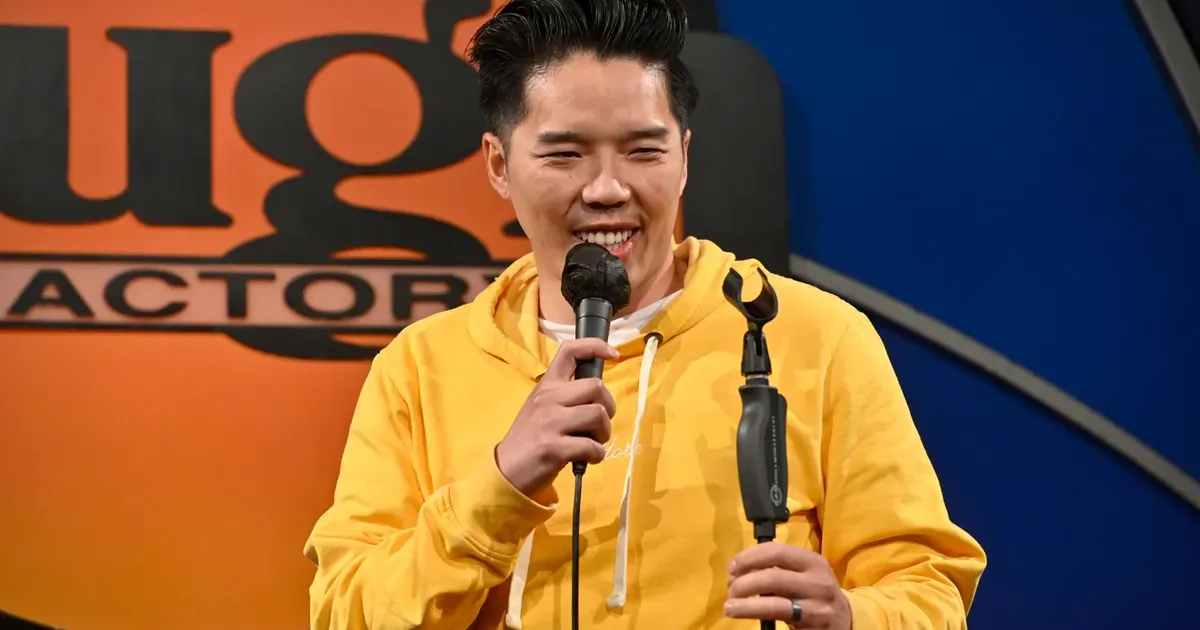
Alex Duong's death drew attention to the working middle of the entertainment industry. Alex Duong, the comedian and actor known for his work on the CBS drama Blue Bloods, died in a Los Angeles hospital on March 30, 2026. Representatives confirmed his passing following a prolonged battle with Alveolar Soft Part Sarcoma, a rare and aggressive form of cancer. Duong was 42 years old at the time of his death. Friends and family members had previously organized a fundraising campaign in February 2025 to assist with escalating medical costs. Variety first reported the news after the family updated his public memorial page. Surviving as a working artist in Hollywood often requires balancing multiple creative disciplines. Duong maintained a consistent presence in the local comedy scene while pursuing television roles that eventually led him to major network productions. His death marks a serious loss for the tight-knit community of performers who frequent the historic comedy clubs of the Sunset Strip. Support poured in from fellow comedians who remembered him for his tenacity and sharp wit. Medical records indicate that he fought the disease for over a year before succumbing to complications.
Alveolar Soft Part Sarcoma remains one of the least understood malignancies in modern oncology. It primarily targets young adults and accounts for less than one percent of all soft tissue sarcomas. Doctors often struggle to treat this specific variant because it frequently spreads to the lungs and brain before a diagnosis is even reached. Duong spoke openly about the physical toll of his treatments during the final months of his life. Clinical data shows that the five-year survival rate for patients with metastatic ASPS is historically low. His fight highlighted the difficulties patients face when dealing with such an obscure condition.
Comedy Store Regular Faces Rare Cancer Battle
Hollywood residents often recognized Duong from his frequent sets at the Comedy Store and the Hollywood Imprint. Aspiring comics viewed him as a staple of the local circuit who had successfully made the jump from open mics to professional guest spots. Stand-up comedy provided him with a platform to share his unique perspective as an Asian-American man navigating the entertainment industry. Many of his routines centered on the ironies of his daily life and the absurdities of the casting process. He spent over a decade honing his craft in dimly lit clubs across Southern California. Talent scouts eventually took notice of his stage presence and timing.
"Alex was the kind of person who could walk into a room and instantly make everyone feel like they were his best friend," stated the family on his GoFundMe page.
Rare cancers like these leave little room for error. Patients often require highly specialized care that is not always available at local medical centers. Duong sought treatment from some of the leading specialists in California, yet the costs of experimental therapies and long-term hospital stays quickly drained his personal savings. Private donations became a necessary lifeline for the actor during his final year. Crowdfunding platforms have increasingly filled the gap left by a healthcare system that struggles to provide for those with catastrophic, long-term illnesses. He reached his initial fundraising goals thanks to the generosity of his fans and colleagues.
Blue Bloods Guest Role Marks Career Peak Securing a role on a major procedural drama like Blue Bloods is a high point for any television actor. Duong appeared in the series as a guest star, contributing to the show's reputation for featuring diverse and capable character actors. Production teams on the CBS set described him as a professional who arrived prepared and elevated the material. Guest spots on long-running series provide essential health insurance credits for members of the Screen Actors Guild. Performance credits such as these are the currency of a successful career in the television capital of the world. He treated every small role with the same intensity as a lead performance.
Procedural dramas require a revolving door of talent to populate their various investigative arcs. Duong fit the mold of a reliable performer who could handle complex dialogue under tight shooting schedules. Casting directors often turned to him when they needed a grounded, authentic performance for high-stakes scenes. His appearance on the show was a point of pride for his family and his local comedy community. Although his screen time was limited, the impact of his work connected with viewers who followed his career progression. Work on such a high-profile series often opens doors to future opportunities that were previously out of reach.
Actors in his position often rely on these roles to maintain their union eligibility. SAG-AFTRA health plans require members to earn a specific amount annually to qualify for thorough coverage. Chronic illness complicates this cycle by making it nearly impossible for the performer to work enough hours to maintain their benefits. Duong faced this exact dilemma as his cancer progressed. He could no longer stand on a set for twelve hours a day while undergoing heavy rounds of chemotherapy. This financial trap is a common reality for many in the creative arts.
Financial Strain of Chronic Illness in Hollywood
Financial stability is often an illusion for even the most recognizable character actors. Most performers live from paycheck to paycheck, depending on residuals and the next booking to cover basic living expenses. When a health crisis strikes, the lack of a traditional safety net becomes immediately apparent. Duong's reliance on public donations was not an isolated incident in the entertainment world. Similar campaigns are launched weekly for artists who find themselves unable to cover the high deductibles and out-of-network costs associated with rare diseases. High-cost prescriptions and home health care services are rarely covered in their entirety by standard union plans.
Entertainment industry professionals often lack the disability insurance that corporate employees take for granted. Writers, actors, and directors are frequently classified as independent contractors for tax purposes. This classification limits their access to traditional employer-sponsored benefits. Duong navigated this complex landscape for years before his diagnosis. He balanced his creative pursuits with the mundane realities of rent in one of the most expensive cities in the United States. His story is data point in the ongoing debate about how to better protect the freelance workforce. Advocates for healthcare reform often cite cases like his to argue for stronger support systems.
Insurance premiums for high-risk individuals can be prohibitively expensive. Even with union support, the out-of-pocket maximums can reach five figures in a single calendar year. Duong was forced to choose between his career and his health on several occasions. Many of his peers noted that he remained optimistic even when the financial burden seemed overwhelming. Performers like him are often the backbone of the television industry, yet they receive the least amount of long-term protection. The community response to his GoFundMe campaign showed a deep level of collective empathy for his situation.
Legacy of Alex Duong in Asian-American Comedy
Representation within the comedy world has changed sharply since Duong first stepped onto a stage. He was part of a generation of Asian-American performers who refused to be pigeonholed into stereotypical roles. His comedy was personal, observational, and openly honest. He mentored younger comics who were just beginning their journeys in the Los Angeles scene. Success for Duong was measured not just by his IMDB credits but by the respect of his peers. He paved the way for others to speak their truths without fear of being misunderstood by mainstream audiences. His absence leaves a void in the nightly lineups of several storied venues.
Asian-American comics have historically faced barriers to entry at major television networks. Duong helped break these barriers by consistently delivering high-quality performances in both comedic and dramatic settings. He proved that versatility was the key to longevity in a fickle industry. Colleagues often cited his work ethic as the reason he was able to maintain a career for over two decades. He never lost his passion for the craft, even when he was physically weakened by his illness. His influence will persist through the work of the many comedians he coached and inspired. Every joke he told was a small act of defiance against the odds stacked against him. Comedy clubs across the West Coast dimmed their lights in his honor. This simple gesture reflected the deep impact he had on the people he worked with every night. He was more than a name on a marquee; he was a fixture of the Hollywood creative ecosystem. Performers gathered at local hangouts to share stories about his kindness and his ability to find humor in the darkest of situations. His death at 42 is a reminder of the fragility of the human condition and the enduring power of laughter. Duong's body of work continues to be available for new audiences to discover on various streaming platforms. His final performances remain evidence of his dedication to the art form.
Gig Economy Safety Net
Why do we accept a reality where a guest star on a major network drama must rely on the charity of strangers to survive a medical crisis? The death of Alex Duong is not merely a tragedy of biology; it is a systemic indictment of the entertainment industry's hollowed-out middle class. The picture emerging is a tier of reliable, talented professionals being squeezed between rising urban living costs and a healthcare system that treats rare diseases as a financial liability rather than a human emergency. If a performer with credits on a hit series like Blue Bloods cannot afford his own survival, the union safety nets we praise are clearly failing their most vulnerable members.
The industry likes to promote its inclusivity and its progressive values, but it remains strikingly cold toward the individuals who provide its texture. Crowdfunding has become the unofficial health plan of the gig economy, a Band-Aid on a gash that requires surgery. Duong fought a rare cancer with a level of dignity that his industry rarely mirrors in its business practices. We must stop viewing these GoFundMe campaigns as heart-warming stories of community support and start seeing them for what they are: evidence of a broken pact between the guilds and the talent. The applause has stopped, the lights have dimmed, and the bill has come due. The gap between public applause and private precarity is now impossible to ignore.