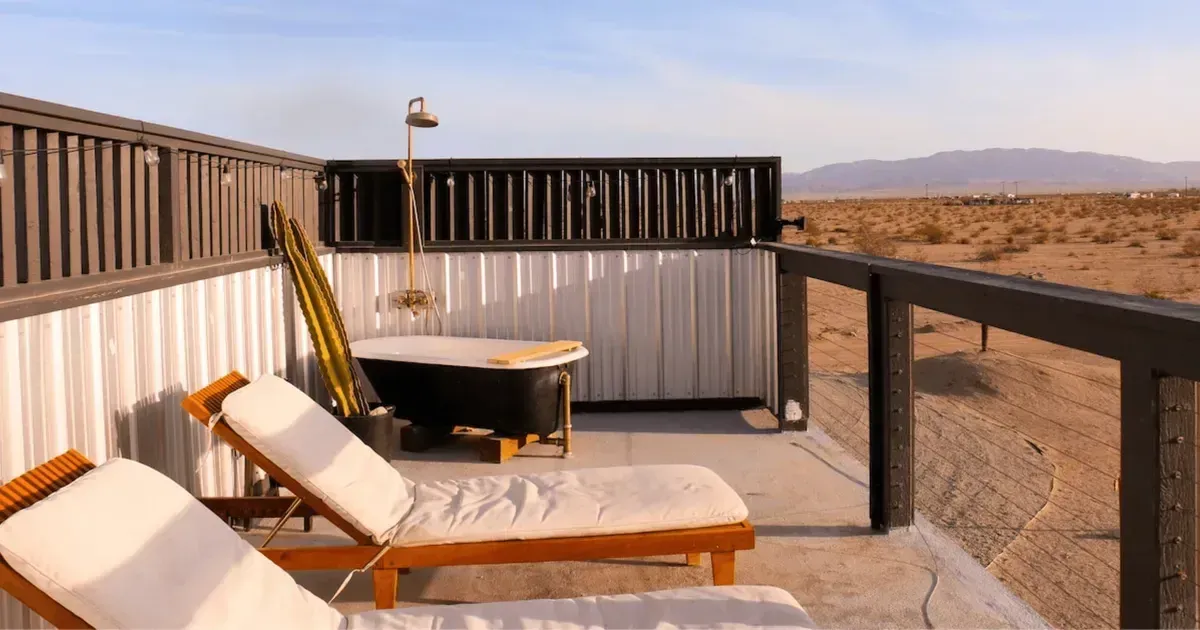
Snow blankets the heavy cedar beams of a cabin in the Catskill Mountains as steam rises from a churning outdoor tub. Airbnb listings featuring private hot tubs have become the primary driver for luxury short-term rental bookings in early 2026. Travelers seeking total seclusion are bypassing traditional hotel suites in favor of remote properties that offer spa-level amenities. Data from market intelligence firms indicates that a hot tub is no longer a luxury addition but a baseline requirement for high-end rural rentals. Market analysts note that properties without these facilities see a sharp drop in winter occupancy rates across Northern states. Property owners are responding by investing heavily in outdoor infrastructure. The cost of a commercial-grade hot tub installation now ranges between $10,000 and $25,000 depending on the terrain and electrical requirements. For a host in a competitive market like Joshua Tree or the Pacific Northwest, this capital expenditure often pays for itself within two seasons. High-end rentals with these amenities can command a premium of 30 to 50 percent over nearby listings that offer only standard indoor comforts. Consumers are increasingly willing to pay for the illusion of total isolation if it comes with the physical comfort of a heated soak.
Hot Tubs Lift Rental Demand
Lush woodlands in Oregon and Washington have seen the highest density of new hot-tub-equipped listings over the last twelve months. These forest stays prioritize privacy, often positioning the tub on cantilevered decks that overlook steep ravines or dense pine groves. Guests are looking for a specific aesthetic that blends rugged nature with modern convenience. This preference has forced hosts to move away from plastic, prefabricated units in favor of cedar-lined soaking tubs or custom concrete designs. The visual appeal of these installations drives social media engagement, which remains a primary discovery tool for young travelers. Appalachian mountain cabins have also pivoted to meet this demand. In regions like the Great Smoky Mountains, the presence of a hot tub is the single most searched filter on the platform. Property managers report that guests frequently mention the tub as the deciding factor in their booking journey. These mountain stays often integrate the tub into a covered porch to allow for use during rain or heavy snowfall. Reliability is a major concern for these remote operators. A single mechanical failure during a weekend stay often results in a full refund request from the guest.
Hot tubs are the ultimate conversion tool for rural properties because they provide a year-round activity that is entirely weather-independent.
Maintenance costs for these amenities are rising as energy prices fluctuate. Heating a 400-gallon tub in sub-zero temperatures requires a constant draw of electricity that can add hundreds of dollars to a monthly utility bill. Some hosts in the Northeast have begun adding a separate heating fee to their listings to offset these expenses. But the market has shown little resistance to these added costs. Guests perceive the hot tub as a central part of the experience rather than a peripheral luxury. The logistical challenges of keeping these units sanitary in remote areas are mounting.
Rural Luxury Depends on Amenities
Arid regions like California and Arizona present a different set of challenges for the hot tub rental market. In the High Desert, water scarcity has become a point of contention between short-term rental operators and local conservation groups. Evaporation rates in the desert can lead to significant water loss, requiring frequent refilling of the tubs. Some municipalities have considered ordinances that would limit or tax the use of high-volume water features in residential zones.
Safety Rules Follow the Boom
Sanitation protocols have become a major point of scrutiny for the industry.
Insurance companies are reacting by increasing premiums for hosts with water features. Some providers now require proof of professional maintenance contracts before they will issue a policy. The added layer of bureaucracy is squeezing the margins of smaller, independent hosts. Larger management companies are better equipped to handle these requirements through scaled maintenance teams. They often employ dedicated technicians who do nothing but service tubs across a portfolio of properties. The professionalism is becoming a competitive advantage in a crowded market.
Structural integrity is another concern for older properties retrofitting these heavy amenities. A standard six-person hot tub can weigh over 5,000 pounds when filled with water and people. Many decks were never designed to handle such a concentrated load. Municipal inspectors are increasingly requiring structural engineering reports for any hot tub installation on an elevated surface. The requirement has slowed the pace of new listings in some historic mountain towns. Even the demand for these features shows no signs of waning among high-net-worth travelers.
Diversification of amenities is the current strategy for top-tier hosts. While the hot tub remains the king of the rental market, it is now being paired with cold plunges, saunas, and outdoor showers. The suite of wellness tools creates a private spa experience that justifies nightly rates exceeding $1,000. Investors are looking for properties that have the footprint to accommodate these multiple installations. The goal is to create a self-contained resort where the guest has no reason to leave the property during their stay. The trend toward ultra-isolated luxury is a direct response to the crowding of traditional vacation destinations.
Market saturation is a looming risk in certain oversaturated hubs. In areas where every third listing has a hot tub, the amenity no longer provides a competitive edge. It simply becomes a cost of doing business. Sophisticated investors are now looking for under-served markets where they can introduce these luxury features for the first time. They are targeting rural areas within a three-hour drive of major metro centers like New York, Chicago, and San Francisco. The geographic strategy targets the weekend getaway crowd that is looking for a quick escape without the hassle of air travel. Long-term profitability depends on the ability to manage the lifecycle of these mechanical systems. Most residential-grade tubs have a lifespan of five to seven years under heavy rental use. Smart operators are building a $1.2 billion replacement fund into their five-year business plans. They also prioritize brands that offer strong warranties and easy access to replacement parts. Amateur hosts often find themselves out of commission for weeks when a pump or heater fails. Professionalization is the inevitable endpoint for this segment of the travel industry.
Luxury Rentals Sell Year-Round Use
Why do we feel the need to boil ourselves in chemically treated water to find peace? The current obsession with the short-term rental hot tub is a cynical commodification of the human need for silence and restoration. We have reached a point where nature alone is insufficient. It must be mediated through a $20,000 fiberglass shell and a jet of heated water before it is considered a legitimate escape. The trend reveals a deep-seated anxiety in the modern traveler who cannot simply sit in a forest but must be submerged in a controlled environment to feel safe. We are paying for the illusion of ruggedness while clinging to the most decadent of suburban comforts. The environmental cost of heating these tubs in the desert or during a blizzard is a secondary concern to the aesthetic demands of a social media feed. As the market becomes saturated with these plastic oases, the value of true, unmediated experience will only continue to decline. The issue is the transformation of the wilderness into a series of highly selected, temperature-controlled outdoor living rooms.
If you cannot find peace without a 104-degree soaking tub, perhaps the problem is not your location but your inability to exist in the world as it is.