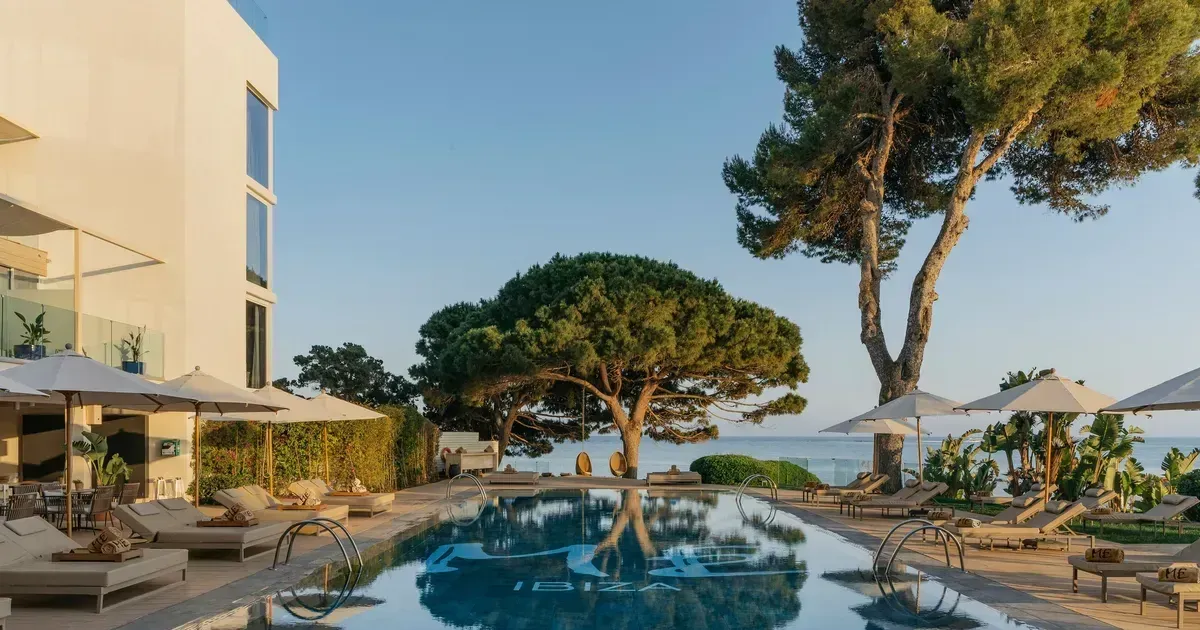
Sultry Balearic breezes sweep through the pine-scented hills of the northern coast while deep bass echoes from the southern beach clubs. This duality defines the current hospitality market on the island of Ibiza. Private villas and boutique boltholes have seen record booking numbers for the 2026 season. But the established players are not ceding ground without a fight. Ibiza hotels are repositioning around balance as the infrastructure of the island strains under the pressure of this upscale transition. Water management and waste disposal remain critical issues for the local government. The allure of the white island continues to pull in the global elite who seek both anonymity and visibility in equal measure. Ibiza has successfully rebranded itself from a rave destination to a complex sanctuary. Situated on the outskirts of Santa Eulalia, the beachfront resort known as ME Ibiza provides a specific template for the modern Balearic experience. The property emphasizes a smooth transition between daylight relaxation and evening social clusters. Rooftop pools offer 360-degree views of the Mediterranean while maintaining a sense of privacy from the public beaches below. Most guests here are looking for a curated atmosphere where the music volume stays controlled rather than deafening. This approach has allowed the hotel to maintain high occupancy rates even during the shoulder seasons. Architectural choices at the property lean heavily into the minimalist aesthetic. White stone surfaces and floor-to-ceiling glass dominate the structural design. Natural light is used as a primary building material to blur the lines between indoor and outdoor spaces. But the true appeal lies in the service logistics. Staff members are trained to anticipate needs before they are voiced by the clientele. Many repeat visitors cite the personalized attention as the reason for their loyalty to the brand. The hotel has one of the highest guest retention rates in the Balearic Islands. The integration of local art and music also helps ground the property in its particular geographic context. Ibiza has become a tiered society where the price of silence often exceeds the cost of a VIP table at the world's most famous nightclubs. Nightly rates at top-tier properties frequently exceed $1,400 during the peak months of July and August. Demand remains inelastic despite these price points.
Ibiza Luxury Moves Toward Quiet
Talamanca Bay is a buffer between the frantic energy of the main port and the residential calm of the interior. Here, the Nobu Hotel Ibiza Bay has carved out a niche for guests who prioritize culinary excellence alongside a vibrant pool scene. Two distinct swimming areas allow families and party-goers to coexist without friction. Such zoning is a growing trend among the island's most expensive resorts. By creating dedicated spaces for different demographics, the hotel maximizes its market reach. Guests can spend their morning in a sprawling spa and their evening dining on world-class sushi before heading into the nearby Pacha nightclub. This proximity to the action without being immersed in it is a key selling point for the property. Management focuses on a laid-back luxury vibe that avoids the stiff formality found in some mainland European hotels. Sustainability has also become a focal point for the Talamanca hospitality cluster. New regulations require hotels to reduce plastic waste and improve energy consumption. Nobu and its neighbors have invested in advanced filtration systems and solar arrays to meet these targets. The hotel has managed to lower its carbon footprint while increasing its service capacity. Travelers in the luxury segment are increasingly sensitive to the environmental impact of their stays. Meeting these expectations is no longer optional for brands that wish to remain competitive. Yet the primary draw remains the social atmosphere.
Hotels Sell Balance Over Excess
Moving away from the southern hubs reveals a different side of the island's hospitality evolution. The northern coast has become the epicenter for wellness-focused luxury. Six Senses Ibiza stands as the most prominent example of this turn toward ecological and spiritual retreat. Tucked into the rugged cliffs of Xarraca Bay, the resort focuses on longevity programs and immersive nature experiences. Guests often arrive seeking a total reset after days of socializing in the southern clubs. The north-south circuit is a staple of the modern Ibiza itinerary. But the north is not purely about silence. Even here, the late-night fun persists in the form of intimate live music sessions and farm-to-table dining events. The resort operates its own organic farm to supply its kitchens.
Revenue in the wellness sector has outpaced traditional leisure growth over the last three years. The northern resorts attract a slightly older and more affluent demographic than the beach clubs of Playa d'en Bossa. These travelers often stay for longer periods and spend more on auxiliary services like private guides and specialized health treatments. Some villas in the San Juan area now rent for six-figure sums per week. Wealthy families are increasingly choosing these secluded estates over more visible hotels. Privacy is the ultimate currency in this segment of the market. Security teams and private chefs are standard inclusions for these high-stakes rentals. The north remains the last frontier for those seeking the original spirit of the island.
In the heart of the city, boutique hotels are reimagining the urban travel experience. The Standard Ibiza has successfully captured the attention of a younger, design-conscious crowd. Located near the Vara de Rey, the hotel offers a rooftop pool that overlooks the historic Dalt Vila. The location provides a gateway to the town's best boutiques and independent restaurants. Unlike the sprawling beach resorts, these urban hotels focus on a fast-paced and culturally dense experience. Guests are often just steps away from the island's most iconic landmarks.
The Standard avoids the cliches of Balearic decor in favor of a 1970s retro-chic aesthetic. The design choice connects with travelers who find the all-white minimalism of other hotels repetitive. The property has become a social hub for locals and visitors alike.
Urban hospitality in Ibiza Town faces unique challenges compared to rural estates. Space is at a premium and noise ordinances are strictly enforced by the municipal police. To reduce these issues, hotels invest heavily in soundproofing and vertical gardens. The result is an oasis in the middle of a bustling Mediterranean port. The demand for these central rooms remains high throughout the summer. Many guests prefer the walkability of the town over the isolation of the northern hills. Being able to stroll from a luxury suite to a historic cathedral or a world-class bistro is a major advantage.
Balance Can Become Another Performance
Ibiza sells balance because excess has become too predictable to feel luxurious. The resorts now market restraint, recovery and design discipline as if they were discoveries. The risk is obvious: once wellness becomes another premium amenity, the island may simply replace one performance of status with another.