East Rutherford will transform into a global sports hub as MetLife Stadium prepares to host the 2026 FIFA World Cup final. New York City and its surrounding suburbs anticipate millions of international visitors for the eight matches scheduled at the site. This venue in New Jersey beat out competitors in Los Angeles and Dallas for the rights to the championship match. Organizers have already begun the logistical groundwork to expand public transit and hospitality services to accommodate the international governing body. MetLife Stadium sits in the Meadowlands, roughly ten miles west of downtown Manhattan. It opened in 2010 with a construction price tag of $1.6 billion, a cost split equally between the New York Giants and the New York Jets. The facility acts as one of only two NFL stadiums shared by two different franchises. To prepare for international play, crews must remove the current synthetic surface and install a temporary natural grass pitch to meet tournament standards. MetLife Stadium is the largest venue in the National Football League. Stadium operations involve complex routines to accommodate both resident teams.
MetLife Prepares for World Cup Final
NJ Transit rail and bus services provide the primary link between the venue and the metropolitan area. Trains run from Penn Station in Manhattan to Secaucus Junction, where fans transfer to the Meadowlands Rail Line. Local authorities expect to supplement these existing routes with dedicated shuttle options for ticket holders. Access via the New Jersey Turnpike and Route 3 remains a focus for traffic management officials during high-capacity events. But the venue location poses unique challenges for visitors who expect a central urban experience. While the stadium carries the New York name, it remains physically separated from the city by the Hudson River and the sprawling New Jersey marshlands. Many fans will likely secure lodging in Manhattan or Jersey City and travel westward on match days. Several major hotel chains operate within a few miles of the stadium. The Meadowlands complex offers sports facilities, parking fields and event infrastructure, but little of the street-level density international visitors may expect.
Transit and Hotels Face the Real Test
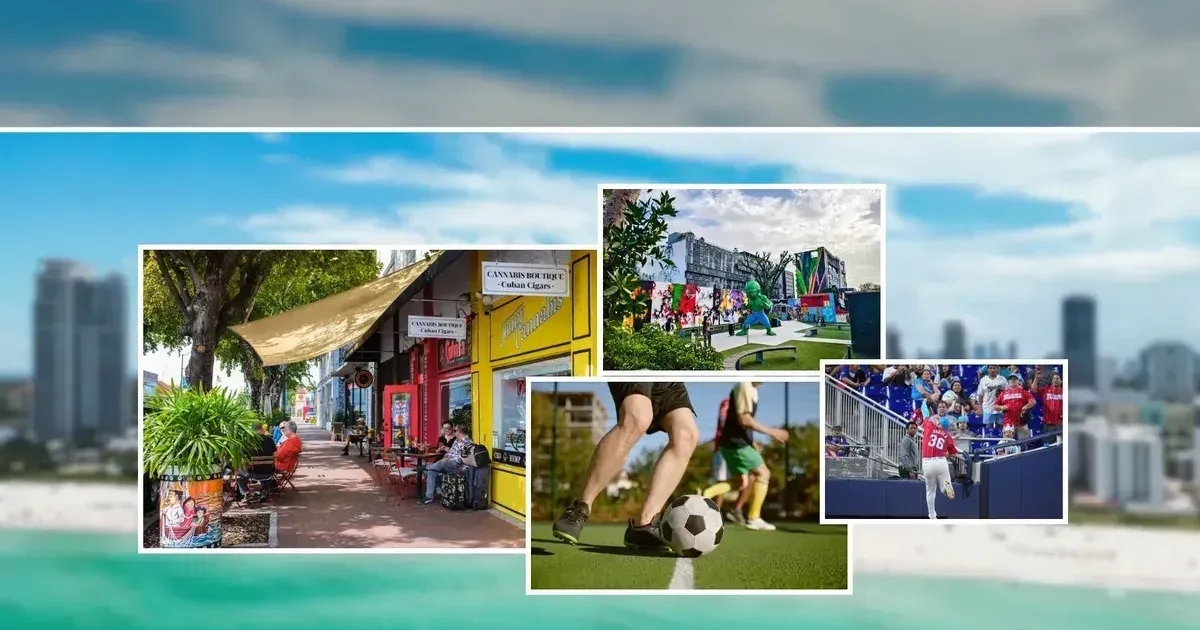
South Florida presents a different atmosphere as Hard Rock Stadium prepares for its role in the 2026 schedule. Located in Miami Gardens, the stadium is roughly halfway between the glitzy beachfront of Miami and the residential corridors of Fort Lauderdale. The venue has a long history of hosting international soccer friendlies that frequently draw larger crowds than local professional football games. Local culture is deeply rooted in the sport, specifically among the large Latin American population. Miami is a perennial magnet for travelers, thanks to its dazzling blend of cultures, vibrant arts scene, great parks and outdoor spaces, and a food culture as diverse as its population. Miami often refers to itself as the Capital of Latin America due to its demographic composition. Supporters from across the Caribbean and South America regularly pack local bars and restaurants to watch global tournaments. Flags from competing nations often flutter from apartment balconies and car windows throughout the city. A World Cup match between South American powerhouses often eclipses even national holidays. Miami Gardens sits roughly midway between the Atlantic coast and the Everglades. International travelers will find an experience in Miami that differs sharply from the Northeast corridor. While many visitors prioritize the Art Deco Historic District and the beaches, the stadium sits in a more industrial and residential area. This separation means fans will spend considerable time commuting between their hotels on the coast and the inland venue. Traffic on the I-95 corridor and the Florida Turnpike often becomes congested during major events at the stadium. The success of the tournament relies heavily on the coordination of local transit agencies. In the New York region, the Port Authority of New York and New Jersey must manage increased volume at Newark Liberty International, John F. Kennedy International, and LaGuardia airports. These hubs serve as the primary entry points for overseas fans.
The New Jersey venue benefits from the existing infrastructure of the Northeast Corridor. The density of the rail network allows for the movement of thousands of people in relatively short windows of time. The system still faces pressure during the peak summer months when commuter volume remains high. Engineers are now reviewing the capacity of the North River Tunnels to ensure they can handle the additional tournament traffic.
Hospitality providers in both cities have already started adjusting their pricing models for the summer of 2026. Data from previous tournaments suggests that hotel rates in host cities can triple during the weeks surrounding the final matches. Short-term rental platforms also see a surge in listings as local residents look to capitalize on the influx of wealthy international travelers. Luxury suites at both MetLife and Hard Rock stadiums are expected to sell for record prices. The fan experience extends beyond the stadium walls into the streets. New York planners have identified Central Park and Liberty State Park as potential sites for large-scale viewing events. These zones allow fans to gather in a festive environment without the expense of stadium tickets. Security for these public gatherings involves cooperation between the NYPD, the NJ State Police, and federal agencies to establish designated security perimeters.
Economic analysts project that the 2026 FIFA World Cup will generate billions of dollars in revenue for the host cities. Much of this spending will occur in the tourism and service sectors, including restaurants, bars, and local transportation. While the long-term benefit of such events is often debated, the immediate injection of capital is a primary motivation for the bidding process. Preparations will continue until the opening whistle of the 2026 World Cup final.
The Final Is a Logistics Story
MetLife Stadium is a concrete island in a New Jersey swamp, yet FIFA expects it to represent the pinnacle of global sport.
In Miami, the situation is hardly better, with a stadium located in a suburban void that requires a grueling trek from the actual cultural heart of the city. We are asking international visitors to endure a logistical nightmare just to witness a match on a temporary grass pitch that was literally laid over plastic. This tournament is less about the spirit of football and more about the extraction of wealth from a captive audience of global travelers.
If this is the best infrastructure the United States can offer the world, the final match will be remembered for its transit delays rather than its goals.