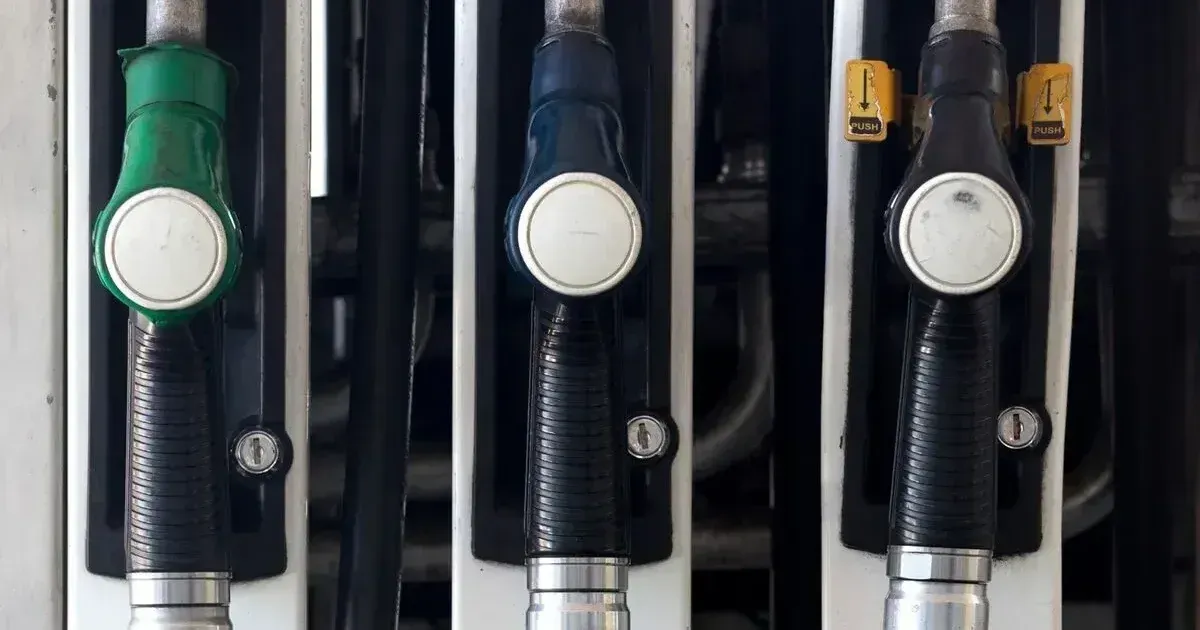
Anthony Albanese announced that a high-level ministerial delegation will depart for Southeast Asia to negotiate emergency energy and agricultural supply agreements. Foreign Minister Penny Wong joins the prime minister on the mission to Brunei Darussalam and Malaysia. By April 15, 2026, officials in Canberra had identified diesel, fertilizer and broader fuel security as the primary objectives. National security assessments recently flagged Australia's liquid fuel reserves as a critical vulnerability.
Refinery closures over the past five years have stripped Australia of its domestic self-sufficiency. Both the BP Kwinana facility in Western Australia and the ExxonMobil Altona plant in Victoria ceased operations, leaving the nation dependent on imported refined products. Economic data indicate that nearly 90 percent of Australia’s liquid fuel arrives via maritime trade routes. Anthony Albanese emphasized the necessity of these diplomatic ties to insulate the domestic economy from international price shocks. Proactive engagement with neighbors provides a buffer against the volatility observed in northern hemisphere markets. Stability in the transport sector depends entirely on a consistent flow of diesel from Southeast Asian hubs.
Australia Seeks New Diesel and Fertilizer Supply Chains
Agricultural groups have pressured the government to address the soaring cost of urea and phosphate fertilizers. Australian farmers rely on these imports to maintain crop yields across the wheat belt and eastern agricultural zones. Shortages of AdBlue, a diesel exhaust fluid necessary for modern trucking fleets, previously nearly paralyzed national logistics. Domestic production remains insufficient to meet the demands of the heavy transport industry. Energy analysts suggest that securing a dedicated supply line from Malaysian chemical plants would prevent a recurrence of the 2022 supply crisis. Local stockpiles currently hover near the minimum levels required by international energy agreements.
Economic Stakes of Energy Diplomacy in Brunei
Brunei Darussalam possesses some of the most important oil and gas reserves in the Pacific region. The Sultanate’s wealth is built upon its ability to export high-quality crude to developed economies. Australian energy firms have maintained a presence in the region for decades, yet state-level agreements have lacked the specificity required for modern energy security. Penny Wong has prioritized Brunei Darussalam due to its history of reliable delivery and geographic proximity. Shipping times from Bandar Seri Begawan are considerably shorter than those from Middle Eastern ports. Reducing transit time lessens the exposure of fuel tankers to geopolitical friction points in the South China Sea.
Defense cooperation often follows these economic discussions. Both nations share a vested interest in the stability of maritime corridors. Canberra has increased its maritime surveillance presence to ensure these trade routes stay open. Brunei’s energy exports accounted for a significant part of its GDP in 2025. Reliable long-term contracts with Australia provide the Sultanate with predictable revenue streams. Economic advisors in the prime minister's office view this as a mutually beneficial arrangement that strengthens the AUKUS-adjacent security architecture in the region. National fuel reserves must be replenished to meet the ninety-day storage mandate.
Kuala Lumpur is a central clearinghouse for regional manufacturing and chemical processing. The Malaysian state-owned energy giant, PETRONAS, operates some of the largest refining complexes in the world. Malaysia also hosts critical infrastructure for the production of nitrogen-based fertilizers. Trade between the two nations reached $2.4 billion in specific commodity sectors last year. Albanese views this relationship as the foundation of Australia’s Southeast Asian economic strategy. Diversifying supply chains away from a single dominant market reduces the impact of localized trade disputes. Foreign Minister Wong has spent months laying the groundwork for this visit through back-channel communications with her Malaysian counterparts.
Labor shortages in the Malaysian manufacturing sector have occasionally slowed exports. To address this, the Australian delegation plans to offer technical assistance and vocational training programs. Integrated supply chains require both nations to synchronize their regulatory standards. This visit aims to harmonize the shipping protocols for hazardous materials like ammonium nitrate. Australian mining companies require these chemicals for blasting operations in the Pilbara. Without these imports, the extraction of iron ore and coal would face major operational headwinds. Economic growth in Perth and Brisbane is tied directly to the success of these negotiations.
Government ministers expect the tour to conclude with several memoranda of understanding. These documents will outline the specific volumes of diesel and fertilizer to be reserved for the Australian market. Transparency in pricing mechanisms is a key demand from the Australian Treasury. Federal officials want to avoid the predatory pricing seen during the peak of recent global shortages. Regional partners appreciate the high-level attention from the prime minister’s office. Establishing these guardrails protects the Australian economy from the whims of speculative traders. Fuel security is now viewed through the lens of national defense rather than simple commerce.
Energy Diplomacy in Southeast Asia
Australia’s sudden scramble for fuel security is the predictable result of decades of industrial negligence. Successive governments in Canberra stood by as the nation’s refining capacity evaporated, trading sovereignty for the fleeting convenience of cheaper imports. This trip to Brunei and Malaysia is not a victory lap of diplomacy. It is an emergency evacuation of a failed energy policy. Relying on the goodwill of regional neighbors to keep the Australian trucking industry alive is a high-stakes gamble that ignores the volatility of Southeast Asian politics.
Brunei and Malaysia are rational actors who will prioritize their own domestic stability the moment a real global crisis hits. A Memorandum of Understanding is not a physical pipeline. If shipping lanes are contested or global demand spikes, these paper agreements will vanish. The Prime Minister is attempting to buy time, but he is doing so with a weak hand. Until Australia rebuilds its own domestic refining and storage capacity, it stays a hostage to the maritime logistics of others. The strategy is a bandage on a gaping wound. Australia is vulnerable.