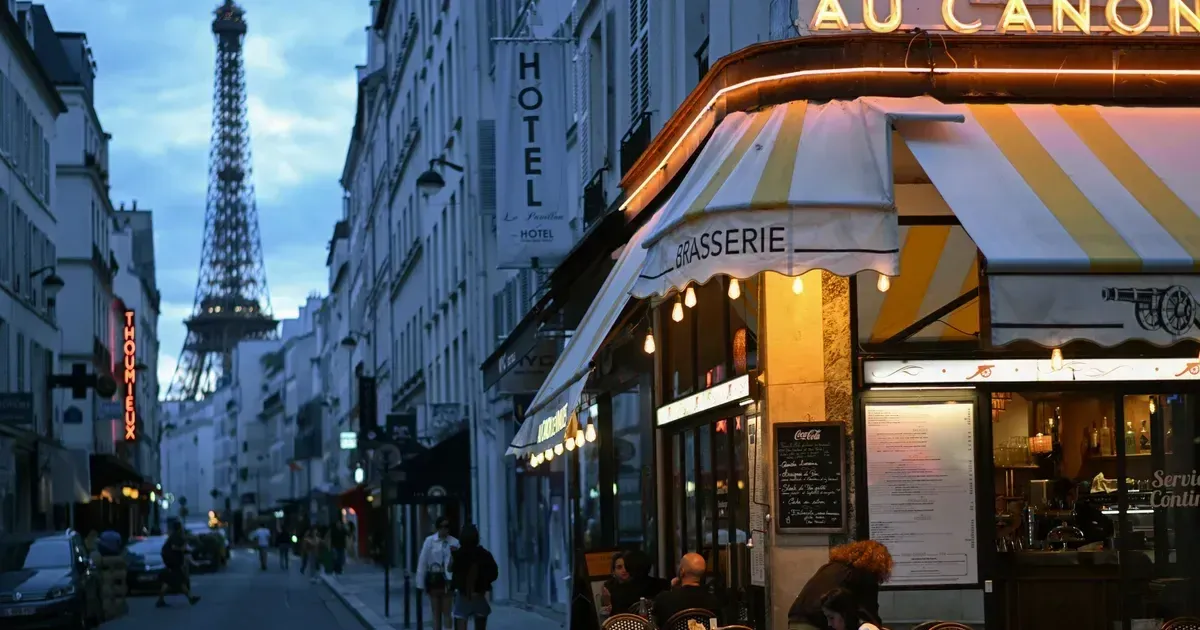
Alice Moireau is presenting Paris as a city best understood through neighborhoods rather than landmark checklists. Her 72-hour approach favors food, boutique hotels and smaller cultural stops over a compressed tour of major sights. The recommendations reflect a broader luxury travel shift. Wealthy visitors increasingly want local texture, but they still rely on careful curation to find it quickly. That tension was clear in the April 7, 2026, travel guidance.
Alice Moireau Prioritizes Neighborhood Specificity in Paris
Neighborhood selection acts as the foundational decision for any short-term stay. Moireau frequently directs attention toward the 11th Arrondissement, an area that has transformed into the city's gastronomic heart. This district offers a density of innovative wine bars and independent shops that larger, more central areas lack. Travelers who choose this sector benefit from a slower, more deliberate pace of life. Quality of life takes precedence over sightseeing checkboxes.
Walking remains the most efficient way to observe the subtle changes in Parisian architecture. Moireau suggests starting at the Canal Saint-Martin before moving toward the narrow streets of the Marais. Each turn reveals a different layer of history, from medieval timber-framed houses to industrial-age warehouses converted into galleries. Sunlight hitting the zinc roofs of the Haussmann buildings provides the definitive visual signature of the city. Observations of these details require the traveler to look up from their maps.
High-End Gastronomy Anchors Modern Parisian Itineraries
Culinary decisions dictate the success of a 72-hour trip. Moireau, whose professional life revolves around the art of the table, views dining as a cultural performance. TABLE creates experiences that bridge the gap between private dining and public restaurants. Her suggestions for 2026 prioritize chefs who maintain direct relationships with farmers in the Ile-de-France region. Seasonal menus fluctuate weekly based on availability at the Rungis International Market.
Wine selections also reflect this commitment to regionality. Natural and biodynamic wines have moved from a niche interest to a standard expectation in Parisian bistros. Sommeliers in these venues act as educators, guiding guests through the varied terroirs of France. Moireau points to the increasing popularity of cave-a-mangers, where patrons can enjoy a glass while purchasing bottles to take home. The distinction between a shop and a bar continues to blur.
"We seek to celebrate the art of living through shared meals and curated spaces that feel personal instead of performative," stated a recent mission brief from the TABLE organization.
High-end retail experiences have also moved away from the main boulevards. Concept stores tucked into quiet courtyards offer a level of discovery that flagship stores cannot replicate. Buyers seek items that tell a story of Parisian manufacturing. Moireau suggests that these small-scale transactions represent the true future of luxury commerce. The shift toward intimate stays reflects the same preference for smaller, carefully curated settings.
The TABLE co-founder emphasizes that the best experiences often occur in the transition between destinations. Stopping for a coffee at a specific corner or browsing a used book stall along the Seine provides the necessary friction that makes a trip memorable. Without these unscripted moments, the itinerary becomes a mere sequence of transactions. Data from the Paris Tourism Office shows a 15% increase in repeat visitors opting for apartment-style stays over large hotels.
Dinner reservations at the city's most sought-after spots now require weeks of advance planning. Success in securing a table often depends on personal networks or specialized concierge services. Moireau notes that the most interesting cooking is currently happening in small kitchens with minimal staff. These intimate environments allow for a level of creativity that larger operations cannot sustain. One recent study indicates that diners in Paris now spend 20% more on average per meal than in 2023.
Accommodation choices have shifted toward properties that offer a distinct personality. Large international chains are losing market share to independent hotels that emphasize local character. Moireau favors hotels that feel like private residences, complete with curated libraries and unique art collections. These spaces provide a sense of belonging that generic luxury cannot provide. The cost for these premium boutique stays often exceeds $1,200 per night during peak season. Service in these establishments is increasingly personalized and informal. Staff members act more like well-connected friends than traditional employees. This evolution responds to the desires of a younger demographic of wealthy travelers who value authenticity over protocol. Modern luxury travelers prefer a warm greeting and a local recommendation over a formal bow. The rise of the lifestyle hotel has redefined the expectations of the global elite.
Design matters in this new hospitality paradigm. Architects are reclaiming older buildings and stripping them back to their original materials. Exposed stone, raw wood, and vintage furniture create an environment that feels grounded in Parisian history. Moireau suggests that the tactile nature of these spaces contributes to a deeper sense of relaxation. Visitors often cite the interior design of their hotel as a primary factor in their overall satisfaction.
Luxury Travel Chases Local Texture
The tension is that curated local travel can change the neighborhoods it celebrates. Once a district becomes a luxury itinerary, rents, restaurant demand and visitor expectations often follow. That does not make the approach empty. It does mean Paris travel now depends on restraint, because the most valuable experience is often the one that leaves enough room for the city to remain itself.