South Carolina tourism is being pulled toward smaller coastal markets with a clearer luxury identity. Kiawah Island and Hilton Head anchored a strategy built on high-value visitors, protected landscapes and repeat regional travel. On April 7, 2026, the latest state tourism data showed how beach towns can lift revenue without relying only on larger city campaigns. That growth also makes infrastructure, housing and environmental capacity harder to ignore.
Hilton Head Master Plan and Development Legacy
Hilton Head is a model for modern eco-conscious resort planning initiated by Charles Fraser in the mid-twentieth century. Sea Pines Plantation set a global standard for integrating residential footprints with native vegetation and wildlife habitats. Coligny Beach Park is the central hub for visitors seeking the island's famous 12-mile stretch of hard-packed white sand. Wide shorelines allow for the unique tradition of beach cycling, a hallmark of the Hilton Head experience. Municipal planners maintain strict building height restrictions to ensure the tree canopy stays visible from the Atlantic coastline.
Professional golf tournaments and world-class tennis facilities strengthen the island's reputation beyond its shoreline. Investors have poured capital into renovating mid-century villas to meet the demand of a more affluent millennial demographic. Recent property assessments in the Forest Beach area show a 15 percent year-over-year increase in valuation.
Kiawah Island Environmental Management Strategies
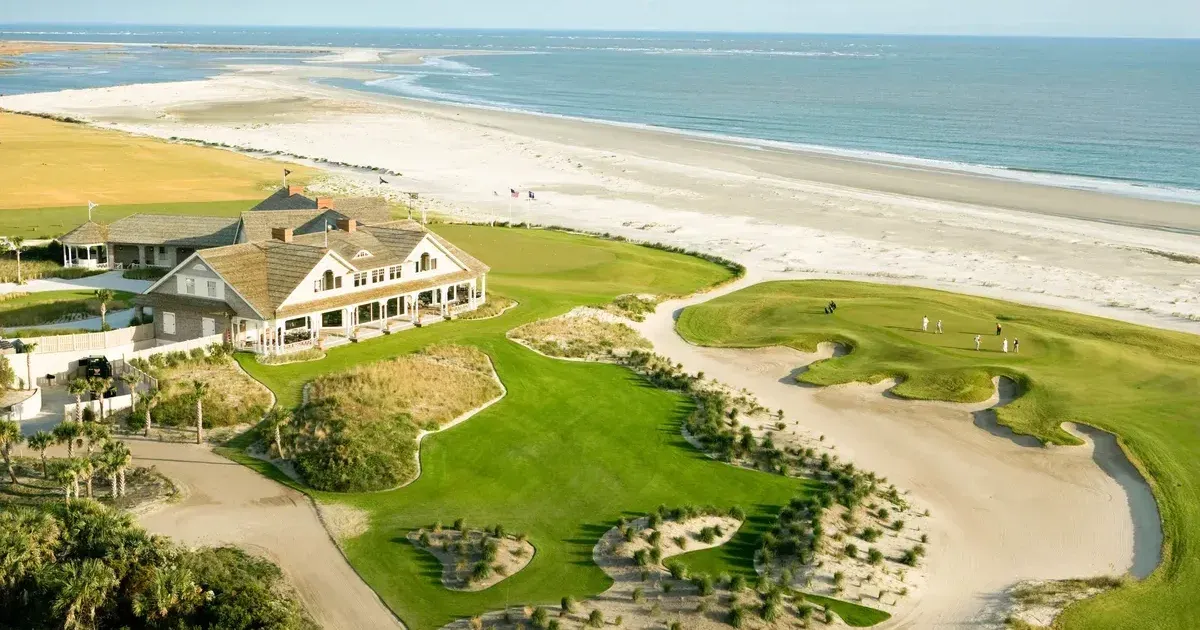
Kiawah Island offers a more secluded alternative to the bustling activity of Hilton Head, defined largely by its private gated communities. Beachwalker Park provides the only public access to the ten miles of pristine shoreline on the island's west end. Nature enthusiasts frequently visit this site to observe the shifting inlet currents and the abundance of migratory shorebirds. The island's geography features a complex network of salt marshes, lagoons, and maritime forests that supports bobcats and alligators. High-end hospitality is centered around the Sanctuary Hotel, a Forbes Five-Star property that anchors the local luxury market.
Professional golfers recognize the island for the Ocean Course, which has hosted multiple major championships. Strict environmental covenants govern every new construction project to minimize the impact on the local watershed. Development density stays lower than neighboring islands by design.
"Beach management requires a delicate balance between welcoming the world and protecting the very dunes that draw them here," noted an official from the South Carolina Department of Parks, Recreation and Tourism.
Retail centers near the shoreline have transitioned from souvenir shops to boutique artisanal markets. Local ordinances prohibit neon signage and loud outdoor amplification to preserve the subdued atmosphere of the residential districts. Sustainability initiatives now require all beachfront properties to use turtle-friendly lighting during nesting season. Marine biologists tracked a record number of loggerhead sea turtle nests along the south end of the island in 2025. Public beach access remains a priority for the town council, which manages more than 50 access points for day-trippers. Parking fees at popular lots fund ongoing beach nourishment projects. Coastal engineers completed a major sand replenishment cycle in late 2025 to reduce the effects of seasonal king tides.
Public-private partnerships have successfully preserved large swaths of the eastern end of the island. Managed retreats and shoreline stabilization projects are ongoing to combat sea-level rise affecting the Atlantic seaboard. Real estate demand on Kiawah Island often outpaces inventory, leading to a highly competitive secondary market for vacation rentals. Many properties are now used as primary residences for remote executives who value the proximity to Charleston. The town government implements rigorous trash removal protocols to prevent plastic pollution in the marshlands. Water quality testing occurs weekly at Beachwalker Park to ensure swimmer safety during the peak summer months. Local wildlife tours emphasize education rather than simple observation to foster a culture of conservation among visitors.
Sullivan's Island and Isle of Palms Broaden the Mix
Sullivan's Island attracts a sophisticated crowd drawn to its historical significance and culinary scene. Fort Moultrie is a silent sentinel at the island's edge, offering views of the Charleston harbor entrance. Regulations here prohibit short-term rentals in most districts, encouraging a quiet, residential atmosphere that differs from the resort-heavy Isle of Palms. Visitors must often walk several blocks through residential neighborhoods to reach the expansive, dunes-heavy beach. Station 12 and Station 18 remain the most popular entry points for locals seeking a respite from the city heat.
Windsurfers and kiteboarders use the consistent breezes found at the island's northern tip near Breach Inlet. The absence of commercial development on the beachfront ensures an unobstructed view of the horizon for all residents. Parking enforcement is notoriously strict to prevent overcrowding on narrow side streets.
Isle of Palms provides a more traditional vacation experience with its concentrated Front Beach commercial district. The Wild Dunes Resort occupies the northern end of the island, offering gated amenities and multiple golf courses. Families prefer this destination for its proximity to grocery stores, restaurants, and public restrooms. Beach volleyball tournaments are a frequent occurrence near the main pier area. Folly Beach, often called the Edge of America, caters to a younger, more bohemian demographic. Surfers congregate at the Washout, where unique offshore topography creates some of the best waves in the state.
Coastal Growth Depends on Local Limits
The practical issue is balance. Kiawah and Hilton Head can keep drawing affluent visitors only if local governments protect the shoreline, manage short-term rentals and keep the guest experience from overwhelming permanent residents. For South Carolina, the coastal brand is now an economic asset with limits. Growth works when the beaches, roads and labor market can still support the promise being sold.