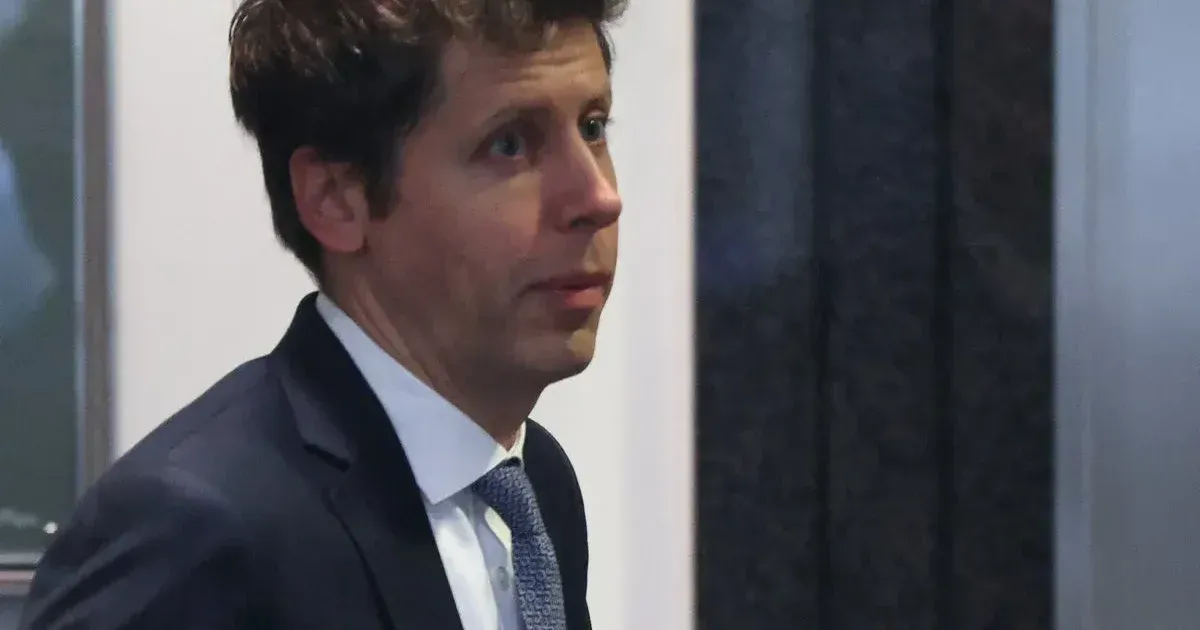
Sam Altman told a courtroom that Elon Musk demanded a 90 percent equity stake during the early formation of the artificial intelligence laboratory. Testimony in federal court revealed that Musk sought overwhelming control of the entity before it transformed into a commercial powerhouse. The testimony moved a long-running corporate feud into a sharper governance frame. It also put OpenAI’s early ownership structure under direct legal scrutiny. That matters because control, mission and valuation are now intertwined. Court records from May 13, 2026, indicate that the request for majority ownership occurred as the two tech titans negotiated the structure of what would eventually become the developer of ChatGPT.
OpenAI attorneys argued that these early demands prove an enduring desire for personal dominance rather than a concern for AI safety. This specific claim about the 90 percent stake directly challenges the narrative that the billionaire was merely a disinterested benefactor. Evidence presented in court suggests that the relationship soured when the board rejected the proposal for a majority share. Jurors listened to descriptions of high-stakes meetings where the future of the organization hung on whether a single individual could dictate its trajectory.
Musk, who now operates the competing xAI platform, has maintained that the transition of the company from a non-profit to a for-profit model was a betrayal of its original mission. Legal teams representing the laboratory countered that the lawsuit is an act of petty revenge. They stated that his motivations are rooted in his failure to seize control instead of any altruistic concerns about the technology. The legal battle has now entered its third week, exposing internal friction that was previously kept behind closed doors.
Witnesses described a shift in tone once the board of directors opted for a different path. Instead of the collaborative environment described in public statements, the private correspondence suggests a frantic struggle for power. Documents filed with the court show that the $11 billion in investment from other partners would likely never have materialized under the conditions Musk allegedly set.
Strategic Struggle for Control
The transition from research lab to a commercial giant created a friction point between the founding members. Altman testified that the pressure to secure a 90 percent stake would have effectively turned the organization into a private subsidiary of Musk's other ventures. He characterized the demand as a non-starter for the other co-founders who wanted a more diversified governance structure. The courtroom heard that the rejection of these terms preceded the high-profile departure of the billionaire from the board in 2018.
'Mr Musk felt very strongly that if we were going to form a for-profit, he needed total control over it initially,' Altman said.
Observers at the trial noted that neither executive appeared particularly sympathetic during the cross-examination. Lawyers for the defense pointed to contradictions in how the laboratory messaged its non-profit status while pursuing huge private valuations. This tension continues to be a focal point for the prosecution as they attempt to paint the current leadership as opportunistic. The jury must now weigh whether the breach of contract claims hold weight given the initial demands for equity.
OpenAI continues to prepare for a potential initial public offering that could value the company at hundreds of billions of dollars. Successful navigation of this trial is essential for maintaining investor confidence before any public listing. The financial stakes are higher than they have ever been because the winner could influence the regulatory and commercial environment for generative models. Revenue projections show that the company is currently the dominant force in the market, a position that Musk is now challenging through xAI.
Corporate Transformation and IPO Risk
Attorneys focused on the specific timing of the 90 percent demand to show that it occurred before any serious breakthroughs were made. They argued that Musk wanted to capture the upside of the research without the constraints of a traditional non-profit board. The maneuver would have granted him unilateral power over the release of new models. The laboratory, however, stayed the course on a multi-stakeholder model that eventually led to its partnership with other major tech firms.
The defense team maintains that the organization’s current structure is a violation of the founding agreement. They argue that the shift toward profit-seeking invalidated the original contracts. Nevertheless, the court has seen little evidence so far that a binding contract was in place to prevent the commercialization that Altman eventually pursued. Financial records introduced as evidence show that the funding requirements for large-scale training made the non-profit model unsustainable in the long term.
Market analysts are watching the proceedings closely to gauge the stability of the leadership team. Any ruling that questions the legitimacy of the corporate structure could delay the planned initial public offering. The outcome remains a major variable for the broader tech sector, where the balance between open-source research and proprietary profits is still a matter of intense debate. Legal experts suggest that the case will likely hinge on whether the initial 90 percent demand constitutes a material breach of the fiduciary duty the founders owed to the original mission.
What the OpenAI Fight Tests
The revelation that Elon Musk sought a 90 percent stake changes the fundamental perception of the OpenAI rift. It shifts the story from a philosophical disagreement about AI safety into a standard corporate power struggle. If the court accepts that the lawsuit is motivated by competitive envy instead of a breach of ethics, the laboratory could strengthen its path toward an enormous public listing without further interference. The trial is not just about the past but about who owns the future of intelligence.
Competition between xAI and ChatGPT has moved from the research lab to the courtroom. The strategic value of these testimonies lies in their ability to strip away the veneer of altruism that both sides have used as a shield. Investors are looking for clarity, and a definitive victory for the current leadership would remove the largest remaining obstacle to a formal market exit. The verdict could test whether the early handshake deals of Silicon Valley can survive the reality of trillion-dollar valuations.