Seattle retail analysts are tracking a pronounced migration toward budget luxury as 2026 consumer habits solidify. High-income aesthetics no longer require high-income salaries according to transaction data from Amazon. Digital storefronts are now flooded with items that mimic the silhouettes of legacy fashion houses while maintaining accessible price points. Shoppers increasingly prioritize peer validation through high-volume review counts over traditional brand heritage. Consumers are favoring lower-cost fashion and decor finds, replacing designer labels with products validated by reviews and price discipline. Reviewer-vetted staples are the new currency of the digital marketplace. Data suggests that a product with four stars and several thousand reviews often outperforms a luxury item with zero digital footprint.
Amazon Reviews Replace Brand Prestige
Fashion enthusiasts are now gravitating toward asymmetrical designs that offer a modern edge without the couture price tag. One standout example is the off-the-shoulder top by Trendy Queen, which has gained significant traction for its versatile look. Reviewers frequently mention the double-lined fabric as a key indicator of quality. Such construction details are usually reserved for higher-tier brands, yet these pieces remain accessible to the mass market. One reviewer praised the top's high-quality, double-lined material and noted that it resisted wrinkles without requiring complicated styling. Practicality remains a top priority for those purchasing casual wear. The ANRABESS loose casual jumpsuit has become a staple for travelers and home-based workers alike. Featuring a drop-crotch design and soft fabrics, it offers a level of comfort that competitors often sacrifice for structure. The availability of 24 colors allows consumers to build an entire wardrobe around a single, trusted silhouette. But the desire for minimalism extends beyond casual jumpsuits. The WIHOLL A-line boatneck dress has seen a resurgence in popularity due to its 1990s aesthetic. Simple lines and a zipper back make it a functional choice for both office environments and evening events. Shoppers report that the fit mimics high-end minimalist labels that charge five times the price. High ratings confirm that the garment maintains its shape after multiple washes. Efficiency in design is the hallmark of these viral hits. Most of these clothing items are designed to be worn without complex accessories or specialty undergarments. This focus on ease of use has helped certain brands dominate the recommendations engine. Customers reward simplicity with repeat purchases and glowing testimonials.
Budget Style Tests Luxury Markups
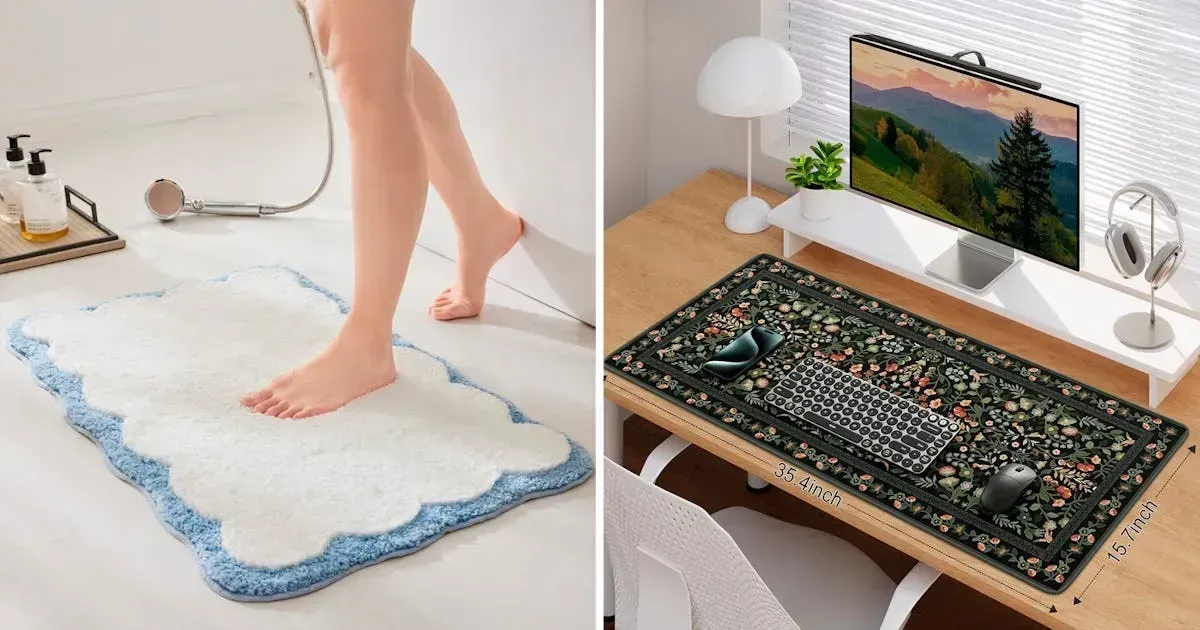
Interior design is following a similar path toward affordable elegance. Small upgrades like lacy curtains and romantic lighting can transform a sharp room into a warm environment. The YJ YANJUN large lace curtains are a primary example of this trend toward vintage-inspired home decor. They offer floral patterns and scalloped edges that evoke a classic European aesthetic for a fraction of the cost of custom window treatments. Lighting plays a critical role in setting the atmosphere of a living space. YOLIGHT wishing ball curtain lights use Edison bulbs filled with copper wire to create a complex glow. These units feature eight lighting modes and a remote control for ease of operation. Lighting remains one of the fastest ways to update a room without performing a full renovation. Hardware updates provide another low-cost method for refreshing old furniture. Redeam brass cabinet knobs, designed in the shape of flowers, offer a high-quality feel to standard kitchen cabinets or bedroom dressers. Brass has returned as a dominant finish in luxury home magazines, making these affordable versions highly sought after. Sturdy construction and easy installation are frequently cited in the five-star reviews for these items. Productivity spaces are also receiving aesthetic attention.
Consumer behavior in 2026 suggests that brand loyalty is being replaced by an obsession with value-to-quality ratios. Huge quantities of data allow retailers to identify exactly which features shoppers find essential. By stripping away the costs of physical retail and high-end marketing, these brands can deliver premium-feeling goods directly to the consumer. The model is disrupting traditional department stores that cannot compete on price or selection speed.
The logistical scale of these operations is what truly separates the winners from the losers. Global supply chains are now tuned to respond to viral social media trends in real time. If an asymmetrical top goes viral on a video platform, manufacturers can ramp up production within weeks. The agility ensures that the latest silhouettes are always in stock for the hungry consumer. Economic shifts have also influenced the rise of the budget-conscious shopper. Even high earners are finding value in saving on basics so they can spend on experiences or larger investments. The stigma of shopping for deals has largely vanished after the digital review culture. Today, the most savvy consumer is the one who finds the best product at the lowest possible price point.
Online marketplaces have created a meritocracy for consumer goods. A small brand with a superior design can quickly rise to the top of the charts if it secures early positive feedback. The democratization of the retail space has forced legacy brands to rethink their pricing structures and digital strategies. The result is a more competitive market where the consumer holds the ultimate power.
The Review Count Is the New Label
Old-world luxury once relied on the twin pillars of scarcity and social exclusion, but the digital age has effectively democratized the aesthetic of the elite. What is happening is not just a trend toward frugality but a wholesale rejection of the luxury tax that heritage brands have imposed for decades. If a double-lined top from a digital-native brand provides the same tactile experience as a boutique garment, the logical justification for the latter evaporates. It creates a crisis for traditional fashion houses that have long relied on artificial prestige to sustain their margins.
They are now competing with an algorithm that rewards actual user satisfaction over glossy magazine advertisements. However, this shift toward high-volume, low-cost production carries its own inherent risks. The speed at which these items are produced and discarded raises serious questions about environmental sustainability and the ethics of the global supply chain. While the consumer wins on price, the long-term cost of this disposable luxury model has yet to be fully calculated. We must ask if we are trading lasting quality for temporary aesthetic gratification.
The market has proven that consumers will always choose the bougie look for cheap, regardless of the hidden costs. True luxury may eventually return to its roots in craftsmanship and longevity as the only way to distinguish itself from the sea of affordable clones.