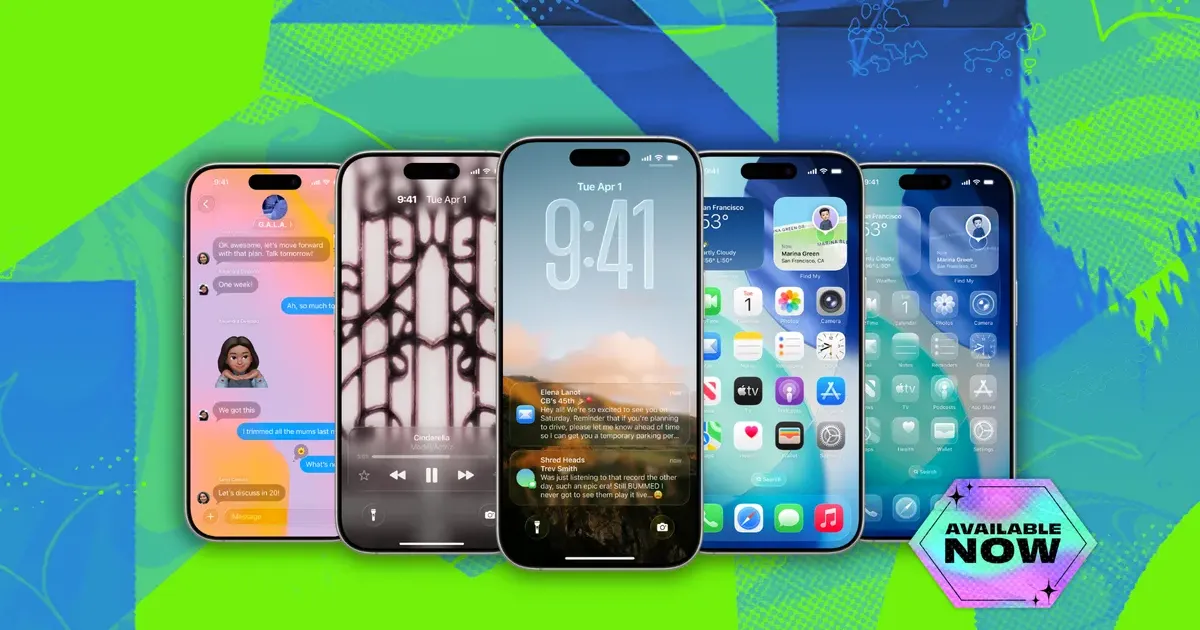
Apple engineers distributed the iOS 26.5 beta to developers, revealing a software environment focused on monetization while artificial intelligence efforts stay in a state of stasis. The April 3, 2026, beta release showed how Apple is monetizing maps while its AI roadmap lags. Missing from the update was any functional integration of Google Gemini, the large language model intended to revive the flagging Siri assistant. Experts closely monitoring the release found only minor tweaks to system stability and interface elements. The technical adjustments do little to address the widening gap between Apple and its competitors in the generative intelligence sector. Internal plans now indicate that a full AI overhaul will likely wait until the release of iOS 27.
Technical investigators discovered specific code strings within the Maps application that point toward a new revenue stream. The update also places that commercial shift alongside quieter fixes to messaging and privacy tools. A fresh Suggested Places tab now appears within the search interface of the mapping software. Recent reports from industry analysts indicate that the slots are designated zones for future paid advertisements. Apple has long avoided cluttering its navigation tools with commercial content, but the pressure to increase service revenue has forced a change in philosophy. Metadata in the beta suggests that these suggestions will vary based on user location and previous search history.
Apple Maps Integration of Suggested Places
Advertisements within navigation software represent a departure from the clean design language favored by previous leadership teams. Developers at MacRumors identified the Suggested Places tab as a container for sponsored locations. Search results in the current beta version already prioritize the sponsored entries. Retailers will soon have the opportunity to pay for placement when users search for generic terms like coffee or gasoline. The update introduces the plumbing for a sophisticated auction-based ad system within the mobile ecosystem.
Presumably, future Apple Maps ads will live here.
Mashable reporters confirmed that the infrastructure for these commercial placements exists in the current build. Maps has historically been a loss leader for the company, provided as a utility to keep users within the walled garden of the iPhone. Monetizing the search bar within the app could generate billions in high-margin revenue. Competition from Google Maps, which has used a similar ad model for years, makes this move a logical step for the services division. Shareholders have demanded new growth avenues as hardware sales hit a plateau in North America and Europe.
Messaging Standards and RCS Encryption Return
Communication protocols saw a quiet but significant restoration in the iOS 26.5 release. Software testers noted the return of end-to-end encryption for RCS messages exchanged between iPhone and Android users. This encryption layer had vanished in previous beta versions, causing concern among privacy advocates who rely on secure cross-platform texting. Messaging interoperability remains a point of contention between Silicon Valley giants and international regulators. Restoring this security feature ensures that the company complies with evolving global standards for data protection.
Pairing procedures for Apple Magic accessories also received a technical refresh in this version. iPhone owners can now connect keyboards, trackpads, and mice with fewer steps in the settings menu. Software logic now automatically recognizes these peripherals when they are in close proximity to the handset. The refinements aim to bridge the gap between mobile and desktop productivity. Users often complain about the friction involved in using mobile devices for professional tasks, and this update targets that specific problem.
Health tracking continues to be a primary driver for the wearable hardware division. Comparing the Apple Watch to the Oura Ring reveals two distinct philosophies regarding user data and battery life. Apple focuses on active, real-time feedback with a vibrant screen that requires daily charging. By contrast, the Oura Ring emphasizes passive recovery and long-term trends without the distraction of a display. Daily priority for users often depends on whether they value notification management or sleep optimization. The choice between these two devices defines how a consumer interacts with their personal biometrics.
Developers also found updates to StoreKit, the framework that handles in-app purchases and subscriptions. The StoreKit changes streamline the checkout process for third-party applications. Apple modified these tools to satisfy EU mandates regarding digital markets. Specifically, the software now allows for different payment flows for users located within the European Union. The regional variations create a fragmented experience for global developers. Regulators in Brussels continue to monitor how these technical changes affect fair competition in the mobile app economy.
Anticipation for a Google Gemini-powered version of Siri continues to build despite the lack of evidence in the current beta. Apple signed a partnership with Google to use their advanced language models for complex queries. Current versions of Siri rely on older, intent-based logic that often fails to understand conversational context. Engineers are working to integrate the LLM without compromising the strict on-device privacy standards the brand promotes. Failure to include the AI features in the 26.5 update suggests that the backend integration is more complex than initially expected.
Wallpaper bug fixes and minor aesthetic corrections round out the remaining changes in this release. Beta participants noted that several lingering visual glitches in the lock screen have been resolved. The small fixes are typical for mid-cycle updates that focus on polish rather than pioneering features. High-resolution assets for new marketing campaigns are also embedded in the system files. Most users will not notice these changes until the public release later this spring. The build number for this version is 23F5050f.
Apple Maps Turns Navigation Into Ad Inventory
Technology enthusiasts who still believe Apple prioritizes user experience over shareholder dividends are ignoring the data. The inclusion of advertising slots in Maps is a surrender to the very surveillance-capitalist model the company publicly decries. Executives in Cupertino are trapped between their privacy-first branding and the relentless need for quarterly growth. This strategy turns a primary utility into a billboard, eroding the trust that once justified the premium price tag of the iPhone. Once a company begins auctioning off the user's destination to the highest bidder, the claim of being a user-centric organization becomes a marketing fiction.
Stalling the AI rollout while pushing ads into the interface is a tactical error of the highest order. While competitors like Samsung and Google integrate generative tools into the core of their operating systems, Apple is busy building an ad network. The reliance on Google Gemini is an admission of failure in internal research and development. It places the future of the Siri experience in the hands of a primary rival. The dependency creates an unstable position where the most important software feature of the decade is outsourced to a competitor. Apple is no longer leading the conversation; it is reacting to it from a position of unexpected weakness.
The era of hardware innovation has ended, replaced by a desperate scramble for recurring service fees. If the upcoming iOS 27 does not deliver a transformative AI experience, the platform risks becoming a legacy ecosystem. Users will not tolerate ads in their navigation apps if the core intelligence of the device feels like a relic from 2014. The pivot to services is a necessity, but the execution feels cynical and uninspired. Profit margins are protected, but the soul of the product is being sold off one suggested place at a time. A reckoning is coming.