Legacy tech discounts can be useful only when buyers understand the limits.
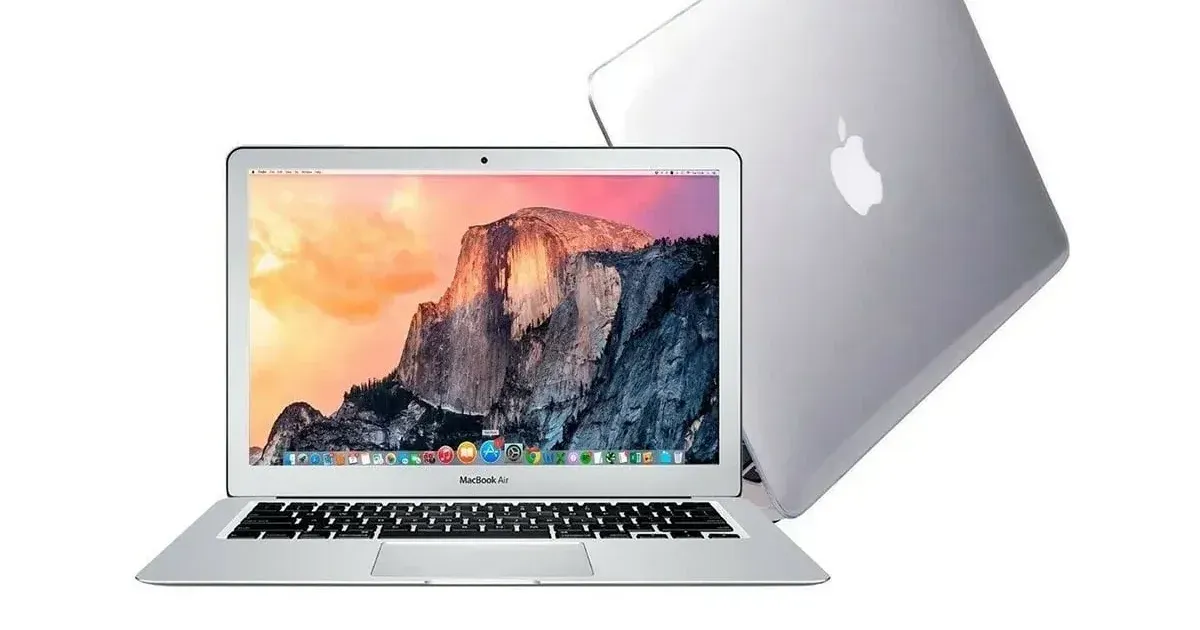
The discounts look simple, but support and compatibility make them more complicated. On April 5, 2026, Apple and Microsoft products reached new pricing floors as retailers moved to liquidate huge volumes of hardware and software inventory. Analysts tracking the consumer technology sector observed a meaningful divergence in how legacy assets are being valued in the secondary market. A refurbished 2017 Apple MacBook Air is now listed for $199.97, a price point that suggests a rapid transition away from Intel-based mobile computing. This specific hardware offer remains active until April 19, provided inventory levels do not deplete before the deadline.
Software markets mirrored this aggressive discounting trend with the release of heavily subsidized Microsoft licenses. Consumers can currently acquire a Windows 11 Pro license for $12.97, which is a price reduction of roughly 93 percent from the standard retail value of $199. Microsoft continues to leverage these high-volume, low-cost license sales to strengthen user numbers for its current operating system. The promotion for the software license carries a deadline of May 3, 2026.
Legacy Hardware Has Clear Tradeoffs
Legacy hardware cycles often dictate these pricing corrections when a manufacturer moves entirely to a new architecture. Apple transitioned to its proprietary silicon years ago, making the 2017 MacBook Air one of the final remnants of the Intel era. This 13.3-inch laptop features 8GB of RAM and 128GB of flash storage, specifications that meet the basic requirements for web browsing and office productivity. Most professional users now require much higher processing overhead than the dual-core processors found in these 2017 models can provide.
Refurbished units occupy a unique space in the current economy. Buyers seeking a secondary device for travel or a primary machine for students often prioritize the Apple aesthetic over peak performance. The 2017 model retains the classic wedge shape and a variety of physical ports that newer models have largely abandoned. Such ports include the MagSafe 2 power connector and dual USB 3.0 slots. Portability stays a primary selling point for this 2.96-pound chassis.
Operating systems like Windows 11 Pro are designed specifically for the modern professional to ensure maximum efficiency across diverse digital workflows, according to a product description from Microsoft.
Battery health persists as the primary concern for any consumer purchasing a device nearly nine years after its initial release. Refurbishing processes typically involve testing the lithium-ion cells, though capacity rarely matches that of a factory-new unit. Third-party vendors handling these sales must manage high return rates associated with aging battery components. The current $199.97 price accounts for these hardware risks.
Cheap Windows Licenses Need Scrutiny
Software distribution has shifted toward a model where the initial purchase price is secondary to ecosystem retention. Microsoft Windows 11 Pro includes features like BitLocker encryption and remote desktop capabilities that are absent in the Home edition. Offering these tools for $12.97 allows Microsoft to move users off older, unsupported versions of Windows. Security remains the primary driver for these updates.
Compatibility issues frequently prevent older PCs from running the latest operating systems without specific hardware bypasses. Windows 11 Pro requires Trusted Platform Module 2.0 to function according to official specifications. Users purchasing these discounted licenses often do so for new custom builds or as upgrades for compatible hardware currently running Windows 10. Digital delivery of these keys eliminates the overhead associated with physical packaging and shipping.
Productivity suites and cloud services often follow these operating system installations. Microsoft uses the professional version of its OS to funnel users toward its 365 subscription services and Azure integrations. The $12.97 entry price is a customer acquisition cost rather than a direct profit driver for the software giant. Revenue growth in the software sector now depends on recurring service fees.
Support Windows Matter to Buyers
Performance benchmarks for the 2017 MacBook Air show a widening gap between older Intel chips and modern M-series processors. Modern web browsers and high-definition video streaming platforms consume serious system resources that can tax older dual-core systems. Multitasking between several resource-heavy applications often leads to thermal throttling in these older thin-and-light designs. The 1440 by 900 pixel resolution also falls short of modern Retina display standards.
Hardware longevity is a subject of intense debate among investigative tech journalists. While Apple build quality is high, the software support window for Intel-based Macs is narrowing. Future versions of macOS may exclude these older models from receiving critical security patches. Buyers must weigh the $199.97 cost against the likelihood of the machine becoming functionally obsolete within twenty-four months.
Component failure in aging laptops often involves the display backlight or the keyboard mechanism. The 2017 MacBook Air fortunately uses the traditional scissor-switch keyboard, avoiding the reliability issues associated with the later butterfly designs. This keyboard reliability helps maintain the resale value of these older units even as their processing power fades. Physical durability is the main reason these devices still exist in the 2026 market.
Low Prices Do Not Remove Risk
Price compression in the software market has forced smaller developers to reconsider their own retail strategies. When a dominant player like Microsoft allows its flagship professional OS to retail for the price of a lunch, it sets a psychological anchor for consumers. Software value is increasingly perceived as near-zero by the general public. This shift pressures developers to adopt subscription models or ad-supported versions of their tools.
Enterprises benefit from these low-cost licenses when outfitting large fleets of computers on a budget. Small businesses can secure their data through Windows 11 Pro encryption features without a meaningful capital outlay. Bulk purchasing of these keys from authorized resellers has become a standard practice for IT departments looking to stretch annual budgets. Cost savings from software can be redirected toward hardware upgrades or cybersecurity insurance.
The secondary market for tech hardware continues to expand as sustainability becomes a corporate priority. Reusing a 2017 MacBook Air prevents the device from entering the e-waste stream prematurely. Market data shows that hardware lifespans are extending as the pace of incremental performance gains slows for basic computing tasks. A nine-year-old laptop is still a viable tool for basic digital literacy.