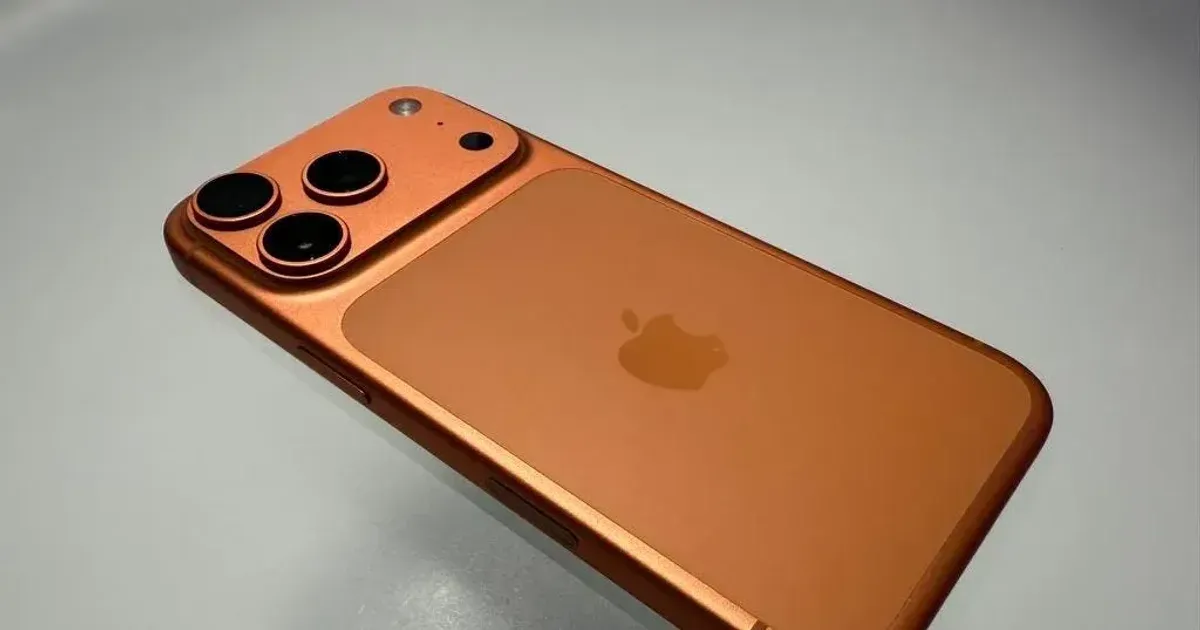
Apple’s next iPhone cycle is already being shaped by leaks and supply-chain clues. Apple's foldable plan is already shaping the next upgrade debate. Leaks surfacing in Silicon Valley describe a device designed to anchor a dual-flagship strategy. Apple executives prepared for a high-stakes hardware cycle on April 5, 2026, as internal documents revealed the technical specifications of the upcoming iPhone 18 Pro. Industry observers now expect a simultaneous reveal of standard hardware and a long-anticipated foldable competitor. Reports from Forbes suggest the tech giant is moving away from purely iterative updates to capture a cooling enthusiast market.
Hardware enthusiasts suggest the 18 Pro will feature a 2-nanometer chip produced by TSMC. Engineering schematics show a triple-lens camera array with upgraded periscope zoom capabilities. Internal testing for the new silicon focused on thermal management during extended generative AI tasks. Production targets for the primary display assembly reached six million units per month. Suppliers in Taiwan increased output of high-grade titanium to meet the chassis requirements for the new Pro models.
Camera optics for the upcoming flagship focus on a unified 48-megapixel sensor suite. Documents indicate that the ultrawide lens will finally match the resolution of the main sensor. Engineers redesigned the internal structure to reduce lens flare in low-light environments. Forbes reported that the new sensor size requires a slightly thicker camera bump on the rear glass. Reliability tests for the new titanium alloy concluded in March, showing improved scratch resistance over previous generations.
Battery capacity, meanwhile, increases by approximately 8% across the Pro lineup. Specialized stacked battery technology allows for higher energy density without increasing the physical footprint of the phone. Apple intends to leverage this additional power to support a more demanding 144Hz refresh rate on the ProMotion display. High-speed wireless charging standards also receive an update to 35-watt peak speeds. Cooling systems now incorporate a vapor chamber for the first time in the company's mobile history.
Pricing for the entry-level iPhone 18 Pro is expected to start at $1,200 in the United States. Revenue projections for the 2026 holiday season depend heavily on the adoption of these premium tiers. Consumer demand for high-end hardware stayed consistent even as mid-range sales slowed globally. Analysts from major investment banks noted that the higher price point reflects increased component costs for the 2nm processor. Manufacturing yields for the new chips stayed above 75% throughout the early production phase.
iPhone Fold models have entered the final stages of durability verification at the Foxconn facility in Shenzhen. Engineers focused on a proprietary hinge mechanism designed to eliminate the visible crease common in competing devices. Testing protocols involve 300,000 fold cycles in varying humidity levels. Early leaks suggest the device features an 8-inch internal display and a standard 6.1-inch external cover screen. Forbes source material points to a September 2026 launch date for the foldable unit.
Market competition in the foldable sector intensified throughout the previous fiscal year. Samsung and Huawei currently dominate the category with multi-generational hardware refinements. Apple aims to distinguish its entry by integrating the foldable experience more deeply with macOS-style multitasking features. Software developers received early access to a new folding API to optimize third-party applications. The hinge assembly uses a liquid metal alloy to ensure structural integrity over several years of use.
"The next big iPhone update is on its way and will land in a matter of weeks," reported Forbes during its coverage of the software cycle.
Investment in foldable technology required a meaningful shift in the capital expenditure budget for the current year. Display panels from LG and Samsung Display met the rigorous flexible requirements after several design iterations. Apple maintains a strict quality threshold that delayed the foldable project twice in the last decade. Because the company prioritizes longevity, the screen material uses a hybrid ultra-thin glass and polymer composite. Production lines for the foldable display are currently running at 60% capacity.
Supply Chain Readiness Is Key
Software engineers in Cupertino finalized the iOS 26.5 feature set earlier this month. This release cycle dictates the user experience for both the iPhone 18 Pro and the foldable models. Users will find an important feature that simplifies cross-device file management and real-time collaboration. Forbes analysts suggest the update will arrive on public servers within the next three weeks. Integration with the Apple Vision Pro ecosystem is a primary focus for this version of the operating system.
Intelligence features within the OS now operate primarily on-device to protect user privacy. Advanced language models use the 2nm Neural Engine to process complex queries without a cloud connection. Battery life impacts from these features stayed within the 5% margin during beta testing. Developers reported that the new Siri interface responds 30% faster than the previous version. Security patches included in the update address three zero-day vulnerabilities discovered in the kernel.
September 2026 looms as the definitive deadline for the foldable debut.
Digital interface designs for the foldable hardware include a specialized continuity mode. Applications transition between the cover screen and the internal display without losing state or layout positions. Apple developed a new file system layer to handle the dynamic resizing of active windows. Testing for this software bridge occurred across 50,000 distinct app scenarios. The final gold master build of the software is expected by the end of August.
Pricing Will Test Demand
Silicon Valley observers rarely see such a calculated risk from a company known for its patient refinement of existing technologies. By launching a foldable device and a serious Pro update simultaneously, Apple is attempting to recapture the narrative of innovation that has recently drifted toward East Asian competitors. The move is less about immediate sales volume and more about defending the premium brand identity from becoming a legacy status symbol. Skeptics who point to the niche nature of foldables ignore the reality that Apple creates its own gravity in the consumer market.
Success for the 2026 cycle hinges on the software bridge between the folding hardware and the standard iOS experience. If the iPhone Fold arrives with any of the mechanical or software jank that plagued early Android competitors, the damage to the brand will be catastrophic. However, the 2nm silicon suggests Apple is doing more than playing catch-up and is instead building a performance lead that competitors cannot bridge through form factor alone. This hardware transition constitutes a high-stakes bet on the future of the mobile computer. Apple is done waiting. The foldable era starts on its terms or it does not start at all.