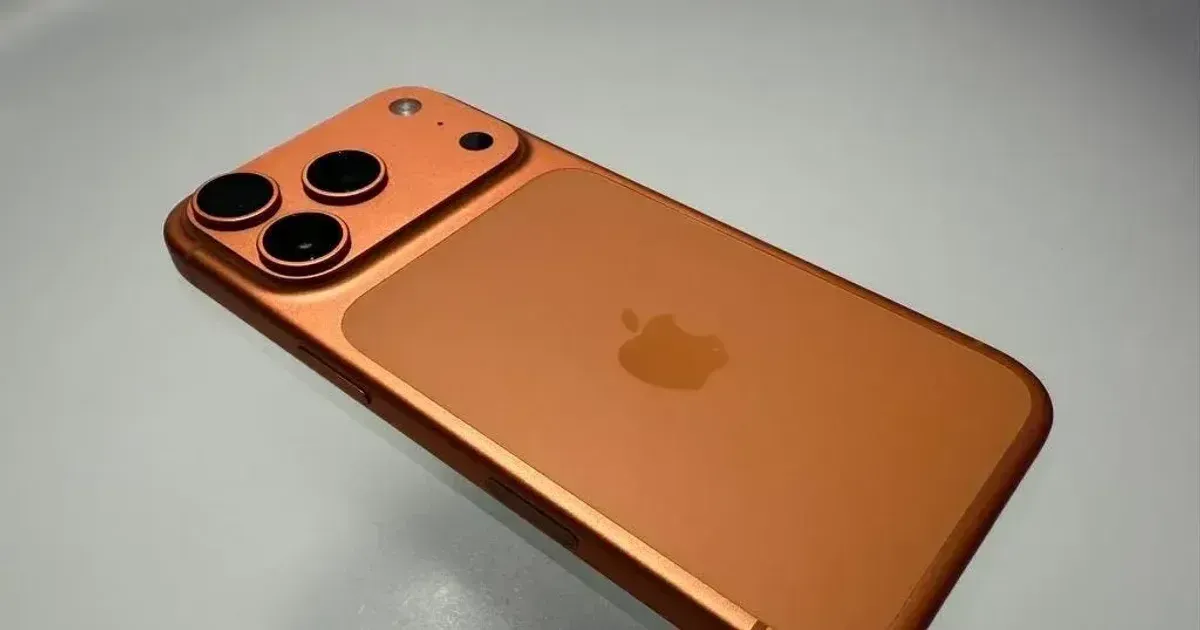
The transition question is whether hardware discipline can translate into platform momentum. Apple succession planning now centers on whether hardware leadership can sustain investor confidence. Apple officials confirmed on April 20, 2026, that John Ternus will assume the chief executive officer role. Leadership changes at the technology giant come after nearly 15 years of steady growth under outgoing leader Tim Cook. While most sources indicate the transition will take effect on September 1, internal reports from CBS News suggest the handover might begin as early as August. Cook plans to transition into the position of executive chairman of the board of directors. This move ensures his continued influence over the strategic direction of the company he has led since 2011.
Hardware engineering has defined the career of the incoming chief executive. John Ternus joined the organization in 2001, working his way through the ranks to lead the hardware engineering division. He played a central role in the transition of the Mac lineup to custom silicon, a project that redefined the performance metrics of the personal computer industry. His portfolio includes the development of multiple generations of the iPad and the AirPods. Engineering excellence remains a core requirement for any individual attempting to guide a company with a market capitalization exceeding $3.5 trillion.
John Ternus and the Hardware Engineering Legacy
Colleagues frequently describe the incoming leader as a steady, focused engineer with a deep understanding of the product cycle. John Ternus oversaw the complex shift from Intel processors to M-series chips, a logistical feat that required precise coordination between hardware and software teams. This success solidified his reputation as the natural heir to the executive suite. His tenure as Senior Vice President of Hardware Engineering provided him with a unique vantage point on the entire product ecosystem. Unlike previous leadership transitions, the internal consensus regarding his appointment appears strikingly stable.
Technical expertise will be essential as the company expands into spatial computing and augmented reality. The Vision Pro headset represents the most important new product category since the Apple Watch, and its future development sits squarely within the wheelhouse of a hardware expert. Ternus maintains a reputation for detail-oriented management. His ability to oversee thousands of engineers while keeping projects on strict timelines is well documented. Records from his previous projects show a consistent focus on power efficiency and industrial design.
Apple Financial Performance and Investor Confidence
Financial markets reacted with characteristic calm to the announcement of the succession plan. Apple shares climbed 1.2% in after-hours trading when the news broke on April 20, 2026. Investors generally prize stability over radical change, and the promotion of an internal veteran indicates a continuation of existing policies. Cook leaves behind a company that grew its services division into a powerhouse of recurring revenue. Annual service revenue now rivals the size of many Fortune 50 companies on its own. Profit margins remained high despite global economic fluctuations.
Institutional investors have long anticipated this transition. Bloomberg and Reuters have speculated on potential successors for years, often placing the hardware chief at the top of their lists. The decision to keep Cook on as executive chairman provides an additional layer of security for those worried about a sudden shift in corporate culture. Supply-chain management remains a critical strength for the Cupertino-based firm. Ternus will need to maintain the complex network of manufacturers and suppliers that spans several continents. Revenue figures for the last fiscal year reached record levels.
Tim Cook Transition to Executive Chairman Role
Transitioning into the board chair position allows the outgoing leader to focus on broader institutional goals. Tim Cook transformed the company from a hardware-centric boutique into a global service and lifestyle platform. He navigated intense regulatory scrutiny in both the United States and the European Union. His departure from the day-to-day operations marks the end of an era defined by large share buybacks and the expansion of the wearable technology market. The board of directors voted unanimously to approve his new role. He will continue to advise on long-term capital allocation.
"John Ternus will take his place as the technology giant's leader," according to an official statement from Apple.
Legal challenges and antitrust investigations persist across multiple jurisdictions. The Department of Justice continues to scrutinize the app store ecosystem and the dominance of the iPhone. These regulatory hurdles will be a primary focus for the legal team under the new administration. Ternus must balance technical innovation with the need to satisfy government regulators who are increasingly skeptical of big technology firms. Federal judges have already issued several rulings that could impact future software distribution models. These cases remain active in the court system.
Future Product Pipelines Under John Ternus
Product cycles at this scale are planned years in advance. John Ternus already has a major role in the devices slated for release through 2028. His influence ensures that the hardware plan will focus on further integration between the iPhone, iPad, and Mac. The company is also exploring automotive technology and advanced health monitoring sensors. Such projects require a leader who understands the physical constraints of manufacturing at scale. Ternus possesses the necessary background to bridge the gap between conceptual design and mass production. Engineers are currently testing prototypes for the next decade of hardware.
Global logistics and the diversification of manufacturing sites will be a top priority for the incoming chief executive. Reducing reliance on any single geographic region has been a multi-year effort that Ternus will likely accelerate. New facilities in India and Vietnam are already producing millions of devices annually. This geographic shift is essential for reducing risks associated with trade disputes and regional instability. The management of these sprawling operations is a task of immense complexity. Production targets for the next fiscal quarter remain unchanged.
Ternus Succession Tests Apple Continuity
Selecting a hardware engineer to lead the world's most valuable company is an admission that the era of pure financial engineering is over. Tim Cook was the master of the spreadsheet, a man who could squeeze every last penny out of a supply-chain while turning the company into a dividend-paying machine. By handing the keys to John Ternus, the board is gambling that the next decade of growth will come from physical breakthroughs rather than service subscriptions. It is a retreat to the garage-logic that founded the company, wrapped in the safety of a corporate veteran who has never rocked the boat.
Critics will argue that Ternus is a safe pick, a choice made to avoid spooking Wall Street instead of to spark a revolution. He is the designer of the M-series chips, a feat of incredible engineering, but he lacks the public-facing charisma that defines modern tech titans. The company is essentially betting that the product can speak for itself. It is a cold, calculated move designed to protect a legacy. Apple is no longer an underdog; it is the establishment. Ternus is the ultimate establishment candidate. Hardware is destiny.