The festival booking pattern now rewards cross-generation moments as much as headliners. That makes surprise appearances a business strategy, more than a social clip. Coachella surprise appearances turned nostalgia and Gen Z fandom into the same festival story. Madonna and Sabrina Carpenter performed together on April 20, 2026, at the Coachella Valley Music and Arts Festival in Indio, California. Music industry observers noted the appearance during the second weekend of the event, which historically draws smaller crowds but more celebrity cameos. Madonna took the stage during Carpenter's set to perform a medley that combined hits from both eras of pop history. Fans recorded the moment on smartphones, populating TikTok and Instagram feeds within minutes of the final note. This specific collaboration highlights a growing trend of legacy acts validating the careers of emerging superstars through shared stage time.
Ticket prices for the second weekend fluctuated on secondary markets like StubHub as rumors of the appearance circulated earlier in the afternoon. Production costs for such high-profile cameos often exceed several hundred thousand dollars when accounting for private travel and security logistics.
Sabrina Carpenter led the performance with her signature blend of retro-pop aesthetics before introducing the veteran icon. Critics frequently compare Carpenter's career trajectory to the early years of the Material Girl, making the pairing a logical choice for the Goldenvoice organizers. Audience members reported that the energy in the Sahara Tent shifted instantly upon the surprise entrance. Madison Avenue executives view these moments as prime opportunities for brand placement and social media engagement. Data from the festival grounds indicated a 40% spike in cellular data usage during the performance peak. Security personnel at the Empire Polo Club reinforced barriers to manage the sudden influx of spectators from adjacent stages.
Madonna Joins Sabrina Carpenter for Weekend Two
Madonna and Sabrina Carpenter used the expansive stage design to execute a choreographed routine that lasted approximately eight minutes. Sophie Flay of ABC News reported that the collaboration became one of the buzziest stories of the day. Industry analysts suggest that such appearances serve to bridge the generational gap between Gen Z listeners and Gen X heritage fans. Legacy artists often seek these opportunities to maintain relevance in a streaming-dominated market where algorithmic playlists dictate discovery. Sabrina Carpenter maintains a large following among younger demographics who may only know her guest through cultural references.
Weekend two attendees often expect these surprises, yet the scale of this particular union surpassed previous years. Logistics for the secret appearance required Madonna to fly into the nearby Palm Springs International Airport under a pseudonym to avoid detection by aviation enthusiasts and paparazzi.
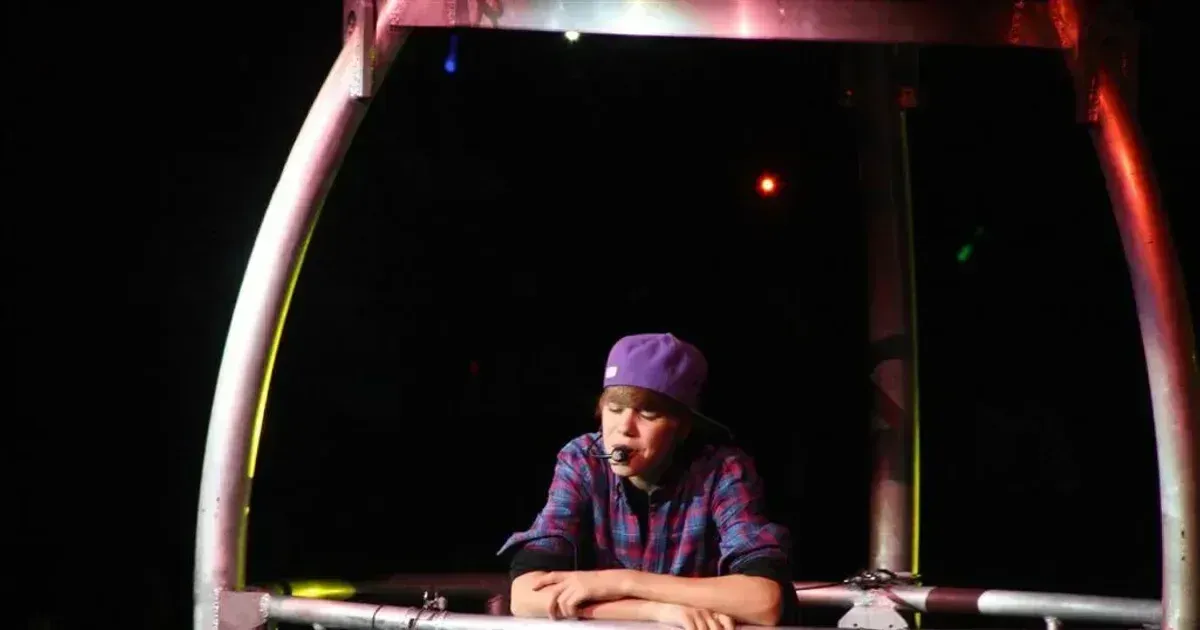
“I can’t stop crying because Justin Bieber just serenaded me in front of thousands of people,” Billie Eilish told fans.
Billie Eilish shared her emotional state with fans following a separate high-profile moment involving Justin Bieber. Records show that Eilish has been a vocal supporter of the Canadian singer since her childhood, often describing him as her primary musical inspiration. Justin Bieber appeared during her set to deliver an acoustic serenade that left the young star visibly shaken. Viral clips of the interaction show the two sharing a prolonged embrace as the audience remained silent. Billie Eilish later stated she could not stop crying due to the intensity of the experience.
Emotional resonance often drives the narrative of Coachella performances more than technical vocal precision. This interaction provided a human element to a festival often criticized for its corporate polish and influencer-heavy atmosphere.
Justin Bieber Serenades Emotional Billie Eilish
Justin Bieber walked onto the main stage unannounced, carrying only an acoustic guitar and a microphone. Fans in the front row began screaming as he played the opening chords of an unreleased track. Billie Eilish stood at the center of the stage, covering her face with her hands while the singer circled her. Producers at the festival coordinated the lighting to focus exclusively on the duo, creating an intimate atmosphere within the large venue. Justin Bieber has limited his public appearances in recent years, making this surprise all the more impactful for the 125,000 people in attendance.
Social media analytics platform Talkwalker reported that mentions of the serenade reached 2.4 million within the first hour. Digital engagement on this scale translates into millions of dollars in earned media for the artists and their respective labels.
Billie Eilish remained on stage for several minutes after her guest departed, attempting to compose herself before continuing her set list. Performers at this level rarely allow such vulnerability to show during a headlining slot. Management teams for both artists reportedly spent months coordinating the brief appearance to ensure maximum emotional impact. Justin Bieber had not performed at the festival since a brief appearance in 2024, heightening the rarity of the moment. Eilish's fans, known as "Eilishavators," flooded her comment sections with messages of support and shared excitement.
The set list eventually resumed with a high-energy rendition of her latest single, though the mood of the set had fundamentally shifted toward a celebratory tone. Local police reported no major incidents during the performance despite the dense crowd near the front of the stage.
Marketing Surprise Moments at Coachella 2026
Coachella 2026 organizers rely on these unannounced moments to maintain the festival's status as a premier global cultural event. Marketing strategies for large-scale festivals have shifted away from traditional advertising toward the cultivation of viral events. Publicists often leak hints to specific influencers to ensure that the right cameras are pointing at the stage when a guest appears. The U.S. festival industry generates $11 billion in annual revenue, with Coachella accounting for a significant part of that figure.
Surprise guests are more than artistic choices; they are calculated business decisions designed to dominate the news cycle for 72 hours. Weekend two specifically requires these boosts to prevent ticket holders from feeling they missed out on the weekend one festivities. Madonna and Justin Bieber represent the highest tier of guest talent available to a promoter like Paul Tollett. Streaming platforms like YouTube, which provide live coverage of the event, saw viewership numbers peak during these specific time slots. Advertisers pay a premium for slots during the live stream when high-profile rumors are circulating. Sabrina Carpenter and Billie Eilish represent the current pinnacle of pop marketability, making them ideal hosts for legacy cameos. Justin Bieber's team reportedly viewed the appearance as a way to test audience reactions ahead of a potential 2027 tour announcement. Madonna used the platform to remind the industry of her enduring stage presence and ability to command a crowd of twenty-somethings. Each guest appearance is documented by a small army of professional photographers and videographers hired by the artists. These high-definition assets are then distributed to global news outlets to control the narrative of the event. The festival is a launching pad for summer tours and new album cycles across the entire music industry.
Intergenerational Collaboration Drives Social Media Metrics
Intergenerational pairings like Madonna and Sabrina Carpenter offer a unique data set for record labels looking to maximize demographic reach. Collaborative performances typically result in a 25% increase in cross-catalog streaming for both participants. Music streaming services updated their curated playlists within hours of the performances to feature both artists. Justin Bieber and Billie Eilish saw similar spikes in their shared listener metrics on Spotify. Pop culture historians argue that these moments are modern versions of the classic variety show guest spots. Coachella has perfected the art of the "festival moment," a singular event that defines an entire year of music culture. Fans who attend the festival in person pay upwards of $600 for a general admission pass, justifying the cost through these once-in-a-lifetime sightings. Merchandise sales at the venue also increased following the guest appearances, as fans sought souvenirs from the specific sets. Digital discussion surrounding the festival often focuses more on who appeared than the quality of the primary artist's performance. Madonna has spent decades mastering the art of the surprise appearance, from the 2003 VMAs to her current Coachella cameo. Sabrina Carpenter effectively used the legend's presence to solidify her own status as a major player in the pop hierarchy. Billie Eilish transformed a professional milestone into a deeply personal narrative that connected with her fanbase. Justin Bieber provided the necessary star power to ensure the second weekend felt as essential as the first. The festival concluded its final night with a drone light show that paid tribute to the weekend's highlights. Indio city officials estimated that the 2026 festival contributed over $700 million to the local economy. Final attendance numbers will be released by Goldenvoice later this week.
Coachella Pairings Test Festival Reach
Pop music festivals no longer function as purely musical events but as high-stakes laboratories for brand cooperation and legacy laundering. The appearances of Madonna and Justin Bieber at Coachella 2026 were not spontaneous acts of artistic camaraderie; they were precision-engineered marketing stunts. When Madonna joins Sabrina Carpenter, she is doing more than sharing a stage; she is performing a hostile takeover of a younger artist's cultural momentum to stave off her own obsolescence. This is the new currency of the attention economy, where the actual music is secondary to the screenshot-ready moment that can be sliced into six-second clips for social media consumption. The era of the authentic festival is dead. Billie Eilish's emotional reaction to Justin Bieber provides the thin veneer of humanity required to sell this corporate package to a skeptical public. By leaning into her genuine fandom, the festival organizers successfully masked the transactional nature of the guest appearance. Industry leaders understand that Gen Z demands an appearance of vulnerability, and a crying superstar is the ultimate marketing asset. Audiences are no longer watching a concert; what unfolds is a live-action commercial for the enduring power of the celebrity industrial complex. Whether these moments hold any lasting musical value is irrelevant to the bottom line of Goldenvoice and the major labels. They have achieved their goal: total digital saturation. Profits outweigh art.