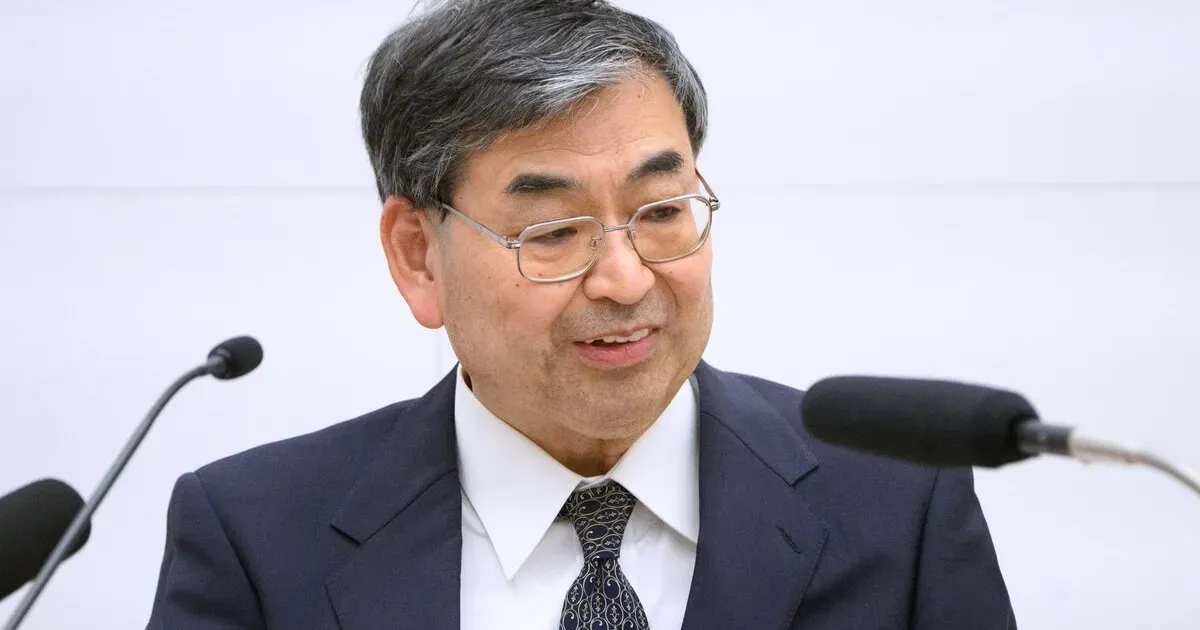
Toichiro Asada joined the Bank of Japan's policy board with a deliberately cautious message: policy should remain data dependent. By June, that caution had become a live vote. When the BOJ raised its benchmark rate to 1%, Asada dissented, arguing that downside risks to production and employment outweighed the upside risks to prices.
The sequence matters because Asada was not a random appointment. He and Ayano Sato were nominated by Prime Minister Sanae Takaichi's government, and markets read the choices as a sign that political pressure for slower tightening could increase. Asada's early language bought time. His June dissent showed how that caution would operate once the board had to choose.
Takaichi's Influence Is the Backdrop
Takaichi has been associated with reflationary policy preferences and a preference for caution on rate hikes. Her BOJ nominees therefore attracted immediate attention from investors watching whether Governor Kazuo Ueda's normalization path would slow or face more internal resistance.
The government does not set BOJ policy meeting by meeting, but appointments matter. Board members shape the vote, the debate and the signal sent to markets. A dovish member does not control the central bank, but even one dissent can change how investors price the next meeting.
Data Dependence Has Two Meanings
Central bankers often use data-dependent language because precision can become policy before the board is ready to vote. In Japan, the phrase carries extra weight. The BOJ is trying to exit years of ultra-loose policy without crushing a recovery that still depends on wages, consumption and corporate pricing behavior.
For Asada, data dependence provides flexibility. It lets him resist premature tightening without promising permanent opposition to rate hikes. The June dissent showed the practical version of that stance: he did not deny inflation risk, but he put greater weight on production and employment risks at that moment.
Wages and Prices Remain the Test
Japan's rate debate is no longer theoretical. Inflation has stayed above the old comfort zone, the yen's weakness has raised import-cost pressure and wage negotiations have become central to whether price growth can be considered durable. If wages rise broadly enough, the BOJ has more reason to continue normalization.
If consumption weakens, external shocks hit production or smaller firms cannot sustain pay gains, the case for caution grows stronger. The economic trade-off is why Asada's dissent cannot be dismissed as simple politics. It sits inside a real economic trade-off: inflation discipline on one side, fragile domestic momentum on the other.
Markets Wanted a Signal
Investors wanted to know whether Asada would push back against the BOJ's tightening cycle. The appointment offered a hint. The June vote gave them evidence. A 7-1 decision still showed a majority willing to move rates higher, but the dissent marked a clear dovish counterweight inside the board.
The dissent matters for the yen, Japanese government bonds and global carry trades. Japan's rate path is no longer a domestic footnote. Higher Japanese yields can pull capital back home, change hedging costs and unsettle trades built around cheap yen funding.
Independence Is Being Tested
The issue is not simply whether Asada is dovish. It is whether the BOJ can keep policy credibility while political leaders try to shape the board's center of gravity. Japan needs a central bank that can normalize without crushing a fragile recovery and pause without looking captured by government preference.
Asada's first months show the difficulty of that balance. He arrived speaking the language of data. He then used a vote to say which data worried him most. The real test comes at the next inflation surprise, wage round or market shock, when caution may either look like necessary patience or like resistance to the normalization Japan has already begun.