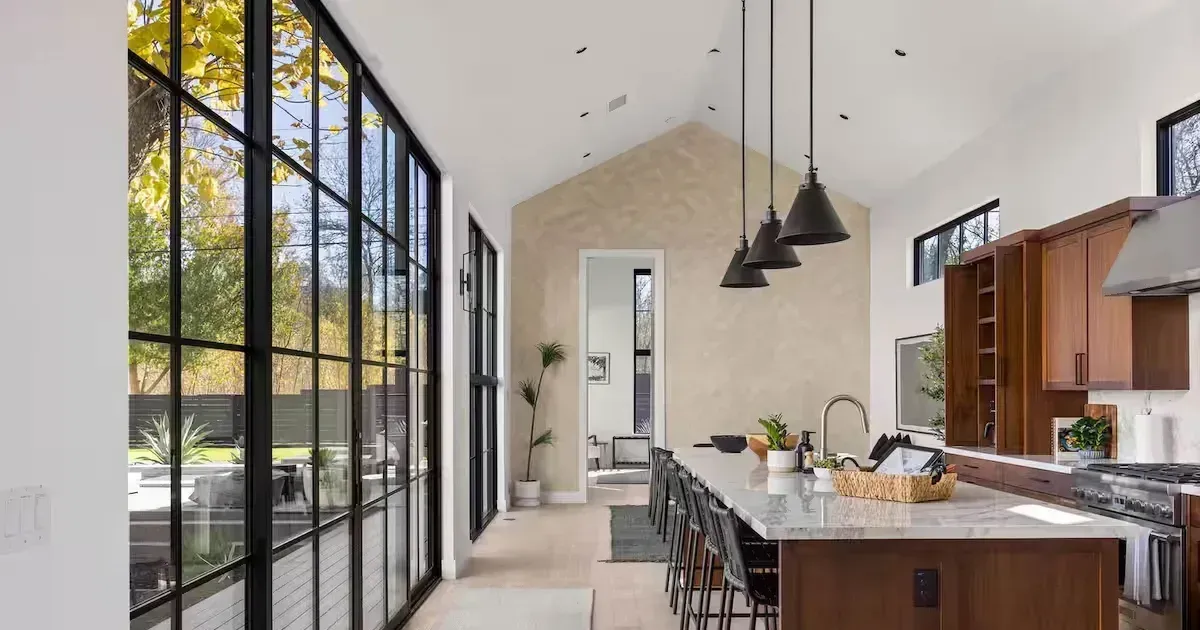
Austin has transformed from a quirky college town into a global destination for high-spending group travel. By 2026, the market for bachelorette party accommodations has moved beyond standard hotel blocks toward hyper-specialized short-term rentals. The rental shift was reported on March 13, 2026, as Austin operators chased higher-spending group travel. These properties now compete through aggressive amenity wars, offering everything from private speakeasies to professional-grade cold plunges. The demand for these spaces remains high despite a saturation of the broader travel market. Luxury estates in the Texas Hill Country and near Lake Travis now command nightly rates that often exceed five-star hotel suites. Economic data from early 2026 shows that the average bachelorette group in Austin spends roughly $1,800 per person over a four-day weekend. Much of this capital flows directly into the short-term rental system. Property owners have responded by investing millions into themed renovations. The rise of the pink mansion aesthetic is more than a design choice. It is a calculated response to the social media economy where the visual appeal of a rental serves as the primary marketing driver. These homes are designed to be photographed, with lighting and decor curated for maximum digital engagement. Ranch-style rentals provide a different utility for groups seeking privacy over downtown proximity. These sprawling estates often sit on several acres, allowing for loud celebrations without the risk of noise complaints from neighbors. In fact, the distance from the city center has become a selling point rather than a drawback. Large-scale properties frequently include outdoor kitchens, resort-style pools, and even private hiking trails. Investors are targeting these rural fringes because they face fewer zoning restrictions than residential neighborhoods in Central Austin.
Austin Rentals Move Upmarket
Lake Travis remains the premier destination for groups looking for a secluded, high-end experience. Waterfront properties here are more and more being outfitted with boat slips and jet ski rentals included in the base price. Many of these homes feature multi-level decks and floor-to-ceiling windows that offer panoramic views of the water. But the cost of entry for these lakeside retreats has surged alongside property taxes. Owners must maintain high occupancy rates to offset the overhead of maintaining complex waterfront infrastructure. Groups often split the cost of these rentals, which can range from $2,500 to $5,000 per night during peak spring months. This model makes luxury accessible to young professionals who might not otherwise book a private estate. The logistical ease of having ten to fifteen people in a single house outweighs the coordination required for multiple hotel rooms. To that end, rental managers are offering concierge services that coordinate grocery delivery and private chefs before the guests even arrive. Competition with Nashville for the title of the bachelorette capital of the South has forced Austin hosts to innovate. While Nashville leans into country music themes, Austin owners are pivoting toward wellness and tech-driven luxury. Modern rentals now feature infrared saunas and smart-home systems that allow guests to control every aspect of their environment via a tablet. Still, the core draw remains the ability to congregate in a private, aesthetically pleasing space.
Amenities Redefine the Weekend
Color-coordinated mansions have become a staple of the East Austin and South Congress neighborhoods. These properties use bold palettes and neon signage to create a curated atmosphere. Critics argue these rentals erode the character of historic districts, but the revenue they generate for the city is undeniable. Short-term rentals contribute a significant portion of the city's Hotel Occupancy Tax revenue. In particular, the $11 million collected from these properties in the last fiscal year has been earmarked for arts and cultural preservation.
Ranch-like rentals offer a contrast to the neon-lit urban mansions. These homes use natural materials like limestone and reclaimed wood to evoke a sense of place. Many are located in the Dripping Springs area, which has rebranded itself as the gateway to the Hill Country. Guests at these properties often visit nearby vineyards and distilleries, creating a localized tourism loop that benefits small businesses outside the city limits.
Austin has effectively commodified the celebration of marriage through high-end real estate that functions more like a private resort than a traditional home.
Speakeasies hidden behind bookshelves or within basements have become the latest must-have amenity for top-tier rentals. These spaces allow groups to host private cocktail hours without dealing with the crowds on Sixth Street. Some owners have even gone so far as to hire professional bartenders to staff these internal bars for a few hours each evening. This level of service blurs the line between traditional hospitality and independent rentals.
Regulation Shapes the Supply
The legal environment for short-term rentals in Austin remains in a state of flux. Recent rulings from the Texas Supreme Court have limited the ability of cities to ban these rentals outright in certain residential zones. This has emboldened investors to continue purchasing single-family homes for the sole purpose of conversion into party-friendly spaces. But the city has countered by enforcing stricter noise ordinances and occupancy limits. Fines for violations have increased, forcing hosts to be more selective about their guests. Neighborhood associations continue to lobby for tighter restrictions on non-owner-occupied rentals.
Spending patterns indicate that today's bachelorette groups prioritize experiences over traditional souvenirs. The shift has led rental owners to partner with local wellness providers. It is now common to see yoga instructors or mobile IV drip services arriving at these mansions on Saturday mornings. Such services are often bundled into the rental package or offered as premium add-ons through the booking platform. The goal is to provide a smooth, all-encompassing environment that minimizes the need for guests to leave the property. Cold plunges and hot tubs are no longer considered optional. In the heat of a Texas summer, these water features are the primary draw for groups looking to relax during the day. Property managers report that homes without a pool or high-end spa feature see a 30 percent lower booking rate during the summer months. To that end, significant capital is being funneled into backyard transformations that rival boutique hotels.
The shift toward luxury is a response to a more discerning consumer base. Guests are no longer satisfied with a basic house and a few extra beds. They expect high-thread-count linens, designer furniture, and gourmet kitchens. So the owners who fail to upgrade their properties are being squeezed out of the market by professional management firms. These firms bring a level of standardization and reliability that individual hosts often struggle to match.
Party Travel Becomes Real Estate Strategy
How much longer can a city sustain its soul when its residential core is being carved out for the benefit of weekend visitors? The rise of these bachelorette mansions is a symptom of a broader trend where real estate value is decoupled from local utility. We are seeing neighborhoods turned into sets for digital performance, where the priority is a backdrop for a photograph rather than a place for a family to live. It is not just a travel trend. It is the final stage of the commercialization of the American neighborhood.
While proponents point to the tax revenue and the support for local businesses, they ignore the social cost of displacement. The residents who actually build the culture that tourists come to see are being priced out by the very structures designed to house those tourists. Austin's obsession with being the next great destination has led it to sacrifice the very authenticity it once championed. If every street becomes a collection of pink mansions and speakeasies, the city ceases to be a community and becomes a theme park.
Investors may be reaping the rewards now, but the long-term cost to the social fabric of the city will be impossible to recover. The market will eventually correct, but the neighborhoods will never look the same.