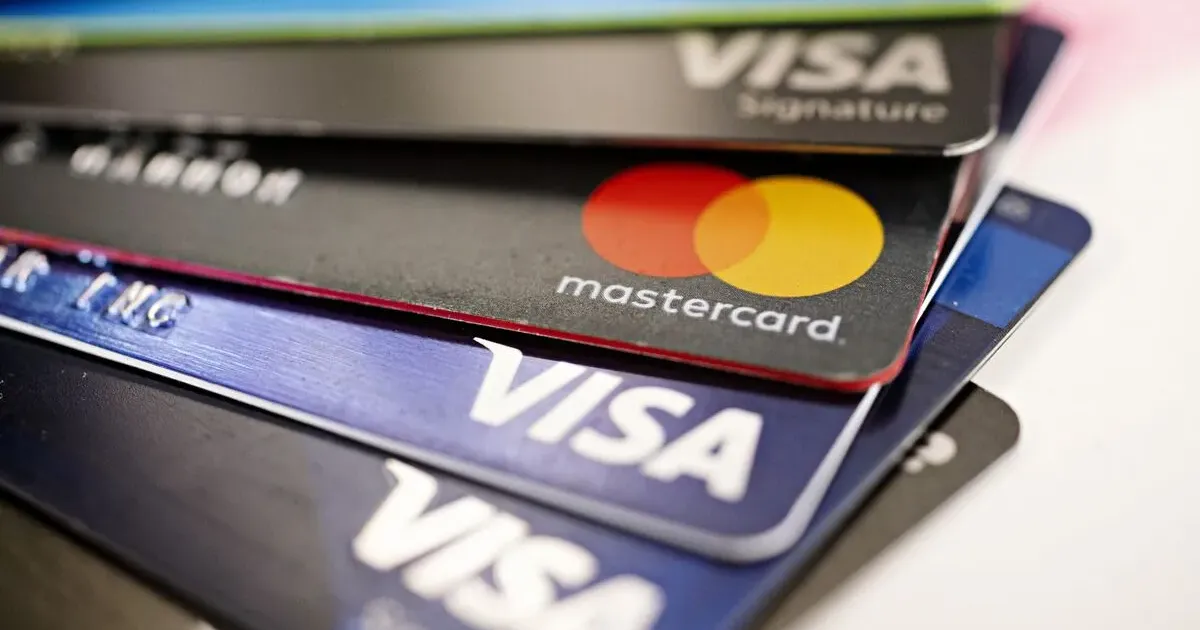
The Reserve Bank of Australia's card-surcharge ban will make checkout simpler, but it will not make payments free. From October 1, 2026, businesses will no longer be able to add surcharges on designated eftpos, Mastercard and Visa debit and credit card payments. The visible fee at the counter disappears; the fight over who pays moves deeper into the payments chain.
The reform package pairs the ban with lower interchange caps and stronger transparency rules for merchant fees. The pairing is the policy bet. If underlying fees fall and merchants can compare providers more easily, consumers get cleaner prices without small businesses taking the full hit. If fee reductions do not flow through, the cost will reappear in menu prices, service charges or thinner margins.
Surcharging Had Lost Its Original Purpose
Australia once treated surcharging as a way to make payment costs visible and push customers toward cheaper methods. The logic worked better when cash was common and different cards carried more obvious cost signals. In a mostly card-first economy, the same surcharge can feel less like information and more like a final-step surprise.
The RBA's view is that surcharging became confusing, poorly understood and often unavoidable. Many customers no longer experience card use as a premium choice. They experience it as the normal way to pay for coffee, groceries, taxis, online orders and professional services.
The Interchange Caps Matter Most
The reform is not just a ban. It lowers the fees that sit behind many card payments. Reported settings include tighter credit-card interchange caps and debit-card caps designed to reduce costs for merchants, especially smaller businesses that do not negotiate the best rates with banks and payment processors.
The upstream market is where the reform will succeed or fail. Large retailers already have bargaining power. Small cafes, independent shops and service providers often accept bundled deals they do not fully understand. If lower caps and clearer statements let those businesses challenge expensive providers, the ban has a chance to reduce real costs rather than hide them.
Consumers Get Cleaner Prices
For shoppers, the benefit is straightforward. The advertised price should be closer to the paid price. A customer should not reach the final tap screen and discover that the real cost is higher because a card fee has been added late in the transaction.
The timing of the fee matters for trust. A small surcharge can produce outsized irritation because it arrives after the customer has already decided to buy. Removing it makes pricing easier to compare and reduces the sense that every transaction carries a small trap.
Merchants Still Have To Recover Costs
Businesses will not stop paying for payment acceptance. They will either absorb the cost, negotiate lower fees or rebuild it into headline prices. Hospitality groups and small-business advocates are right to watch the margin effect closely because payment fees are not theoretical for high-volume, low-margin operators.
The reform may also affect customers who pay with cash or low-cost debit if businesses spread card acceptance costs across all prices. Critics therefore argue the ban could reduce fee visibility. The RBA is betting that lower upstream costs and competitive pressure will limit that problem.
Rewards And Premium Cards Face Pressure
Lower interchange fees can also weaken the economics of rewards cards. Banks and issuers often fund points, perks and premium card features from payment revenue. If that revenue falls, some benefits may be trimmed or fees may rise elsewhere.
The cross-subsidy does not make the reform wrong. It does show the cross-subsidy at the heart of card payments. When one group earns rewards, another group in the system usually pays for them through merchant fees and prices. The surcharge ban makes that transfer less visible unless transparency rules keep the pressure on providers.
The 2027 Transparency Phase Is Crucial
Some transparency and more complex implementation steps are scheduled beyond the October 2026 switch, with further measures expected in 2027. The later phase matters because a surcharge ban alone would be easy for the payments industry to absorb without changing enough behavior.
Australia is not eliminating card costs. It is forcing them out of the last-second checkout moment and into the contractual machinery between banks, card networks, acquirers and merchants. That is a better deal for consumers only if the upstream market becomes genuinely cheaper and easier to compare. Otherwise the surcharge disappears from the receipt and quietly returns in the price.