The Iran-war oil shock is pushing governments toward tools that do not usually sit in the same policy conversation. Australia is dealing with fuel inflation through excise relief, central-bank warnings and rate expectations. South Korea is weighing direct limits on driving if crude prices move beyond key thresholds. Both responses point to the same problem: energy shocks do not fit neatly inside normal economic policy.
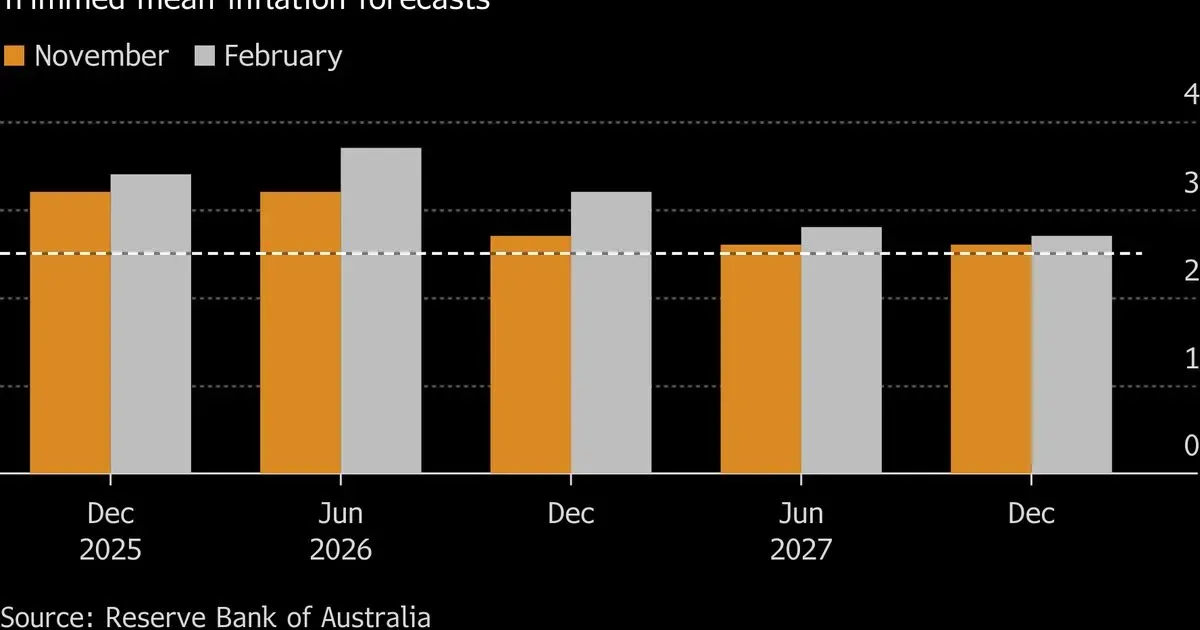
In Australia, the Reserve Bank's dilemma has become more acute as the war has dragged on. Fuel prices helped push headline inflation higher in the first half of 2026, the RBA raised rates several times, and by June the cash rate was at 4.35% with the board warning that more tightening could still be needed. In July, renewed U.S.-Iran fighting and higher crude prices revived expectations that the August meeting could bring another hike, especially as temporary fuel-excise relief moved closer to expiry.
Australia's Problem Is Monetary And Physical
The RBA can raise rates to cool demand and protect inflation expectations. It cannot produce oil, reopen shipping lanes or lower diesel costs for freight. An oil shock is therefore an awkward central-bank problem. Tighten too much and growth weakens while the original supply shock remains. Do too little and fuel inflation can bleed into wages, rents, groceries and business pricing.
The federal fuel-excise cut softened some of the immediate pain, but it also complicated the signal. Cheaper fuel helps households and freight operators. It can also keep demand higher than it would be if prices were allowed to do all the rationing. That tradeoff is politically unavoidable during a cost-of-living crisis, but it is still a tradeoff.
South Korea Is Looking At Demand Control
South Korea's discussion is more direct. Officials signaled in March that driving restrictions could be extended to the general public if oil prices breached about $120 a barrel. The country has historical memory here. After the 1990 Gulf War, South Korea used a rotating vehicle-restriction system in 1991 to reduce fuel consumption.
That kind of policy admits what interest rates cannot. When fuel supply is under threat, governments may have to manage demand physically, not only financially. A driving curb is disruptive and politically risky, but it can conserve fuel for hospitals, freight, emergency services and key industry if the alternative is rationing by price alone.
Import Dependence Decides The Tool Kit
South Korea's exposure is structural. Its industrial economy depends on imported energy, petrochemicals and steady shipping. A prolonged Strait of Hormuz crisis raises costs for manufacturers, threatens export competitiveness and complicates power planning. Delaying coal-plant shutdowns or considering driving restrictions may look direct, but those tools reflect a country with little patience for fuel scarcity in its industrial base.
Australia has different vulnerabilities. It can benefit from commodity exports and has more space in some parts of the economy, but it remains heavily exposed to imported refined fuel and long road distances. The same shock therefore shows up as petrol relief, freight support, inflation pressure and household confidence damage at once.
Central Banks Cannot Fix Chokepoints
The contrast between the two countries is valuable because it shows the limits of standard inflation language. Central banks can manage expectations. Finance ministries can cut taxes. Transport departments can waive fares or restrict driving. None of them can make the Strait of Hormuz secure, expand refinery output overnight or remove shipping insurance risk.
Oil shocks therefore produce policy confusion. Governments want to lower household pain, but cheapening fuel can raise demand. They want to fight inflation, but rate hikes do not solve supply shortages. They want to conserve energy, but driving curbs anger voters and hurt small businesses. Every option works against another objective.
Energy Security Becomes A Real Policy Test
Australia and South Korea are not reacting irrationally. They are reacting late to vulnerabilities that were visible for years: long supply chains, imported fuel dependence and transport systems built around cheap energy. The barrel is now setting the terms, and interest rates, tax cuts and driving rules are only attempts to live inside them.
Energy security is not a slogan during a crisis. It is the difference between policy choice and policy panic. Countries with more flexible transport, cleaner freight, deeper reserves and diversified energy systems have more room to maneuver. Countries without those buffers discover that the market is efficient only while the route stays open.