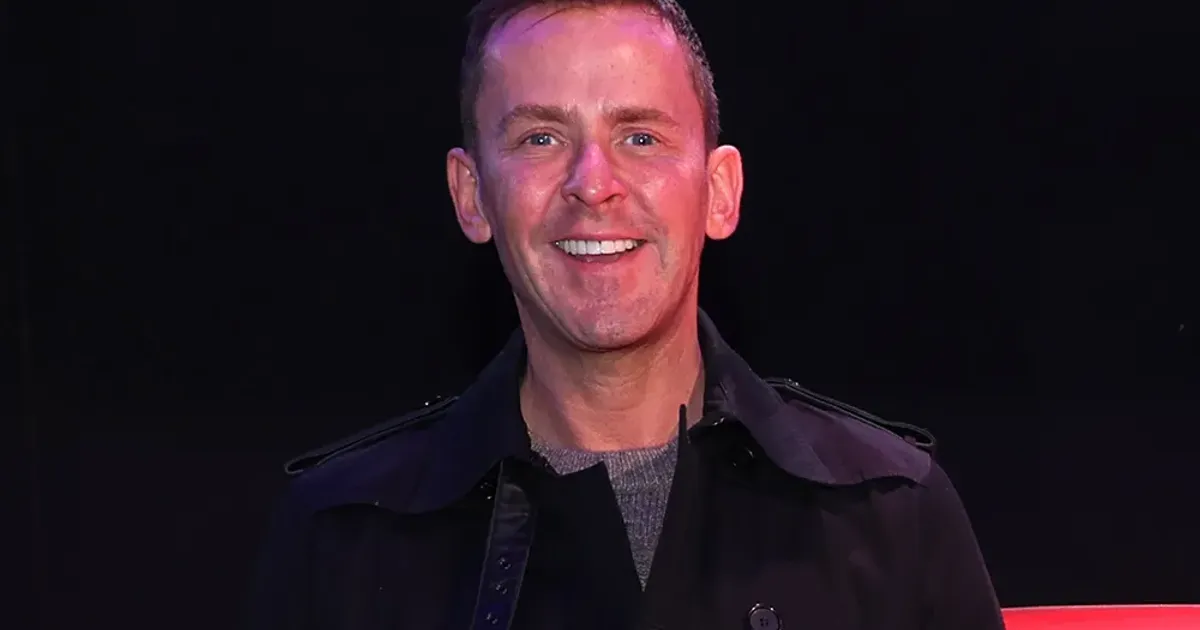
The contract decision turns a personnel matter into a public trust issue. Process and standards now sit at the center of the story. Broadcasting veteran Scott Mills officially ended his tenure at the BBC on March 30, 2026; allegations regarding his personal conduct forced an immediate contract termination. Listeners first sensed a disruption when Gary Davies appeared in the afternoon slot on March 25 without prior notice to the audience. Mills had concluded his broadcast on March 24, 2026, with a routine promise to return the following afternoon. That return never materialized, leaving a vacuum in one of the most top schedules in British media.
BBC Radio 2 executives moved with clinical efficiency to remove the host from their digital and physical rosters. Variety reported that the presenter is no longer under contract and has permanently left the corporation. Confirmations of his departure cited personal conduct as the primary reason for the severance. While the specific nature of the allegations remains shielded by confidentiality agreements, the decision to void a long-term contract suggests a serious breach of the organization's internal standards. Silence from the press office regarding the details has only fueled intense industry speculation.
While we do not comment on matters relating to individuals we can confirm Scott Mills is no longer contracted and has left the BBC.
BBC spokesperson officials provided this statement to clarify the host's employment status without elaborating on the underlying cause. Organizational policy prevents the disclosure of specific disciplinary details unless legal proceedings begin. Such ambiguity often serves to protect the corporation from defamation claims while allowing for swift action against talent. Precedence for these sudden exits has increased as the broadcaster tightens its internal compliance frameworks. Executive leadership refuses to tolerate any behavior that might jeopardize the public funding model.
Recent ratings showed that the afternoon program was still a powerhouse in the UK radio market. Data from RAJAR indicated a steady hold on millions of listeners who tuned in for a mix of humor and music. Any prolonged vacancy or perceived instability could drive these listeners toward Global or Bauer Media alternatives. Success in the radio industry relies on consistency and the reliability of the daily routine. The current schedule reflects an emergency posture rather than a long-term plan.
Personal Conduct Allegations and BBC Protocol
Personal conduct clauses in BBC contracts have become increasingly stringent over the last decade. These provisions cover everything from social media usage to interpersonal behavior within the workplace. Managers have been under pressure to demonstrate a zero-tolerance approach following several high-profile scandals involving on-air talent. Accountability has become a central foundation of the corporation's public-facing identity. Every staff member is subject to the same rigorous scrutiny regardless of their status or popularity.
Reports suggest the internal inquiry was conducted by a specialized team away from the daily operations of Radio 2. This distance ensures that personal relationships do not interfere with the objective assessment of the evidence. When allegations involving conduct arise, the standard procedure involves an initial suspension followed by a formal hearing. The speed of the Mills exit implies that the evidence presented was incontrovertible and required immediate action to reduce reputational risk. Legal teams typically review these decisions to ensure compliance with employment law.
Corporate culture at the broadcaster has shifted toward a more corporate, less personality-driven model in recent years. The change aims to reduce the leverage that star presenters hold over the organization. By enforcing strict conduct codes, the BBC asserts its authority over individuals who might otherwise believe they are essential. The result is a more disciplined but perhaps less colorful broadcasting environment. High-profile exits serve as a deterrent to others within the organization.
Corporate Accountability at the BBC
Political pressure on the broadcaster often manifests through critiques of its internal management and talent costs. Any scandal involving a major presenter provides ammunition for those who wish to see the license fee abolished or reduced. So, the board of directors prioritizes rapid resolution of conduct issues to prevent them from becoming national political debates. Efficiency in these matters is often viewed as a sign of healthy institutional governance. The Mills case is a primary example of this new operational reality.
Presenters at the station now operate in an environment where their off-air lives are as scrutinized as their on-air performances. Social media has erased the boundary between private behavior and public persona, making it impossible for broadcasters to ignore external allegations. Every interaction is a potential liability for a taxpayer-funded entity. Managing this risk requires constant vigilance and a willingness to sever ties with even the most popular figures. Survival of the institution outweighs the career of any single individual.
Future recruitment for the afternoon slot will likely involve a deep-dive vetting process. Candidates must prove not only their broadcasting talent but also their adherence to the stringent moral and ethical codes required by the modern BBC. Finding a presenter who can deliver high ratings without the risk of conduct issues is a difficult balancing act. The talent pool is shrinking as more presenters opt for the freedom of independent podcasting or commercial radio. Radio 2 remains a prestigious destination but comes with meaningful personal and professional restrictions.
BBC Contract Fallout
The BBC case turns on trust in process. When a public broadcaster ends a contract without full detail, the absence of explanation can become part of the story.
Audience reaction will depend on whether the decision appears consistent with past standards. The corporation has to manage both employment confidentiality and public accountability.