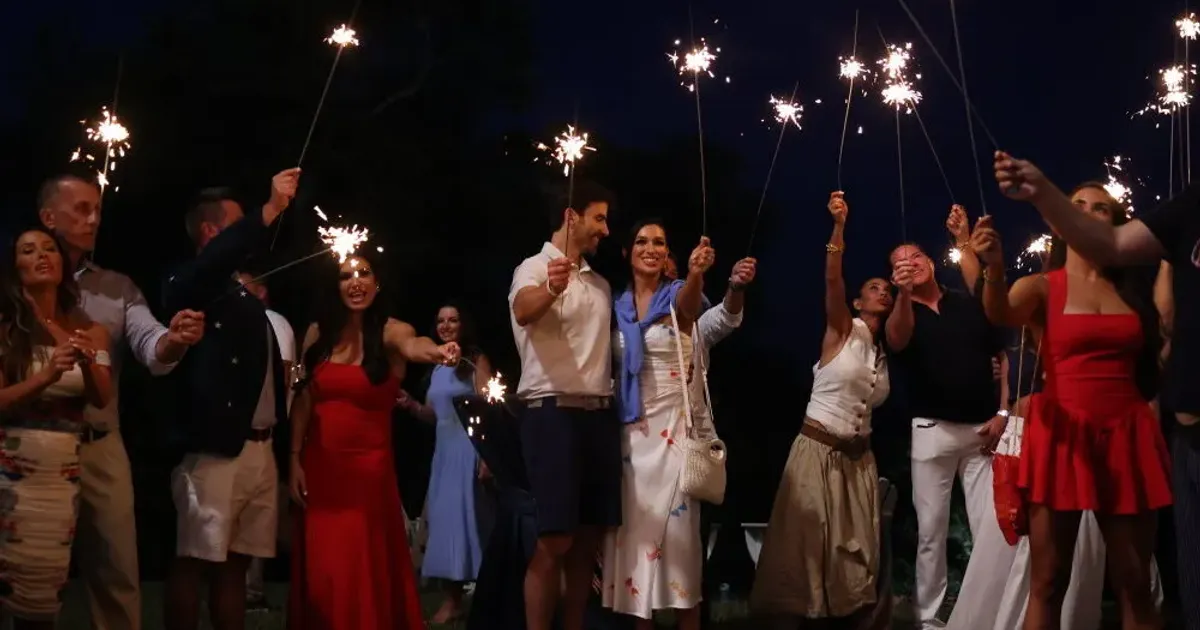
Bravo chose Rhode Island at a moment when regional identity has become valuable television currency. The franchise move is more industry signal than cultural watershed. Bravo Media executives announced on March 30, 2026, that the inaugural episode of The Real Housewives of Rhode Island indicates a major geographic pivot for the cable network. Producers chose the smallest state in the union to anchor their latest expansion, focusing on the friction between historical Newport wealth and the rising professional class in Providence. Bravo seeks to replicate the success of its coastal predecessors while tapping into a distinct New England social hierarchy. Casting directors spent over eighteen months scouting local figures who could sustain the multi-episode arcs required for a flagship series. This expansion comes at a time when traditional cable properties are struggling to maintain viewership numbers against aggressive streaming competitors.
Rhode Island offers a unique backdrop of Gilded Age mansions and rugged coastal aesthetics that differentiates it from the suburban sprawl of New Jersey or the polished artifice of Beverly Hills. Network sources indicate the first season focuses heavily on a group of women with ties to the yachting industry and high-end real estate development. Viewers can expect a departure from the high-octane drama of the Salt Lake City iteration in favor of a more subdued, transactional brand of social conflict.
Producers hope the authenticity of the local culture will resonate with a national audience increasingly weary of overproduced reality tropes. Rhode Island residents have already voiced varied opinions regarding the production crews that took over Bellevue Avenue during the summer filming season.
Rhode Island Casting and Regional Aesthetic Shifts
Selection criteria for the new cast prioritized established social standing over social media influence, marking a return to the franchise's early roots. Many of the featured women represent families with decades of local history, bringing a sense of permanence to a genre often criticized for its fleeting stars. While New York and Atlanta remain the gold standards for the brand, the Rhode Island production aims for a niche sophistication. Market research suggests that viewers in the Northeast corridor are particularly loyal to regional programming. Production costs for the first season reportedly totaled $12 million, reflecting the high price of filming in exclusive private clubs and historic landmarks.
"Our goal is to bring viewers into the exclusive world of New England high society through a lens they have never seen before," a spokesperson for Bravo Media stated during the project announcement.
Technical staff used advanced drone cinematography to capture the Narragansett Bay coastline, elevating the visual quality of the series beyond standard reality television fare. Such investments are necessary as the parent company, NBCUniversal, tries to drive subscriptions to its Peacock streaming service. The premiere episode introduces five principal cast members, each representing a different facet of the state's economic engine. One cast member manages a leading art gallery in the East Side of Providence, while another is married to a legacy textile magnate. These disparate backgrounds provide the necessary tension for the season's primary narrative arcs.
Apple TV Plus Expands Jon Hamm Thriller Series
Simultaneously, the second season of Your Friends & Neighbors debuts on Apple TV Plus, bringing Jon Hamm back to the small screen in a critically recognized role. The series, which blends suburban tension with psychological thriller elements, has become a foundation of the platform's prestige drama slate. Hamm plays a character entangled in the secret lives of his affluent neighbors, a role that has earned him meaningful awards buzz since the first season premiered. Subscriptions to Apple TV+ have seen a steady increase as the company doubles down on high-budget original content featuring A-list Hollywood talent. Writers for the show have promised a darker turn in the new episodes, exploring the consequences of the first season's cliffhanger ending.
Production for the second season moved to various locations in upstate New York to capture a more isolated, claustrophobic atmosphere. Apple executives have remained tight-lipped about the specific plot points, though leaked set photos suggest several new high-profile guest stars. The transition from the first season's setup to the second season's expansion is a serious commitment from the tech giant. Most streaming platforms are cutting back on expensive scripted content, but Apple continues to fund projects with high production values. This strategy aims to position the service as the modern equivalent of HBO's legacy cable reign.
Economic Dividends of New England Production Hubs
Film tax credits played a meaningful role in bringing both of these major productions to the Northeast region. Rhode Island authorities have worked aggressively to modernize their incentive programs to compete with neighboring Massachusetts and New York. These credits can cover up to 30 percent of local production costs, making the state an attractive destination for major networks. Local businesses in Newport reported a 15 percent increase in revenue during the months when the Bravo crews were active. This influx of capital supports catering companies, security firms, and transportation services throughout the state. Political leaders often cite these statistics when defending the use of public funds to attract Hollywood studios.
Reality television remains one of the most cost-effective genres for cable networks to produce. Scripted dramas like the Jon Hamm vehicle require enormous investments in writing, acting talent, and post-production. Bravo's model relies on lower upfront costs and higher profit margins through integrated advertising and social media engagement. Advertisers are willing to pay a premium for slots during Real Housewives episodes because of the highly engaged, affluent demographic they reach. Data from the previous year shows that the franchise remains a top-five earner for NBCUniversal's cable division. Rhode Island is the next logical step in sustaining this revenue stream.
Streaming platforms face different pressures, focusing on long-term subscriber retention rather than overnight Nielsen ratings. Your Friends & Neighbors is a "sticky" property that keeps viewers from canceling their monthly payments. The interaction between these two very different types of television highlights the current fragmentation of the media market. While one relies on the spectacle of real-life conflict, the other leans into cinematic storytelling and star power. Both are competing for the limited attention spans of an audience with more choices than ever before. Television viewing habits continue to shift toward on-demand consumption, even for traditionally linear reality shows.
Reality Television Economics
Does the world really need another Real Housewives franchise, or is Bravo simply mining the bottom of the cultural barrel for remaining grains of relevance? The decision to plant a flag in Rhode Island smells of desperation, a frantic attempt to manufacture exclusivity in a state better known for its corrupt municipal politics than its high-fashion socialites. By invading the quiet enclaves of Newport, Bravo is not just documenting culture, they are actively degrading it by rewarding the most vapid residents with national platforms.
The network is essentially cannibalizing its own brand by saturating the market until the very concept of a "housewife" becomes a parody of a parody. It is not prestige television, it is a race to the bottom of the intellectual ocean.
Apple TV Plus, by contrast, represents the hubris of big tech attempting to buy cultural cachet through sheer force of capital. Casting Jon Hamm is a safe, uninspired move that prioritizes name recognition over creative risk. While the production values are clearly high, the soul of the project feels manufactured in a Cupertino boardroom. The evidence points to the death of the mid-budget creative experiment in favor of either low-brow reality filler or high-gloss corporate vanity projects. The middle ground has vanished, leaving viewers to choose between the circus and the museum. Expect the Rhode Island experiment to be a one-season wonder that leaves a trail of ruined reputations in its wake.