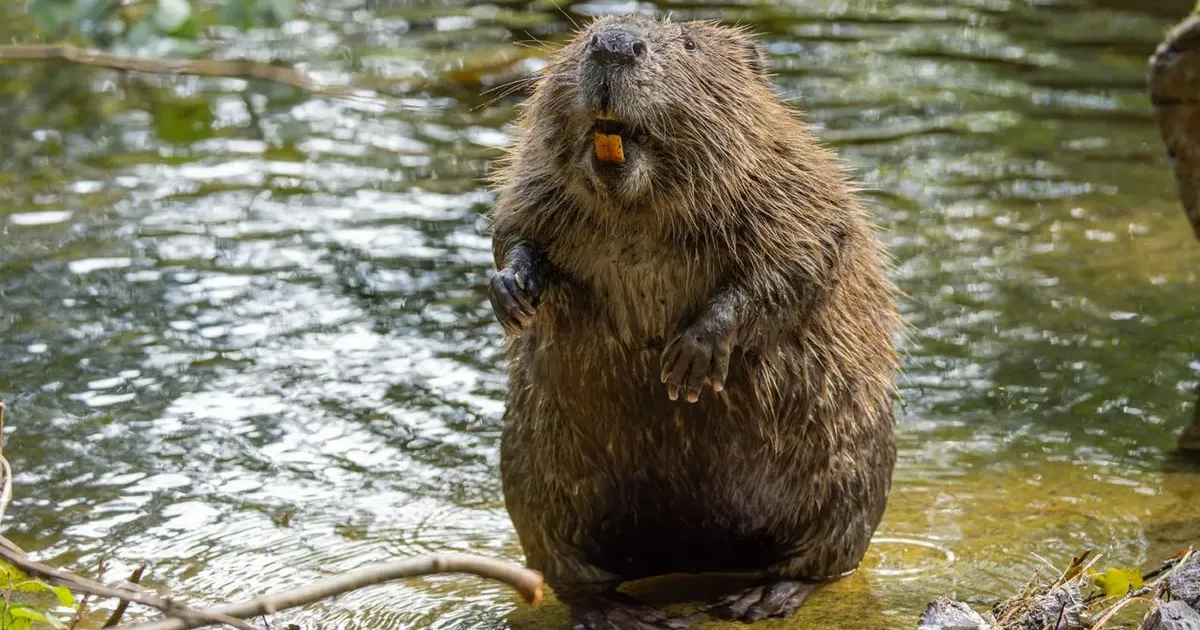
Swiss environmental scientists revealed on March 22, 2026, that castor fiber populations are reshaping European river systems into high-efficiency carbon traps. Research focusing on beaver-engineered wetlands in Switzerland demonstrates that these rodents create natural filters capable of sequestering atmospheric carbon at rates that dwarf traditional forest management. By constructing intricate dam networks, beavers force water into floodplains, slowing its velocity and allowing organic sediment to settle into deep, saturated layers.
Natural sediment trapping occurs as the flow of a stream hits the obstruction of a dam. Organic matter including leaves, wood, and aquatic plants remains trapped in the pond instead of washing downstream to be oxidized or released. Under the cold, low-oxygen conditions of a beaver pond, this organic debris decomposes at a glacial pace, effectively locking carbon underground for decades.
One specific wetland site in the Swiss countryside was monitored for 13 years to track these shifts in soil composition. Over that period, the study found the area had accumulated 1,000 tonnes of carbon. This total is a sequestration rate ten times higher than that of adjacent stream sections where beavers were absent. Such high density storage highlights the potential for biological interventions in global climate strategies.
Swiss Research Quantifies Carbon Storage Success
Data released by the researchers suggests that beaver ponds act as long-term vaults for organic materials. Unlike typical riverbanks, which are frequently eroded by fast-moving water, the pond floor becomes a stable environment for silt accumulation. These layers of silt can reach several feet in depth, creating a dense peat-like substance over time. Carbon remains trapped in this anaerobic muck rather than returning to the atmosphere as CO2.
But the benefits extend beyond simple storage. The complex geometry of a beaver dam creates diverse micro-habitats that support many microbial life. Some of these microbes are responsible for breaking down nitrogen-based pollutants, which improves overall water quality. While the primary focus of the research was carbon, the secondary ecological benefits were equally pronounced in every measurement taken.
In fact, the study indicated that a single beaver colony could influence several kilometers of a river system. By elevating the water table, the animals turn dry, carbon-poor meadows into lush, carbon-rich wetlands. The surrounding vegetation grows more vigorously in these moist soils, pulling even more carbon from the air through photosynthesis. Plants in these areas showed a 40 percent increase in biomass compared to baseline figures from 2013.
Hydrological Shifts Drive Methane and Carbon Balance
According to the research team, the balance between methane release and carbon storage is a critical factor in wetland health. Saturated soils sometimes produce methane, a potent greenhouse gas, through the action of specific bacteria. Yet the sheer volume of solid carbon buried in the sediment outweighs the warming potential of any emitted methane. The net result is a major cooling effect on the local environment.
Water temperature also matters in the stability of these carbon sinks. Beaver ponds tend to stay cooler than shallow, fast-running streams during the summer months due to the thermal mass of the stored water. This cooler temperature slows the metabolic rates of decomposer organisms, which further prevents the breakdown of organic matter. Stable temperatures contribute directly to the longevity of the sediment beds.
Separately, the physical structure of the dam helps reduce the impacts of extreme weather. During heavy rainfall, the dams act as shock absorbers, holding back floodwaters and preventing the scouring of riverbeds. This protects the carbon-rich silt from being washed away during seasonal storms. Every dam acts as a pressure valve for the entire watershed.
Cost Benefits of Natural Engineering Solutions
Estimates for artificial carbon capture technology often run into the hundreds of millions of dollars per facility. For one, beavers perform this engineering work for the price of a few willow branches and aspen logs. The Swiss study suggests that reintroducing beavers is one of the most cost-effective methods for landscape-scale climate restoration available to governments today. Minimal human intervention is required once a colony establishes its territory.
Still, the integration of beavers into human-dominated landscapes is not without logistical friction. Landowners often worry about the flooding of agricultural fields or the destruction of timber. Local governments must weigh these property concerns against the broader environmental gains of carbon sequestration. Mitigation strategies like pond levellers and tree guards can resolve most conflicts without removing the animals.
Many European nations are now reconsidering their beaver management policies given these carbon storage findings. Great Britain and Germany have already initiated pilot programs to re-wild certain river corridors. The Swiss data provides the first long-term empirical evidence needed to justify these large-scale reintroduction efforts. Natural engineering is proving to be a tough ally in the fight against rising emissions.
Global Scaling of Rodent Restoration Projects
Researchers discovered that the carbon sequestration potential of beaver wetlands is consistent across different climates and altitudes. Whether in the high Alps or the lowlands of the United Kingdom, the mechanical process of sediment trapping remains identical. The consistency makes beavers a versatile tool for varied geographical regions. Expanding these populations could create a patchwork of carbon sinks across the Northern Hemisphere.
To that end, the Swiss study is a blueprint for other nations looking to enhance their natural capital. Policy makers are increasingly viewing wildlife not just as objects of conservation, but as active participants in climate mitigation. The economic value of the carbon stored in the Swiss test site exceeded the cost of all local flood damage by a factor of five. Financial logic is beginning to favor the beaver.
Even so, the permanence of these sinks depends on the continued presence of the beaver colonies. If a dam is abandoned and fails, the stored sediment can dry out and release its carbon back into the system. Continuous monitoring and habitat protection are necessary to ensure that these natural vaults remain sealed for the long term. Wildlife management is now a matter of atmospheric security.
The Elite Tribune Perspective
Why are we spending billions on carbon-capture fans when a four-legged rodent does it for free? The obsession with high-tech, industrial solutions to climate change reveals a deep arrogance in modern policy making. We have ignored the most efficient hydrological engineers on the planet for centuries, treating them as pests or pelts rather than partners. Data from Switzerland is an indictment of our refusal to let nature manage itself. If we were serious about sequestration, we would be seeding every riverbed in the Northern Hemisphere with willow stakes and releasing beaver pairs by the thousands.
Instead, we bicker over property rights and culvert drainage while our atmospheric targets slip out of reach. There is no machine more capable of repairing a watershed than the creature that evolved to do it. It is time to stop pretending that concrete and steel are superior to biological engineering. The beaver does not require a subsidy, a carbon tax, or a maintenance contract. It only requires the space to work. The reluctance to hand over the reins of land management to nature is the only thing standing between us and a more resilient planet.