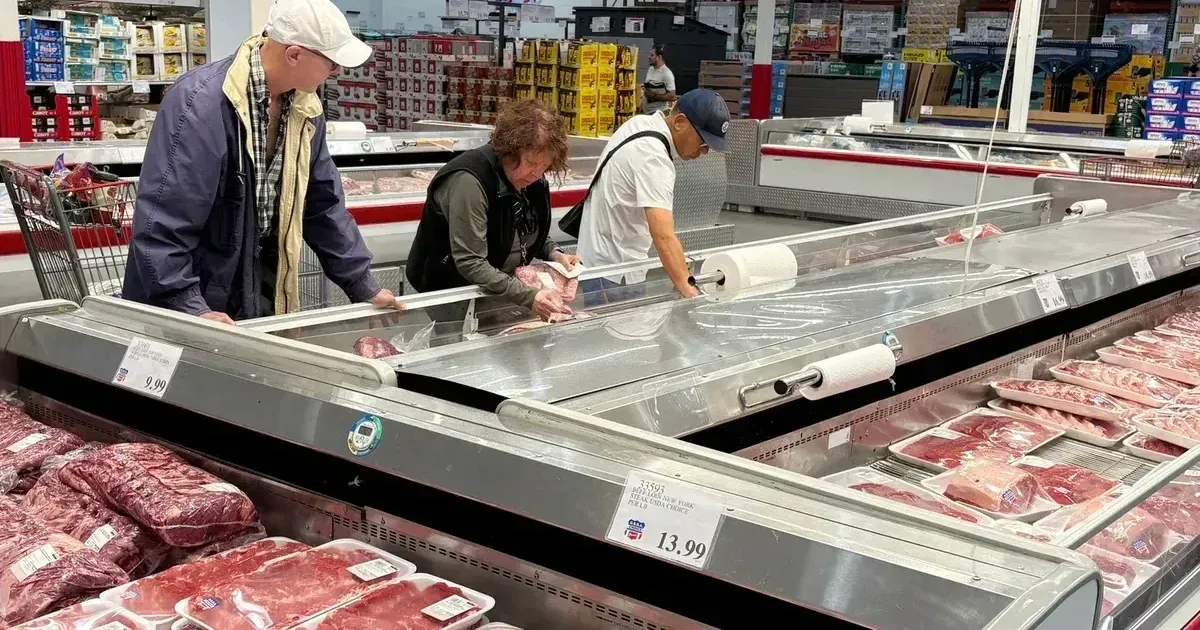
Beef markets flashed a new inflation warning. The move gives grocery inflation another channel into household budgets. The price signal matters because beef is a staple purchase, not a luxury indicator. On April 15, 2026, Chicago Mercantile Exchange traders watched as live cattle futures contracts climbed to unmatched levels. Prices for the essential commodity have surged more than 25% over the last 12 months. Financial analysts at major brokerage houses report that the cost of beef production is outpacing historical norms by serious margins. These market movements reflect a tightening supply chain that shows no signs of immediate relief. Market participants anticipate even higher volatility as the prime grilling season begins across the Northern Hemisphere.
Beef producers across the Great Plains continue to struggle with a complex set of financial pressures. Costs associated with diesel fuel, fertilizer, and supplementary feed have eroded the profit margins of small to mid-sized operations. Ranchers have responded by reducing the size of their herds to preserve liquidity. This widespread liquidation has resulted in the smallest national cattle inventory since the mid-twentieth century. Market data from the Chicago Mercantile Exchange indicates that the contract for June delivery is trading at levels unseen in the history of the exchange.
Feed Costs Pressure Independent Ranchers
Grain prices remain a primary driver of the current cattle market imbalance. Corn, which is the foundational calorie source for feedlot finishing, has seen price swings that make long-term planning difficult for cattlemen. Hay shortages in key grazing states like Oklahoma and Texas have forced producers to buy expensive forage from distant regions. Many family-owned ranches chose to sell off breeding heifers in 2025 to avoid the crushing expense of winter feeding. Removing these females from the production cycle guarantees that the supply of calves will remain low for at least three years.
Biological constraints dictate the pace of any eventual recovery in the beef sector. A cow requires nine months of gestation followed by nearly two years of growth before a steer is ready for processing. Current financial incentives favor immediate sale over long-term herd expansion. The $11 billion in total market capitalization for cattle futures reflects the high-stakes of this supply crunch. Interest rates also complicate the situation. Higher borrowing costs mean that the expense of financing a new herd is nearly double what it was five years ago.
National Herd Inventory Hits Historic Lows
Department of Agriculture reports confirm that the total number of cattle in the United States has dropped to a level that alarms industry observers. Low inventory numbers typically lead to higher wholesale prices which eventually reach the grocery aisle. Beef prices at the retail level have already climbed 15% since January. Consumers are beginning to see the impact in the price of ground beef and premium cuts alike. While some shoppers are switching to cheaper proteins like poultry, the demand for high-quality steaks remains surprisingly resilient.
Processing facilities are also feeling the weight of the shrinking supply. Packing plants require a steady flow of animals to maintain operational efficiency and labor productivity. When the supply of market-ready cattle drops, these large facilities must reduce their shifts or pay a premium to secure the remaining animals. JPMorgan Chase analysts noted in a recent brief that the competition for limited supply is driving cash prices higher in every major cattle-producing region. This competition creates a feedback loop that continues to push futures contracts upward.
A National Cattlemen’s Beef Association spokesperson attributed the reduction in herd sizes to unsustainable operating expenses and weather patterns.
Weather patterns have indeed played a role in the long-term contraction of the cattle industry. Successive years of drought across the Western United States decimated natural grasslands and forced ranchers to rely on expensive alternatives. Even when rain returns, it takes years for pastures to recover enough to support a full herd. Many producers who liquidated their herds during the dry years have not yet returned to the market. Financial barriers to entry have become too high for the next generation of independent cattlemen.
Grocery Price Pressure
A high-quality steak risks becoming a luxury reserved for wealthier consumers. The current trajectory of the cattle market suggests the era of cheap beef is over. The evidence points to a fundamental reconfiguration of the protein economy where the independent rancher is being squeezed out by systemic costs and corporate consolidation. The oligopoly of the four major meatpacking firms has created a bottleneck that prioritizes shareholder returns over the long-term stability of the food supply. While cattle prices are at records, the average rancher is still one bad season away from bankruptcy. It is a fragile system masquerading as a steady market.
Investors should look past the current futures surge and examine the underlying destruction of the American herd. A 25% jump in price is not a sign of a healthy industry; it is a symptom of a supply-chain in terminal decline. If the national inventory continues to shrink, the United States will eventually transition from a global beef powerhouse to a net importer. Policymakers who ignore the financial plight of the independent producer are inviting a permanent food security crisis. For many households, beef is becoming a less frequent purchase and an increasingly visible marker of food-price pressure.