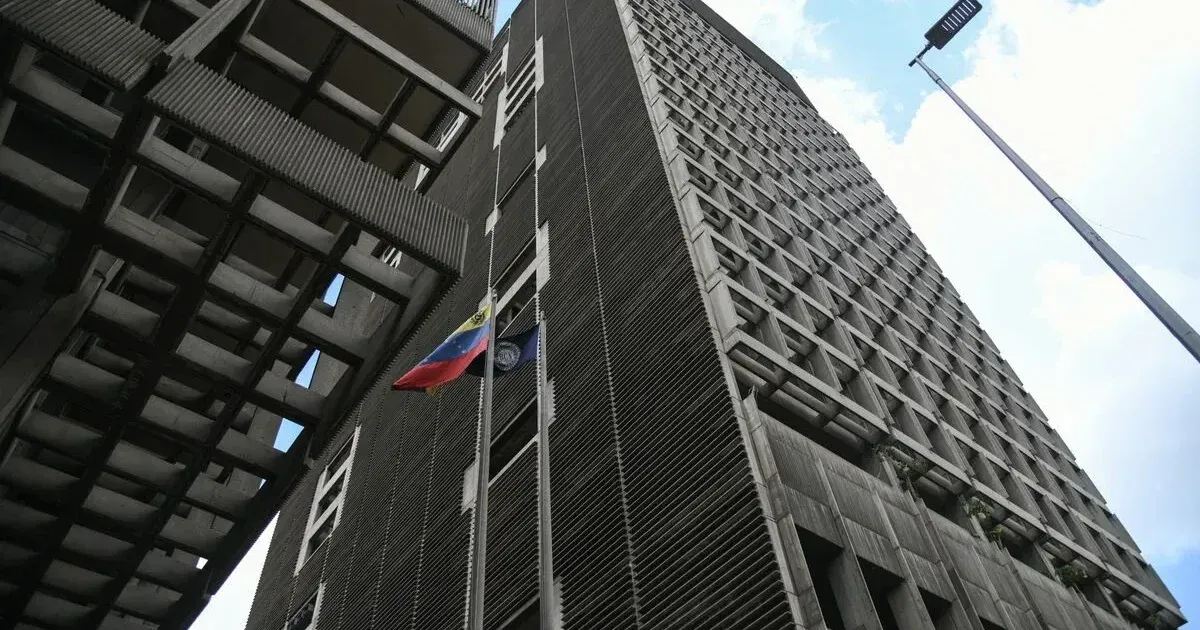
Venezuela’s central bank transition arrived during a delicate sanctions and reintegration debate. The appointment of Vice President Perez gives monetary policy an immediate political edge. Delcy Rodriguez announced on April 17, 2026, that the head of the Central Bank of Venezuela has formally resigned from his position. Perez, the bank’s enduring vice president, assumes the primary leadership role immediately to provide administrative continuity. Interim President Delcy Rodriguez confirmed the transition during a briefing in Caracas, suggesting the change aligns with a broader restructuring of the financial sector. Recent actions by Washington to ease sanctions played a direct role in the timing of this leadership vacuum. Treasury officials recently allowed the Central Bank of Venezuela to reconnect with the international financial system, ending years of forced isolation.
Sanctions Relief and International Banking Access
Access to the SWIFT network represents the most meaningful change in the bank's operational capacity since the initial sanctions regime began in 2019. Rejoining the global interbank messaging system allows for the processing of stalled transactions worth billions of dollars. Economic data from the previous quarter indicates that Venezuela’s domestic markets stay volatile despite the diplomatic thaw. Outgoing leadership faced intense pressure to stabilize the bolivar while managing hyperinflationary cycles that eroded local purchasing power. Perez must now oversee the technical integration of Venezuelan accounts back into the global clearinghouse structures.
Analysts at major investment banks note that the leadership changes could signal a shift toward more technocratic management. Sanctions relief specifically targets the bank’s ability to handle essential imports of food and medicine. Private sector leaders in the country expressed hope that the new governor will prioritize currency predictability. Financial records show that $100 billion in assets remained frozen or inaccessible during the peak of the sanctions era. International creditors are closely watching the transition for any sign of debt restructuring talks. Political tension in the region persists as the interim government attempts to balance domestic needs with international regulatory demands.
Leadership Transition Within the Central Bank
Establishing a new hierarchy at the central bank follows months of quiet negotiations between Caracas and international financial bodies. Outgoing officials often cited the inability to clear dollar-denominated trades as the primary hurdle for national recovery. Washington’s decision to issue General License 44 provided the legal framework necessary for this reconnection to occur. Compliance teams in New York and London are currently reviewing the updated protocols for interacting with Venezuelan state entities. Perez brings years of internal experience to the role, having served as Vice President during the most difficult periods of the economic collapse. His appointment is a move to maintain stability rather than introduce radical reform.
“The reconnection to international financial markets requires a leadership structure capable of managing complex regulatory compliance,” an official report from the interim presidency stated.
Technical experts from the International Monetary Fund have previously advised that central bank independence is a requirement for long-term stability. Venezuela has historically struggled with executive interference in monetary policy, leading to the world's highest inflation rates for several consecutive years. Currency reserves at the bank consist largely of gold and special drawing rights, many of which were tied up in legal battles in European courts. The new leadership must navigate the legal complexities of reclaiming these assets while adhering to strict anti-money laundering guidelines. Failure to meet these international standards could trigger a snapback of U.S. sanctions.
Perez Takes Command of Monetary Policy
Monetary policy under the new regime is expected to focus on curbing the growth of the money supply. Excessive printing of bolivars in previous years led to a total loss of confidence in the local currency. Dollarization has become the de facto reality for most Venezuelan businesses and consumers. Perez will likely continue the policy of gradual intervention in the exchange market to prevent sudden devaluations. Banking officials in Caracas reported a slight uptick in commercial credit applications since the sanctions news broke. Foreign exchange houses anticipate a period of adjustment as the bank transitions to its new leadership structure. International oil companies operating in the Orinoco Belt require a functional central bank to process tax and royalty payments.
Reports from the Ministry of Finance suggest that the government aims to reduce the fiscal deficit to single digits by 2027. Success in this effort depends on the central bank's ability to resist funding government spending through monetary expansion. Global energy markets reacted with caution to the news, as any instability in the Venezuelan financial system impacts oil export reliability. Perez has not yet commented publicly on his specific plans for the bolivar. Domestic banks are preparing for new reporting requirements mandated by the U.S. Treasury Department. These requirements involve detailed information on the origin and destination of all international transfers. Transparency remains the biggest challenge for the bank as it seeks to rebuild its reputation with foreign correspondents.
Global Financial Reintegration Requirements
Integration into the global economy requires the Central Bank of Venezuela to modernize its digital infrastructure. Years of underinvestment have left the bank’s internal systems vulnerable to technical failures and cyber threats. Rejoining SWIFT is only the first step in a multi-year process of financial normalization. US policymakers cautioned that the easing of sanctions is conditional on continued democratic progress. Many Venezuelan citizens continue to rely on remittances sent from abroad, which will now be easier to process through official channels. The cost of sending money to the country is expected to drop by 15% as formal banking corridors reopen.
Outgoing officials expressed relief at the timing of the departure, citing personal reasons for the resignation. New management faces an immediate test as the first batch of international transfers enters the system next week.
Inflation rates in Venezuela have stabilized at roughly 50% annually, a serious decrease from the million-percent peaks seen in 2018. Perez must find a way to lower this further without stifling the early recovery in the manufacturing sector. Credit lines from Chinese and Russian banks also play a role in the bank’s overall balance sheet. Reconciling these obligations with the new Western-facing financial strategy will require delicate diplomacy. Caracas remains a city of stark economic contrasts where the central bank’s decisions have life-or-death consequences for the poorest residents.
Public sector unions are demanding wage increases indexed to the dollar, a move the bank has resisted to avoid a new inflationary spiral. Future growth hinges on the bank’s ability to attract foreign direct investment into the non-oil sectors of the economy.
Venezuela Monetary Policy Enters Transition
Washington’s decision to allow the Central Bank of Venezuela back into the global fold is a calculated gamble that reeks of desperation over energy security. By easing sanctions and permitting SWIFT access, the US is effectively admitting that its policy of maximum pressure failed to achieve regime change. Instead, it has settled for a fragile normalization that favors the ruling elite in Caracas while providing a thin veneer of humanitarian relief. Perez is not a reformer; he is a survivalist. His elevation to the top post is a signal to international markets that the current administration intends to keep a tight grip on the levers of monetary power while pretending to play by the rules of global finance.
Will this technocratic shift actually stabilize the bolivar? Unlikely. The structural rot in the Venezuelan economy goes far deeper than who sits in the governor’s chair. Without a total overhaul of the legal system and guaranteed property rights, the central bank remains a political tool instead of a guardian of value. Investors who believe this is a new dawn for Venezuelan debt are ignoring the history of a state that defaults on its promises whenever it suits the executive branch. This move is a tactical retreat by Washington and a temporary reprieve for Caracas.
The underlying crisis persists, and the new leadership is only tasked with managing the decline with better accounting software. The world is watching an exercise in survival, not a recovery.
The conclusion is clear. Neutrality has been traded for access.