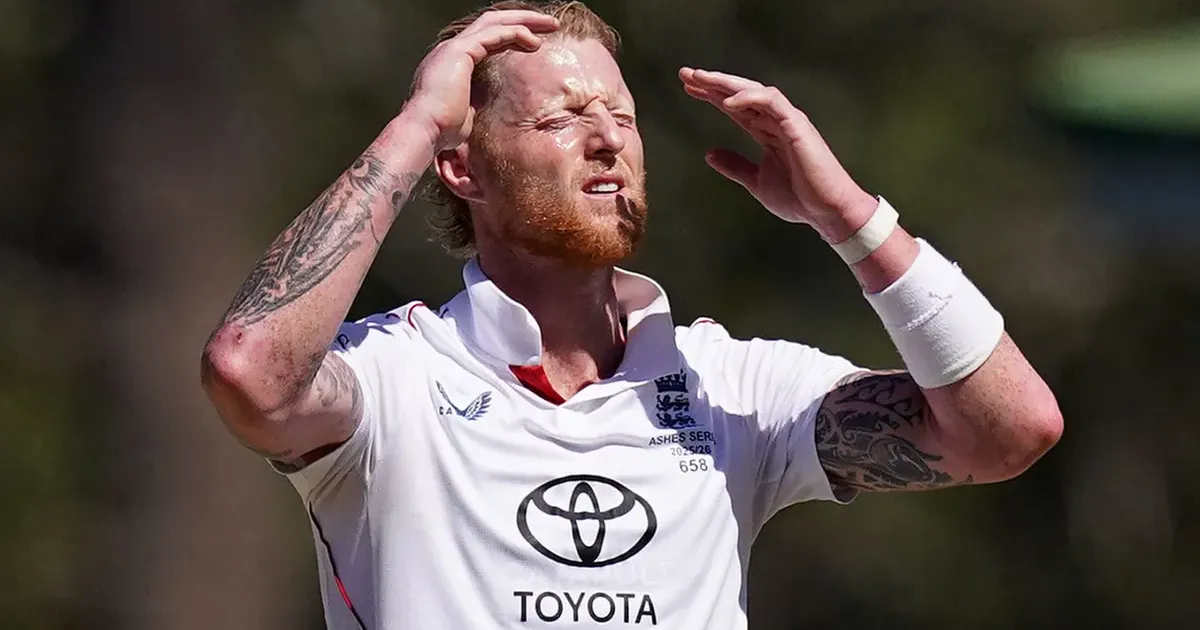
Ben Stokes confirmed that a surgical procedure on his broken cheekbone will delay his return to competitive action for several weeks. The delay changes England’s planning before the summer calendar hardens. The report was dated March 28, 2026. The England Test captain remains sidelined despite initial hopes that he would feature in the opening rounds of the domestic season. Medical specialists recommended an extension of his rest period to ensure the facial structure fully stabilizes before he encounters the high-impact environment of professional cricket. This decision removes him from the immediate plans of his domestic club as they prepare for a challenging early-season schedule. Recovery progress dictates that a return to the crease will not occur until May at the earliest.
Durham officials clarified the situation on Saturday, noting that their marquee player is currently unavailable for selection. Preparation for the upcoming match next week had included contingency plans for his participation, but these have now been scrapped. The fracture, sustained during a training accident earlier this year, required invasive correction to prevent long-term structural issues. Surgeons used specialized titanium plates to secure the bone during the operation. Club doctors maintain that rushing the rehabilitation process could lead to secondary complications involving sinus pressure or nerve sensitivity. Medical reports from the surgical team suggest the bone density has not yet reached the threshold required for match play. Competitive cricket involves sizable physical risk, particularly when facing fast bowling at speeds exceeding 90 miles per hour. A secondary impact to the same area before the primary fracture heals could prove catastrophic for his career. So, the medical staff at Durham and the national team have reached a consensus to prioritize long-term health over immediate availability. The captain will continue a non-contact fitness regimen under strict supervision at the Riverside Ground.
Durham County Championship Absence
Durham faces a serious tactical void during the first month of the County Championship season without their primary all-rounder. Losing a player of his caliber disrupts the balance of the middle order and reduces the options available to the bowling attack. The squad must now rely on younger prospects to fill the gap during the critical April fixtures. Team management had hoped his presence would provide a psychological boost to the dressing room. Instead, the focus shifts to maintaining momentum in the division without their most experienced leader.
Beyond the immediate loss of runs and wickets, his absence impacts the club’s commercial and gate receipts. Fans at Chester-le-Street often travel specifically to see the national captain in action during the early spring months. Ticket sales for the opening home games typically see a spike when his name appears on the team sheet. The delay forces the marketing department to adjust their promotional strategies for the first month of the campaign. Durham’s coaching staff must now find a way to replicate his aggressive tactical approach using a more traditional lineup.
"England captain Ben Stokes is still recovering after surgery on a broken cheekbone and will not play for Durham next week as planned."
England Test Captaincy Implications
England prepares for a dense international calendar that requires the captain to be at peak physical condition. His leadership style, often described as relentless and high-energy, depends heavily on his ability to lead by example on the field. Missing the first month of the domestic season limits his competitive rhythm before the first Test match of the summer. Nevertheless, the coaching staff believes his tactical mind remains sharp despite the physical layoff. They view this forced break as an opportunity for him to refresh his mental approach to the game. Successive seasons of knee issues and minor soft-tissue injuries have already forced him to manage his appearances carefully. The cheekbone fracture adds a new dimension to his medical history that requires specific protective measures. Some analysts suggest he may need to wear a customized helmet or a protective guard during his initial return to the nets. Such equipment adjustments take time to master and can affect a batsman’s peripheral vision. Coaches will monitor his comfort levels during training sessions throughout April to gauge his readiness for the international stage.
Medical recovery from facial trauma remains the main timetable for his return.
Historical precedents for facial injuries in cricket highlight the psychological hurdles involved in returning to the sport. Players like Stuart Broad and Craig Kieswetter faced major challenges after sustaining fractures from short-pitched deliveries. The fear of a repeat injury can subconsciously alter a batsman’s technique or footwork. Stokes, known for his bravery at the crease, will need to prove to himself that his reflexes remain unaffected. Clinical psychologists often work alongside physical therapists to assist athletes in overcoming the trauma of high-velocity facial impacts.
Managing the inflammatory response is the current focus of the recovery phase. Post-surgical swelling can persist for several weeks, affecting vision and balance in high-intensity situations. Doctors use regular imaging to track the ossification of the fracture site. Once the bone has reached sufficient strength, he will transition from light cardiovascular work to net practice. This progression is non-linear and depends entirely on how the body reacts to increased physical stress. The priority is full fitness rather than a premature return to the field.
Return Timeline
The delay is more than a club availability issue. Stokes is the tactical and emotional center of the England Test side, so any setback forces coaches to test whether the system can preserve his aggressive approach without his daily presence.
Without him, there is a risk that the squad might revert to a more defensive, traditional mindset. This delay until May is not just a medical necessity; it is a stress test for the entire English cricket ecosystem. Can the system sustain his tactical philosophy when the architect is trapped in a rehabilitation suite? The reliance on a single individual for both tactical direction and emotional momentum is a structural weakness that the ECB has failed to address.
If a single fracture can paralyze the momentum of the national game, then the foundation of the current era is far more fragile than the bravado suggests.