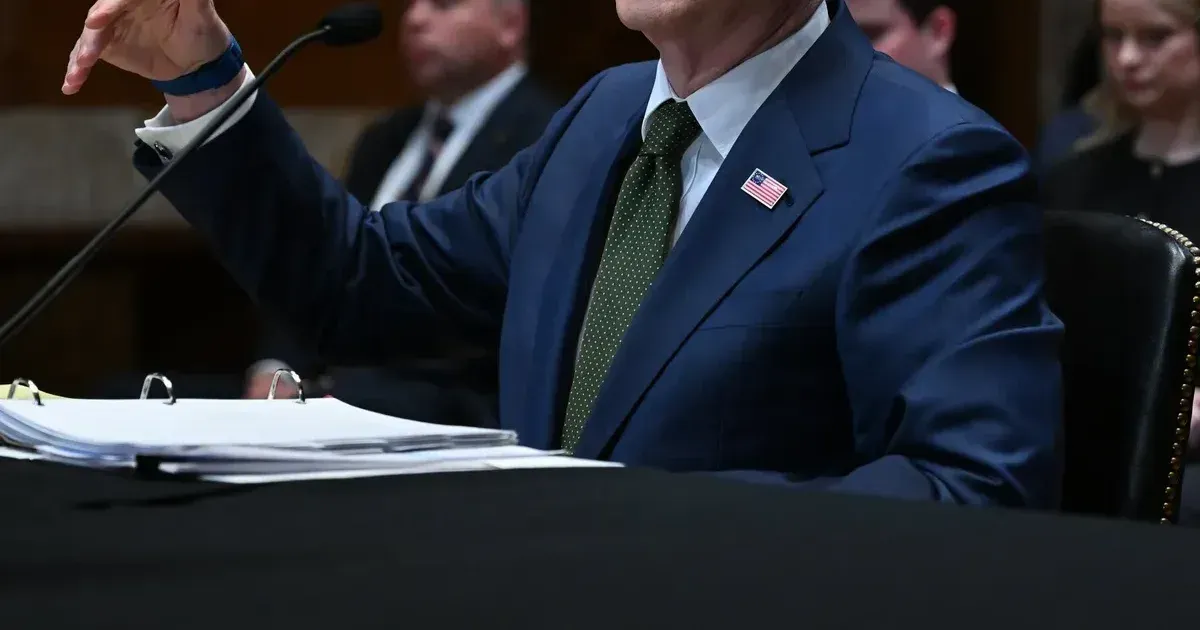
A $50 billion U.S.-UAE currency swap line gives Abu Dhabi a dollar backstop while tying Gulf liquidity more closely to Washington. Treasury Secretary Scott Bessent confirmed on April 22, 2026, that the United States will establish a new currency swap line with the United Arab Emirates to ensure global financial stability. Officials in Washington finalized the details after months of bilateral discussions regarding liquidity in the Middle East. The agreement allows the UAE central bank to exchange its local currency for U.S. dollars at a fixed rate. Negotiators argue that providing this backstop secures the flow of capital between the two nations. The United Arab Emirates is a primary hub for international banking and energy trade in the Persian Gulf region.
Dollar liquidity remains a foundation of the American strategy to maintain the greenback as the world reserve currency. Establishing these lines often prevents sudden devaluations that could disrupt oil markets. Bessent stated that the arrangement provides a mutual safety net that deepens financial ties with a critical regional partner. The move comes as several Gulf nations look to diversify their holdings away from traditional Western assets. Treasury Department data shows that the UAE currently holds substantial amounts of U.S. Treasury securities. This specific agreement will target short-term liquidity needs for commercial banks operating in Dubai and Abu Dhabi.
UAE Oil Wealth and Liquidity Demands
Abu Dhabi manages one of the largest sovereign wealth funds in the world through the Abu Dhabi Investment Authority. Despite this vast wealth, sudden shifts in energy prices can create temporary shortages of U.S. dollars in local markets. The Department of the Treasury maintains that providing swap lines to wealthy nations is a preventative measure. It ensures that these nations do not have to dump their holdings of U.S. debt to raise cash during a crisis. Selling large volumes of Treasury bonds would likely push interest rates higher for American consumers. The Federal Reserve has historically used similar mechanisms with European and Japanese central banks.
Energy exports from the region are almost exclusively priced in dollars, a system known as the petrodollar. Maintaining the stability of this exchange is essential for U.S. inflation controls. If the UAE were to struggle with dollar access, the wider effects would hit global shipping and insurance sectors. The largest commodities traded in the Gulf depend on the availability of affordable dollar credit. Experts at the International Monetary Fund have noted that regional banks in the Middle East are increasingly integrated into the New York financial system. The swap line will have a total capacity of $50 billion for the initial phase.
Treasury Department Mechanism for Currency Exchange
Currency swap lines act as a reciprocal credit arrangement between central banks. When the UAE draws on the line, it provides an equivalent amount of dirhams to the United States. These funds are held as collateral until the transaction is reversed at a later date. Unlike a loan, a swap line does not involve a permanent transfer of wealth or a budget appropriation from Congress. The Treasury Department utilizes the Exchange Stabilization Fund to enable these specific international agreements. Risk is minimized because the exchange rate is locked at the time of the draw. The $50 billion limit is intended to be a psychological ceiling to reassure private investors.
"This arrangement provides a mutual safety net that deepens our financial ties with a critical regional partner," said Treasury Secretary Scott Bessent during the announcement.
Liquidity shortages often occur when international banks pull back from emerging markets during periods of global uncertainty. While the UAE is considered a developed financial market, it still faces the same structural risks as other trade-dependent economies. The dirham is currently pegged to the U.S. dollar at a rate of 3.67. Maintaining this peg requires constant access to dollar reserves. If the peg were to break, the cost of imports for the UAE would skyrocket instantly. American companies operating in the region would also face severe exchange-rate losses. The swap line is a guarantee that the peg will remain intact. Geopolitical instability in the United Arab Emirates has prompted shifts in both defense and financial strategies.
Congressional Scrutiny of Foreign Financial Pacts
Legislators in Washington have expressed varying degrees of skepticism regarding the necessity of the deal. Some members of the Senate Finance Committee questioned why an oil-rich nation requires U.S. financial backing. They argue that the UAE should use its own enormous reserves before relying on a U.S. Treasury facility. Bessent countered these arguments by highlighting the systemic risk to the American banking sector. Large-scale liquidations of U.S. assets by Gulf states would trigger a spike in domestic mortgage rates. Congressional leaders have requested a formal briefing on the terms of the agreement. The Treasury has agreed to provide monthly reports on any draws made by the UAE central bank.
Transnational crime and money laundering concerns also shadow any new financial pact in the region. The UAE has made efforts to improve its regulatory environment to satisfy international monitors. U.S. officials insist that the swap line includes strict transparency requirements for the participating banks. Every dollar exchanged must be tracked to ensure it is used for legitimate commercial liquidity. Critics in the House of Representatives remain concerned about the lack of direct oversight once the funds enter the Gulf banking system. The agreement includes a clause allowing the U.S. to suspend the line if compliance standards are not met. Treasury officials believe the risk of default is virtually non-existent given the UAE credit rating.
Middle East Market Liquidity and Global Stability
Market participants in New York and London reacted positively to the news of the swap line. Oil prices stabilized on the expectation of smoother financial transactions in the Persian Gulf. International banks often view these Treasury-backed lines as a signal of political and economic alignment. The move reinforces the status of the U.S. dollar as the primary medium for energy transactions. Other nations in the region, including Saudi Arabia and Kuwait, are watching the implementation of this agreement closely. If successful, the Treasury may consider expanding the program to other strategic partners. Stability in the Gulf financial sector is directly linked to the price of gasoline at American pumps.
Financial analysts at major investment banks suggest that the swap line is a geopolitical tool as much as an economic one. It tethers the UAE more closely to American monetary policy. As the Federal Reserve adjusts interest rates, the UAE central bank must follow suit to maintain its currency peg. This coordination ensures that the U.S. maintains influence over the flow of global capital. The UAE has recently explored increasing trade in other currencies, such as the yuan.
Establishing the swap line provides a strong incentive for Abu Dhabi to remain within the dollar-denominated system. The duration of the agreement is set for twelve months with an option for renewal. Final signatures on the memorandum of understanding were applied late Wednesday afternoon.
UAE Swap Line Tests Dollar Diplomacy
Why is the American government providing a financial cushion to a nation that sits on a trillion dollars of sovereign wealth? The official narrative from the Treasury Department emphasizes mutual stability and the protection of the dollar peg. However, this move is a defensive play to prevent the UAE from looking toward the East for financial security. By extending a $50 billion line of credit, Washington is essentially paying for continued loyalty in an increasingly multipolar world. It is transactional diplomacy at its most naked. The U.S. taxpayer gains no direct profit, while the Gulf monarchy gains an ironclad guarantee for its currency.
The risk of this strategy is the moral hazard it creates for other resource-rich nations. If the UAE can secure a U.S. safety net without the typical strings of a loan, every other energy giant will demand the same. This dilutes the power of American financial sanctions and creates a precedent where wealth does not preclude assistance. We are effectively subsidizing the financial resilience of a competitor in the energy market. It is a high-stakes gamble on the longevity of the petrodollar system. Dollar hegemony first.