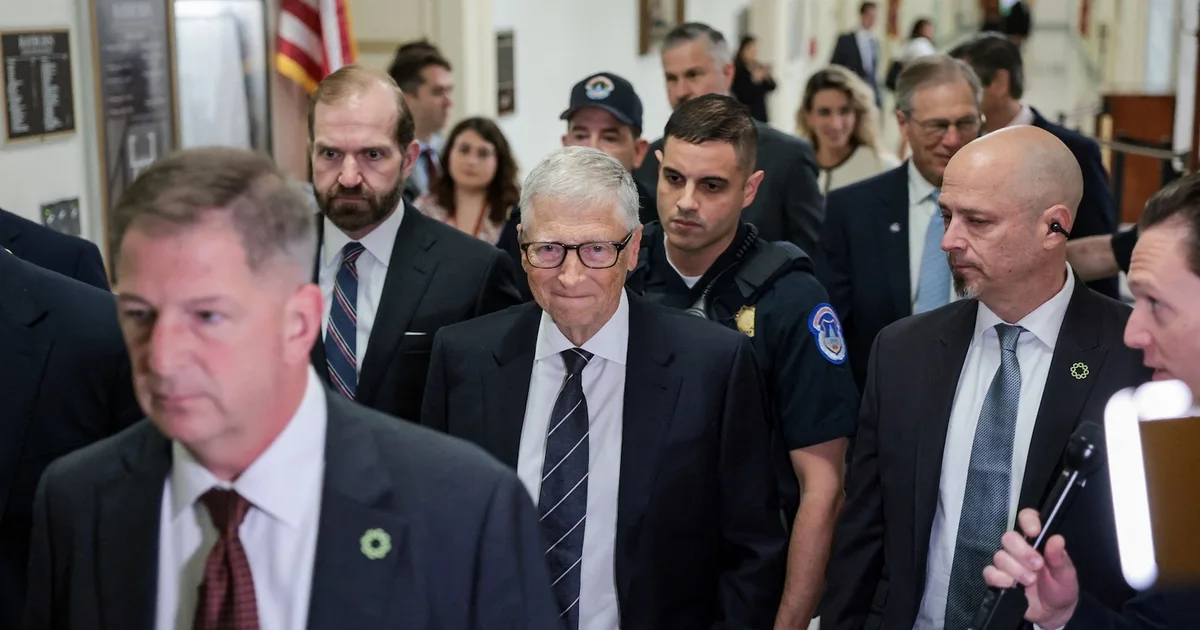
Bill Gates is again being pulled into the public accounting around Jeffrey Epstein as House investigators prepare questions about past meetings and judgment. The reputational issue is also broader than one witness. The hearing also gives lawmakers a chance to move the Epstein record from insinuation toward chronology. The planned appearance is part of a broader congressional push for answers in the Epstein probe. The story drew attention on June 10, 2026, because it sits at the intersection of wealth, access and oversight. Gates has previously described meeting Epstein as a serious error in judgment, but lawmakers are likely to press beyond that phrase.
The Hearing Is About Access
The central question is not whether Gates held public office or ran a government agency. He did not. The question is why Epstein retained access to powerful figures even after his criminal history was widely known. That makes the hearing less about one meeting and more about the social architecture around influence. Philanthropy, science funding, elite networking and private introductions can all become part of the same accountability map. Congressional interest gives the issue a different weight. A private apology can close a reputational chapter for some audiences, but sworn testimony or formal questioning forces a more precise timeline.
Lawmakers Want a Cleaner Timeline
Investigators are likely to focus on when meetings occurred, who arranged them and what Gates understood about Epstein's status at the time. Those details matter because broad regret does not answer whether warning signs were ignored. The political risk for Gates is not only legal exposure. It is the possibility that a hearing turns a settled public-relations explanation into a renewed institutional story. For lawmakers, the hearing also offers a way to show that Epstein-related oversight is not limited to one party, one agency or one famous name. It is a wider inquiry into how powerful networks protected access and ambiguity.
The Accountability Test for Elite Networks
The Gates appearance carries symbolic force because it asks whether elite institutions can police themselves after reputational damage. Philanthropic work, business achievement and public-health influence do not erase questions about judgment. That does not mean every past contact carries the same meaning. It does mean public figures who benefited from access-heavy networks are likely to face a higher burden of explanation.
The strategic point is that the Epstein probe has become a test of institutional memory. If Congress can produce a clear record, the hearing may narrow speculation. If it produces evasive answers, the story will remain a proxy for public distrust toward billionaires, politicians and private circles that operated beyond ordinary scrutiny.
Gates also represents a broader category of witnesses whose relevance comes from proximity rather than formal authority. That makes questioning more delicate. Lawmakers have to separate reputational anger from evidence about access, introductions or institutional benefit.
The committee's credibility will depend on that distinction. If members turn the session into spectacle, the hearing may produce headlines without clarifying the record. If they focus on dates, contacts and decision points, it can narrow the unanswered questions.
One issue is whether philanthropic and scientific networks used Epstein as a connector after his criminal history was already public. Another is whether major institutions treated those ties as private embarrassment rather than governance risk.
For Gates, the safest answer politically may not be the shortest answer. A fuller timeline could reduce speculation, while narrow replies may invite more subpoenas, leaks and follow-up hearings.
The next stage of the probe will show whether Congress is building a durable record or simply revisiting famous names. The public value of the hearing depends on whether it explains how access worked and why warning signs failed to close doors sooner.
That is the reason the hearing matters even if it does not produce a dramatic revelation. It can still define what powerful figures are expected to disclose when past associations become public accountability questions.
For voters, the question is whether oversight can replace rumor with a usable public record.
That standard is especially important when private power shaped public trust. The committee will also face pressure to separate public curiosity from useful oversight. The strongest questions are likely to focus on access, introductions and institutional judgment rather than gossip about private association. That distinction matters if lawmakers want the hearing to produce a record that outlasts a single news cycle. A detailed timeline would also help distinguish poor judgment from any claim of continuing coordination. That distinction is important for institutions that previously accepted Gates-linked funding or partnerships. Universities and foundations will also watch the answers because Epstein’s network reached through philanthropy and science as well as politics. Their concern is institutional exposure, not only personal embarrassment.