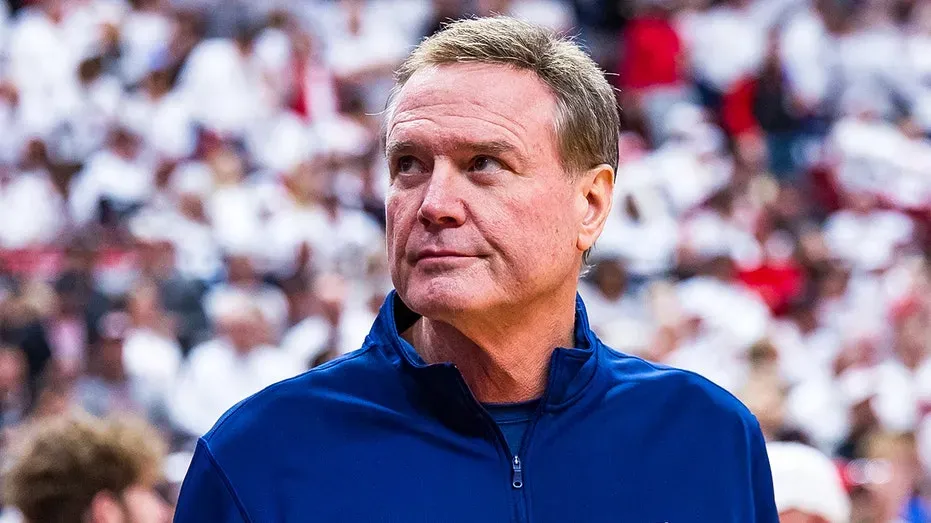
Bill Self's return for a 24th season gives Kansas the clean answer it needed before the offseason became a referendum on his future. The official 2026-27 materials still list him as head coach, which matters at a place where uncertainty around the bench quickly becomes uncertainty around the roster.
The story is not just whether Self still wants the job. It is whether Kansas can turn continuity into a more convincing basketball product after a postseason exit that made every loose question louder. The Jayhawks did not need a summer of half-answers. They needed a coach, a staff, a recruiting message and a roster plan that players could hear without qualification.
The Return Answers One Question
Self's decision removes the most disruptive possibility from the board. Kansas no longer has to recruit through an open-ended retirement conversation or ask transfers to commit before knowing who will run the program. In the portal era, that is not a small advantage. Weeks of ambiguity can change visits, NIL talks, role expectations and staff credibility.
Coaching clarity also protects the assistants. A staff can sell development only if the head coach's timeline feels real. Self's name still carries unusual force in living rooms and portal calls, but that force weakens if every conversation begins with whether he will be there long enough to coach the player he is recruiting.
Health Cannot Be Treated as Gossip
The health part of the story needs care. Self has had serious heart-related issues in recent years, including the 2023 hospitalization that kept him away from the Big 12 and NCAA tournaments. More recent concerns made the retirement speculation sharper after the season ended.
Self's health history belongs in the analysis because high-major coaching is relentless. It does not give outsiders permission to diagnose him or turn medical details into a verdict. The fair basketball question is narrower: whether Kansas has enough support around travel, stress, practice delegation, recovery time and day-to-day staff load to make the arrangement sustainable.
Kansas Had to Move Before the Roster Moved
The timing is why the announcement carried weight. Kansas could not afford to let the portal define the program before the program defined itself. Players want to know minutes, style, usage and trust. Families want to know whether the same voice recruiting them in spring will still control the bench in winter.
Self's return gives Kansas a direct answer, but it does not solve the roster by itself. The 2026-27 group is not being judged against a modest standard. It is being judged against the expectation that Kansas should look organized, physical and dangerous deep into March. Continuity only helps if the roster construction has the same urgency.
The Resume Still Raises the Bar
Self's two national titles, long Big 12 run and Allen Fieldhouse record are why Kansas can absorb a disappointing year without looking unstable. Few coaches have enough capital to quiet a retirement cycle and reset the room in one decision.
The same resume also makes the next season less forgiving. Kansas does not keep Self simply to preserve the past. It keeps him because the school believes he can still build a team that plays with edge, fixes its gaps and holds up in a deeper Big 12. A Hall of Fame record is context, not protection from current performance.
Stability Now Has to Show Up on the Floor
Kansas bought itself order, not immunity. The job now shifts from calming speculation to proving the program still has enough energy for NIL, portal pressure, player development and late-game execution. Self's presence can steady the room, but it cannot make the roster coherent by reputation alone.
If Kansas looks sharper by November, the return will feel like the correct reset. If the same stagnation returns, the health questions and basketball criticism will no longer stay in separate lanes. Self has chosen another season. Kansas has chosen continuity. The next proof has to come from the team, not from the announcement.