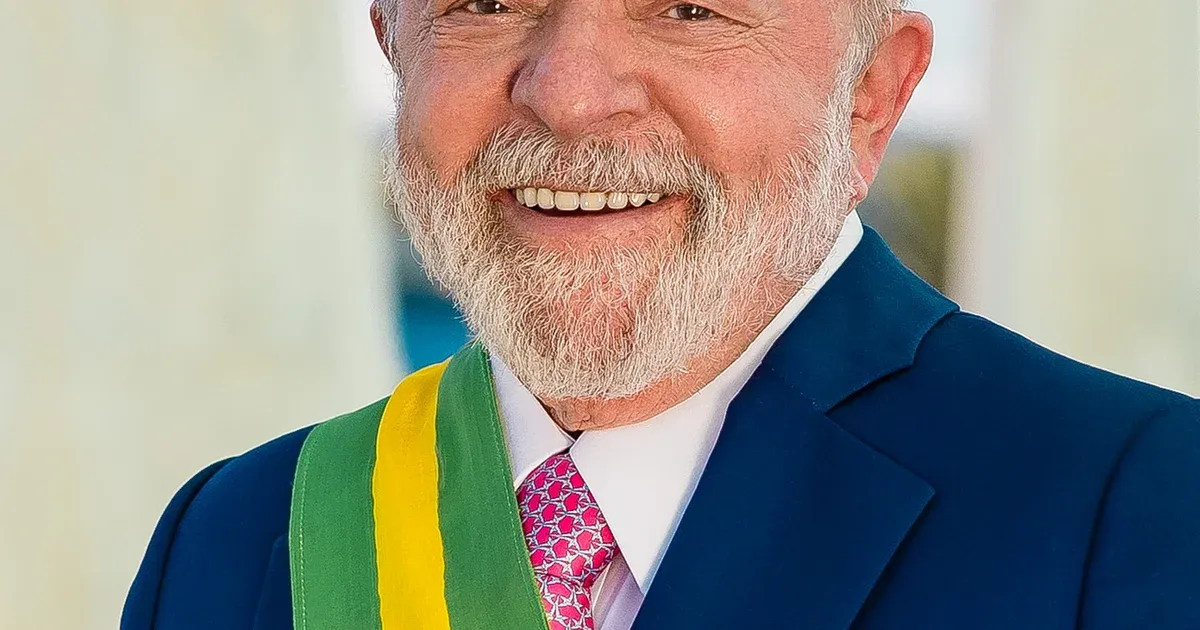
Brazil entered a period of significant political erosion for President Luiz Inácio Lula da Silva as new polling data revealed a narrowing path to reelection. Latest figures from Datafolha show a government struggling to maintain its base of support while facing a consolidated opposition that goes beyond individual personalities. By April 12, 2026, negative perceptions of the administration had remained steady at 40 percent, while positive views slipped from 32 percent to 29 percent in the previous thirty days. The contraction of Lula's core approval suggests that recent legislative efforts have failed to resonate with the broader electorate.
Public disapproval appears rooted in persistent concerns regarding the cost of living and the slow pace of infrastructure development. While the administration points to stable employment figures, the qualitative data indicates that voters do not perceive these gains in their daily purchasing power. Analysts suggest the administration is now trapped in a cycle where even neutral economic news is interpreted through a lens of partisan skepticism. Polling indicates that the decline in positive sentiment is most pronounced among middle-income families earning between two and five minimum wages.
Datafolha Polling Reveals Eroding Support for President Lula
Voter sentiment has shifted toward a state of lukewarm indifference or outright hostility as the 2026 election cycle approaches. The Workers' Party, once the dominant force in mobilizing the Brazilian working class, now finds its messaging diluted by internal disputes over fiscal policy. Research conducted by the Datafolha Institute highlights a stability in the rejection rate that makes expansion of the voter base nearly impossible for the incumbent. The current negative rating equals the highs seen during the most disputed periods of the 2024 municipal elections.
Allies of the president in Congress have attempted to minimize these results, describing the trend as a temporary fluctuation driven by seasonal factors. By contrast, the speed of the three-point drop in positive evaluation indicates a deeper dissatisfaction that economic indicators have yet to capture. The shift reflects a growing impatience with the pace of social programs that were the hallmark of Lula's previous terms in office. Internal polling by the administration confirms that the decline is not isolated to conservative strongholds but is beginning to bleed into the industrial belts of São Paulo.
Generic Candidates Gain Ground in Runoff Scenarios
Both Caiado and Zema poll in the single digits during first-round simulations, yet they consolidate nearly the entire conservative and centrist bloc in a head-to-head contest. 45 percent of the electorate currently favors the president in these scenarios, leaving him with a lead that sits within the margin of error when undecided voters are excluded. The transfer of votes from minor right-wing candidates to a unified challenger happens almost instantaneously in the data. This phenomenon suggests that the opposition to the current government is more about the rejection of the Workers Party than the promotion of a specific alternative vision.
“The government bets that this is a passing moment and possibly reversible with economic measures,” an official close to the president’s strategic planning committee said.
The statement highlights a reliance on fiscal stimulus to save the 2026 campaign. Despite these hopes, the consolidation of the anti-Lula vote remains a structural hurdle that goes beyond the immediate news cycle. The electoral math suggests that any candidate who can successfully claim the mantle of the right will inherit a large, ready-made constituency. The dynamic favors governors who have maintained high approval ratings in their respective states while avoiding the national polarization of the capital.
Senator Flávio Bolsonaro remains a potent symbol of the conservative movement and currently sits in a technical tie with the president for the first round. His presence in the race ensures that the legacy of his father continues to shape the national discussion. While some political observers expected the Bolsonaro brand to fade, the Datafolha results show a resilient support base that is willing to overlook judicial challenges facing the family. The right-wing coalition is currently exploring how to maximize this rejection of the left to sweep legislative seats in the upcoming contest.
Opponents of the administration are successfully leveraging social media to highlight inconsistencies in government spending. They focus on the contrast between the president's international travel and the domestic struggle with food inflation. The narrative has proven effective in the agricultural heartland, where the president's disapproval ratings are highest. Rural producers have largely abandoned the administration over land rights disputes and environmental regulations that they perceive as punitive. The consolidation of the Center-West and southern regions provides a solid geographic foundation for any conservative challenger.
Government strategists believe that the path to recovery lies in a series of targeted interventions in the energy and credit markets. They plan to lower the cost of borrowing for small businesses and increase the reach of the Bolsa Família program to include more urban informal workers. However, the Finance Ministry faces the difficult task of funding these initiatives without triggering a negative reaction from the Central Bank. If inflation remains above the target range, any attempt to buy popularity through spending could result in higher interest rates that negate the benefits of the stimulus.
Market participants are watching these developments with a mix of caution and skepticism regarding the fiscal trajectory of the country. Foreign investment has slowed as the political landscape becomes more volatile and the risk of populist economic shifts increases. The administration must balance the need for immediate voter gratification with the long-term stability required to keep the currency from devaluing. Failure to manage this equilibrium could accelerate the migration of centrist voters toward the opposition governors. The president is running out of time to convince the public that his third term can deliver the prosperity of his first two.
The Anti-Incumbent Opening
Lula is not losing a fight against a person; he is losing a fight against a phantom. The Datafolha data confirms that the "Anti-Lula" sentiment is a more powerful opponent than any specific governor or senator currently walking the halls of Brasília. By obsessing over the Bolsonaro family, the Planalto has allowed a generic, faceless alternative to colonize the minds of the middle class. The president is effectively campaigning against an idealized version of a conservative manager who does not yet exist on the national stage, which is a battle no incumbent can win.
The administration appears to believe that a minor interest-rate adjustment or another round of social transfers can erase the deep cultural rejection now visible in the polls. The reliance on 20th-century economic tools to solve 21st-century identity crises is the hallmark of a government that has aged out of the current political reality. If Caiado or Zema can maintain their local popularity while remaining a blank canvas for national grievances, the runoff will not be a contest of ideas, but a referendum on fatigue.
Lula's survival depends on his ability to make the opposition look dangerous, yet his current rivals are making themselves look boringly competent. In a country exhausted by drama, boring competence is the ultimate electoral weapon.