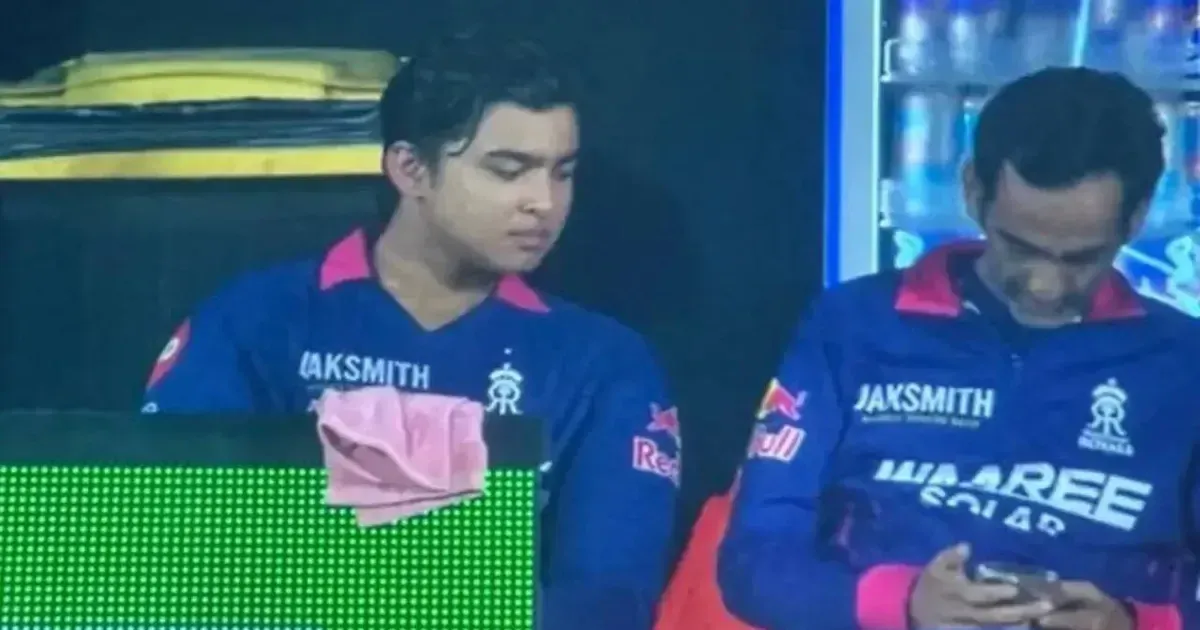
Rajasthan Royals manager Romi Bhinder triggered an official anti-corruption investigation after video footage showed him using a mobile device during a live Indian Premier League match. On April 11, 2026, observers spotted Bhinder holding the prohibited dugout phone while Rajasthan were engaged in a run chase against Royal Challengers Bengaluru. IPL rules strictly forbid electronic communication equipment inside the dugout once a match has started.
$11 billion in broadcast and commercial value creates a high-stakes environment where any suspicion of outside communication is treated as a potential corruption event. Security protocols mandate that all personal phones, tablets, and smartwatches be deposited with anti-corruption officials before personnel enter the designated match zones. Bhinder now faces questioning by the BCCI Anti-Corruption Unit (ACU) regarding the nature of the messages sent or received during the high-pressure finish. Evidence gathered from the host broadcaster cameras suggests the device was used for several minutes during the second innings. This incident marks a significant lapse in the internal discipline of the Rajasthan franchise.
BCCI sources indicate that even if the communication was personal and unrelated to cricket, the act itself constitutes a significant security breach. The ACU maintains a database of all approved devices for technical staff, such as laptops used for data analysis, but handheld phones are universally banned. Match officials reported the incident to the governing body shortly after the final ball was bowled. Investigators will now examine network logs to determine the exact time and destination of any signals transmitted from the dugout. Rajasthan Royals officials have not yet released a formal defense for Bhinder's actions. Precedent for such violations suggests a range of punishments from significant financial penalties to a multi-match suspension. The league operates under a strict liability principle where the presence of a device is sufficient for a conviction. Anti-corruption officials are currently reviewing the footage to see if any players were in proximity to the device during the violation.
Technical Details of the Dugout Phone Violation
Rules regarding the PMOA were tightened in 2024 to include a complete ban on smart glasses and wearable technology that could transmit data. Bhinder was seen using a standard smartphone, which is the most common tool for unauthorized information sharing. Information regarding pitch conditions, bowling changes, or injury updates can be highly valuable to illicit betting markets. Every stadium in the IPL circuit, including the venue in Guwahati, features high-definition surveillance dedicated solely to monitoring the dugouts. These cameras captured Bhinder during the sixteenth over of the second innings. Security protocols require that the manager hand over his device to the ACU integrity officer stationed at the team hotel or the stadium entrance.
Communication from the dugout to the outside world is restricted to official walkie-talkies monitored by the match referee. These radio channels are recorded for transparency and are used only for medical emergencies or tactical reviews with the third umpire. Bhinder's use of a personal device bypassed these safeguards entirely. Security experts argue that the mere appearance of a phone in the dugout damages the integrity of the game regardless of intent. The BCCI has invited the Rajasthan management to a hearing later this month to explain the oversight. Data from the device will be cross-referenced with betting patterns recorded during the match. Financial records of the official may also be scrutinized as part of the standard investigative procedure.
Guwahati fans witnessed an exercise in aggressive batting from both sides on a humid evening. Rajasthan used the short boundaries effectively to keep the required run rate under control throughout the second innings. Bengaluru had initially looked in control after a strong start from their opening pair. Successive wickets in the middle overs stalled their momentum before a late cameo pushed them past the 200-run threshold. Rajasthan reached the target with three balls to spare. Team analysts pointed to the lack of execution in the death overs as the primary reason for the loss. Bengaluru now faces a quick turnaround before their next fixture in Mumbai.
Veteran wicketkeeper Dinesh Karthik addressed the media following the loss to offer a broader perspective on the team's trajectory. Karthik remained composed while analyzing the performance of the bowling unit under pressure. He emphasized that the tournament is in its early stages and that one loss does not define a title defense. Bengaluru fans have expressed frustration on digital platforms regarding the team's inability to defend large totals. Karthik dismissed these concerns by pointing to the long-term nature of the IPL schedule. Success in the league often depends on peaking during the latter half of the group stage. Bengaluru currently holds four points from a possible six.
"Three games into the tournament, it's not the end of the world. It's a marathon, not a sprint, and we have enough quality in the dressing room to bounce back from this."
Integrity Rules Around the Dugout
A league valued at $11 billion cannot credibly claim integrity when its own officials treat security protocols like optional suggestions. The incident involving Romi Bhinder is more than a technical violation; it is a symptom of an organizational arrogance that frequently plagues the IPL management structure. While the BCCI prides itself on implementing advanced anti-corruption measures, the sight of a manager scrolling through a smartphone in a high-security zone suggests a deep lack of fear regarding the consequences. This breach occurs in a league that has already faced multi-year suspensions for various forms of misconduct, yet the lessons of the past seem to have evaporated in the heat of a Guwahati evening.
Dinesh Karthik offers the standard athlete defense by calling the season a marathon, but the reality is that competitive integrity is a race with no finish line. If the league allows these minor infractions to slide without heavy-handed punishment, it invites more sophisticated forms of manipulation. The proximity of team officials to live betting data and offshore markets is a persistent threat that requires more than a locked box for phones. It requires a cultural shift where the rules are viewed as essential safeguards rather than bureaucratic hurdles. The BCCI must suspend Bhinder immediately to send a signal that the dugout is not a private lounge for social media updates. Anything less is an admission of regulatory weakness.