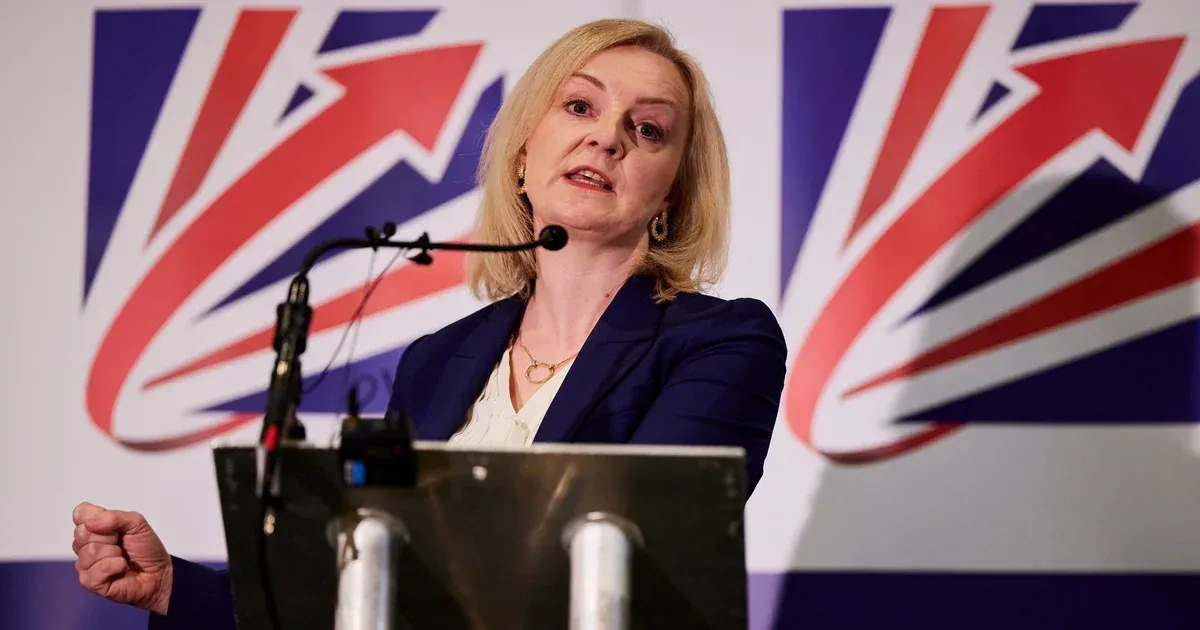
On April 4, 2026, British political candidates launched a wave of unfunded spending pledges ahead of the upcoming local and regional elections. These fiscal platforms frequently rely on increased borrowing or unspecified cuts to existing programs to fund popular local initiatives. Philip Inman, writing for The Guardian, noted that the threat of the 2022 mini-budget continues to loom over these campaigns. Critics argue that the strategies presented by minor and major parties alike mirror the risky logic of former Prime Minister Liz Truss.
Regional councils face an existential funding crisis across the United Kingdom. Several major municipalities have declared effective bankruptcy under Section 114 notices in recent years. Instead of proposing fiscal restraint, candidates from the Liberal Democrats and the Green Party are promising large injections of capital into social care and green infrastructure. These pledges rarely include a specific plan for how the national treasury would absorb the additional debt.
Economic analysts at several London firms expressed concern regarding the lack of transparency in these manifestos. High-interest rates have already made government borrowing more expensive than at any point in the previous decade. Yet, Reform UK and the Conservatives are simultaneously floating tax cut ideas that would further drain public coffers. Markets are watching these regional races as a bellwether for the next general election.
Fiscal Realism Fades in Local Council Races
Municipal governments have reached a breaking point regarding their statutory duties. Social care for the elderly and child protection services consume the vast majority of local budgets. Candidates often distract from these structural deficits by promising new community centers or renewed high streets. Liz Truss proved that unfunded promises can trigger a rapid loss of market confidence. Investors now worry that local fiscal irresponsibility could aggregate into a national crisis.
Borrowing costs for local authorities have risen alongside the Bank of England base rate. This pressure makes any promise of "free" services fundamentally deceptive to the electorate. Many candidates suggest that the cost of their plans will be borne by corporations or wealthy individuals. Philip Inman pointed out that such rhetoric assumes these taxpayers will not simply move their assets elsewhere.
Financial institutions remain wary of any policy that ignores the debt-to-GDP ratio. The pound sterling is vulnerable to perceptions of fiscal profligacy. Stability is the main demand of the institutional investment community. Any deviation toward the experimental economics seen in late 2022 could spark a new round of inflation.
Conservative Promises Clash With Recent Economic History
Conservatives are attempting to regain ground in traditional strongholds by emphasizing local tax relief. This approach frequently ignores that council tax is one of the few stable revenue streams left for local services. Chancellor Jeremy Hunt has previously warned that meaningful tax cuts must be earned through productivity gains. Local candidates, however, seem less concerned with the macro-level warnings issued by the Treasury.
Voters in rural districts have expressed frustration with the rising cost of living. Reform UK has capitalized on this sentiment by proposing a total overhaul of the current tax system. Their platform suggests that cutting environmental levies would stimulate the economy. Evidence from the Truss era suggests that tax cuts without corresponding spending reductions lead to higher mortgage rates for the very people the party aims to help.
"Or if they do, the costs will be borne by people and businesses they do not care about," economic columnist Philip Inman wrote.
Council leaders often find themselves caught between central government austerity and local demand. The Liberal Democrats have proposed a regional investment bank to bypass Westminster funding hurdles. Such a move would require a major change in national law. Without that change, the promise remains a rhetorical tool rather than a viable policy.
Third Parties Propose Enormous Tax and Spend Shifts
The Green Party advocates for a wealth tax to fund a transition to a carbon-neutral economy. Their local candidates are pushing for universal basic income pilots and free public transport. These programs would require billions of pounds in annual subsidies. While popular in urban centers, the fiscal math behind these proposals remains largely theoretical. Liz Truss was criticized for similar fiscal optimism, albeit from the opposite side of the political aisle.
Reform UK candidates have been particularly vocal about scrapping net-zero targets to save money. They argue that redirected funds could fix every pothole in Britain. This simplified narrative ignores the long-term contractual obligations of the state. Jeremy Hunt has maintained that the UK must honor its international climate commitments to remain a credible global partner. Small parties like Your Party and Restore Britain are also gaining traction with populist economic slogans. They often target the perceived waste in local government bureaucracies. Eliminating administrative roles rarely provides the scale of savings needed for their proposed projects. Most experts agree that the structural problems in UK finance require more than cutting "red tape."
Spending Vows Put Fiscal Credibility Under Watch
The spending pledges matter because markets now punish vague arithmetic faster than politicians expect. Parties can promise relief, but borrowing, tax and local council math still have to add up.