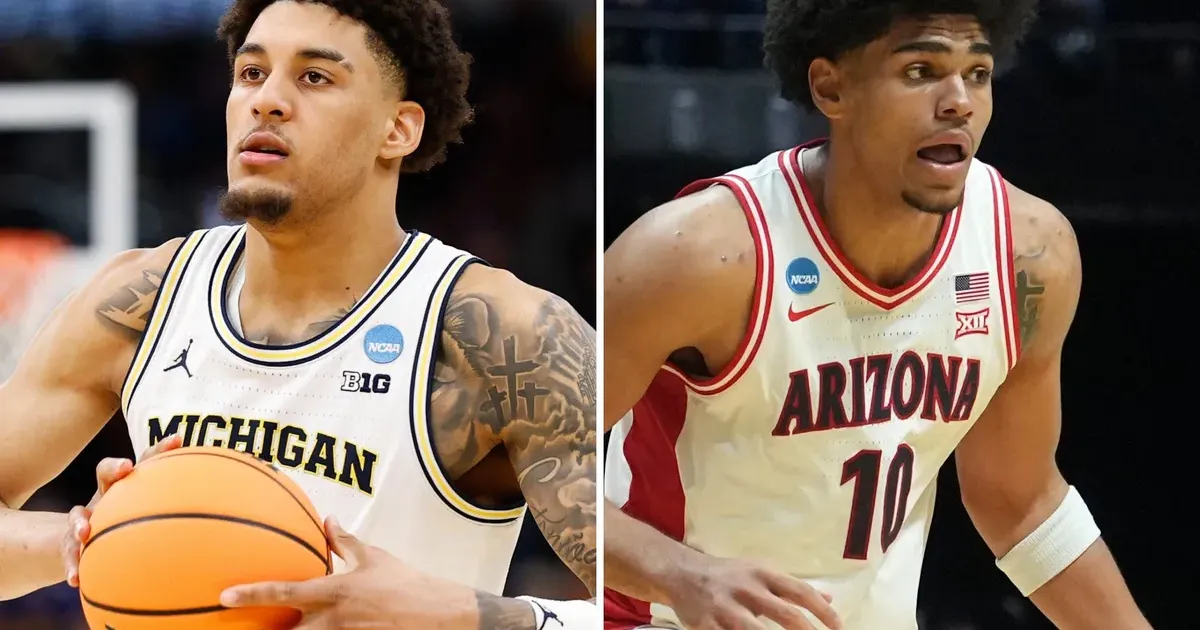
On April 5, 2026, Michigan prepared for a high-stakes showdown against Arizona, a matchup shaped by basketball pressure and fragmented sports streaming. These two programs represent the final surviving top seeds in a tournament that has historically punished the favorites. While Florida and Duke exited the bracket in earlier rounds, these teams maintained their trajectory through consistent execution. Success in the modern NCAA landscape relies as much on bench depth as it does on coaching adjustments during high-pressure possessions. Arizona enters the contest with a powerful 36-2 record, positioning the Wildcats as the slight statistical favorite.
Michigan follows closely with a 35-3 season, showcasing a defensive efficiency that has stifled previous opponents. Both universities seek a second national title to cement their contemporary legacies in college basketball history.
Michigan and Arizona Broadcasting Infrastructure
Broadcasting rights for the Final Four involve a complex web of exclusivity agreements and regional blackouts. Domestic viewers often turn to DirecTV Stream or Sling TV to capture the action without long-term contracts. Sling TV offers a daily entry point for $5, a price point specifically designed to capture the casual tournament observer. Reliability during peak traffic remains the main concern for these platforms, as millions of simultaneous connections can strain server capacity. Engineers at these streaming giants monitor latency issues in real-time to prevent the buffering delays that plagued previous years. The shift toward digital delivery has forced traditional broadcasters to reinvest in cloud-based infrastructure to maintain signal parity with satellite feeds.
International audiences face a different set of hurdles when attempting to access the Michigan vs. Arizona game. DAZN has secured the rights in several key markets, including the United Kingdom and Ireland. Unlike US-based viewers, fans in these regions can often access the stream for free by creating an account. This discrepancy in pricing highlights the varying value of college basketball rights across global markets. In the UK, the game begins at 1:49 a.m. BST on Sunday, requiring a dedicated fan base willing to watch during unconventional hours. International platforms use these marquee events to grow their subscriber bases in regions where American sports are gaining traction.
The Final Four continues with a can’t-miss battle of the remaining No. 1 seeds, according to a report from Business Insider Markets.
Subscription fatigue is a growing reality for the modern consumer, who must often juggle multiple services to follow a single season. The fragmentation of sports media means a fan might need three different apps to watch the regular season, the conference tournament, and the Final Four. This complexity has led to a resurgence in the popularity of aggregator services that bundle disparate channels into a single interface. However, these bundles often come with higher price tags that mirror the cable packages they were meant to replace. Economic pressure is forcing some fans to rotate their subscriptions monthly, keeping only the services that carry the current month's major events.
Streaming quality has improved sharply since the early days of web-based broadcasting. High-definition feeds are now the baseline expectation, with 4K options beginning to appear for flagship matchups. Michigan and Arizona fans expect a visual fidelity that matches the intensity of the play on the court. Higher resolution requires considerably more data, which can lead to overages for users on capped internet plans. Service providers often prioritize sports traffic during the NCAA tournament to ensure that the most-watched events do not suffer from congestion. The practice, while beneficial for viewers, raises questions about net neutrality and fair access for smaller content creators.
Commercial Stakes of the Michigan and Arizona Game
Revenue from the NCAA tournament provides most of the funding for collegiate athletic departments across the country. The payout for reaching the Final Four is substantial, influencing everything from coaching salaries to facility upgrades. Michigan has invested heavily in its basketball infrastructure over the last decade, seeking to maintain its position as a Big Ten powerhouse. Arizona uses its deep-rooted basketball culture to attract top-tier recruits who see the tournament as a main showcase for professional scouts. Both teams understand that a win here increases their institutional brand value by millions of dollars. The broader economic effect extends to local businesses in the host city, which see a surge in tourism and hospitality spending.
Security for the digital broadcast is an ongoing battle against piracy and unauthorized restreaming. Illegal sites often host low-quality feeds of the Michigan and Arizona game, siphoning away potential revenue from legitimate rights holders. Cybersecurity firms work on behalf of the NCAA and broadcasters to identify and shut down these streams as they appear. These efforts are often a game of digital cat-and-mouse, as new mirrors appear almost as quickly as others are removed. Fans who use these illegal services risk exposure to malware and phishing attacks. Legitimate streaming providers emphasize the safety and reliability of their platforms to discourage users from seeking out free, unauthorized alternatives.
The cultural impact of this matchup extends beyond the box score. Michigan and Arizona are institutions with large alumni networks that span the globe. Viewing parties in cities like New York, London, and Tokyo bring these communities together, often centered around a single screen. The shared experience is a core component of the tournament's enduring appeal. Technology is simply the conduit for a tribal ritual that predates the internet. Regardless of the outcome, the digital footprint of this game will be analyzed by researchers for months to come. Statistics generated on the court are mirrored by the data points generated in the cloud.
Michigan-Arizona Game Carries Final Four Stakes
Michigan and Arizona carry Final Four stakes because both teams can control tempo in different ways. The winner will be the side that turns defensive stops into clean possessions late.