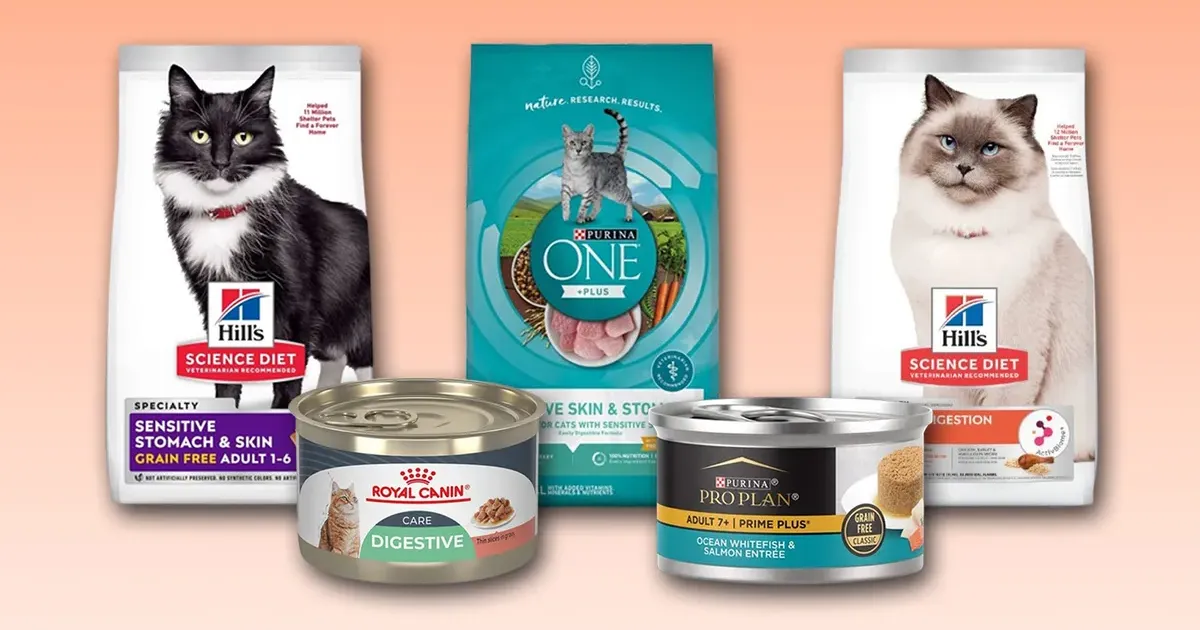
Veterinarians throughout the United States confirmed that specific nutritional profiles are essential for managing feline gastrointestinal distress. The April 5, 2026 review focused on matching diets to the cause of digestive distress. Major brands like Royal Canin and Hill's Science Diet dominate the clinical market as pet owners seek solutions for chronic vomiting and digestive sensitivity. Chronic regurgitation often signals underlying issues like food intolerance, allergies, or inflammatory bowel disease. Owners frequently mistake frequent hairballs for normal behavior, yet consistent vomiting requires precise dietary intervention. Veterinary specialists advocate for formulas containing highly digestible animal proteins and limited carbohydrate fillers. These recipes minimize the workload on a cat’s digestive tract while maximizing nutrient absorption.
Clinical diagnosis remains the first step before switching to specialized kibble or canned options. Food intolerances usually involve a reaction to certain proteins or artificial additives found in standard commercial diets. While a true allergy involves an immune system response, sensitivity is typically restricted to the digestive system. Veterinarians emphasize that specialized diets must contain low to moderate fat levels to prevent further irritation. High fat content can delay gastric emptying, leading to nausea or discomfort in sensitive animals. Modern formulations often include prebiotic fiber to nourish beneficial gut bacteria. Such bacterial balance is critical for maintaining overall immune health in domestic cats.
Identifying Feline Gastrointestinal Distress Patterns
Identifying symptoms beyond the occasional hairball is a main challenge for many cat owners. Cats experiencing chronic sensitivity may show signs like lethargy, weight loss, or changes in stool consistency. Frequent vomiting of liquid or undigested food indicates that the stomach is struggling to process the current diet. Veterinarians note that a healthy cat should not vomit more than twice a month. If the frequency exceeds this threshold, the biological cause often points to the protein source or a lack of suitable fiber types. Precise tracking of these episodes allows nutritionists to determine if the issue is mechanical or chemical.
"The best sensitive stomach cat food depends on what is causing your pet's digestive issues, whether that is a food intolerance, an allergy, or a condition like inflammatory bowel disease," veterinarians consulted for the review said.
Regurgitation differs from vomiting because it occurs almost immediately after eating. This action suggests that the food never reached the stomach or was rejected by the esophagus. Specialized sensitive stomach foods address this by using smaller kibble shapes or highly palatable wet textures. Softened food particles pass through the digestive system with less resistance, reducing the likelihood of a gag reflex. Ingredients like yellow peas and salmon provide alternative protein and carbohydrate sources that differ from common fillers. Such variety helps bypass known irritants while providing a complete nutritional profile.
Rigorous testing ensures that these therapeutic diets meet essential health requirements for long-term feeding. The AAFCO establishes the nutritional standards for pet food sold in the United States, ensuring a balance of vitamins, minerals, and amino acids. Every food recommended for sensitive stomachs must carry the statement confirming it provides complete and balanced nutrition. Manufacturers must conduct feeding trials to verify that their products support life stages from kittenhood through senior years. Adherence to these standards prevents nutritional deficiencies that could arise from restrictive ingredient lists. Consumers should look for labels that explicitly mention compliance with these regulatory benchmarks.
Global standards also play a role in how these foods are manufactured and marketed. The WSAVA provides nutritional guidelines that influence veterinary recommendations worldwide. These guidelines focus on the quality of the manufacturing process and the expertise of the individuals formulating the diet. Quality control measures must include testing for contaminants and verifying that the final product matches the nutrient profile on the bag. Trusted brands employ full-time veterinary nutritionists to oversee the development of every recipe. This level of professional oversight distinguishes premium sensitive stomach foods from generic supermarket options.
Specific Dietary Interventions for Sensitive Stomachs
A food trial usually needs time and consistency. Switching brands too quickly can make it harder for owners and veterinarians to identify what actually helps.
Veterinarians usually separate short digestive upset from persistent sensitivity by tracking stool quality, appetite, weight and vomiting frequency over several weeks.
Sensitive Cat Food Advice Starts With Diagnosis
Sensitive-stomach cat food should start with diagnosis, not branding. Owners need veterinary guidance because vomiting, regurgitation and chronic digestive trouble can point to different causes.