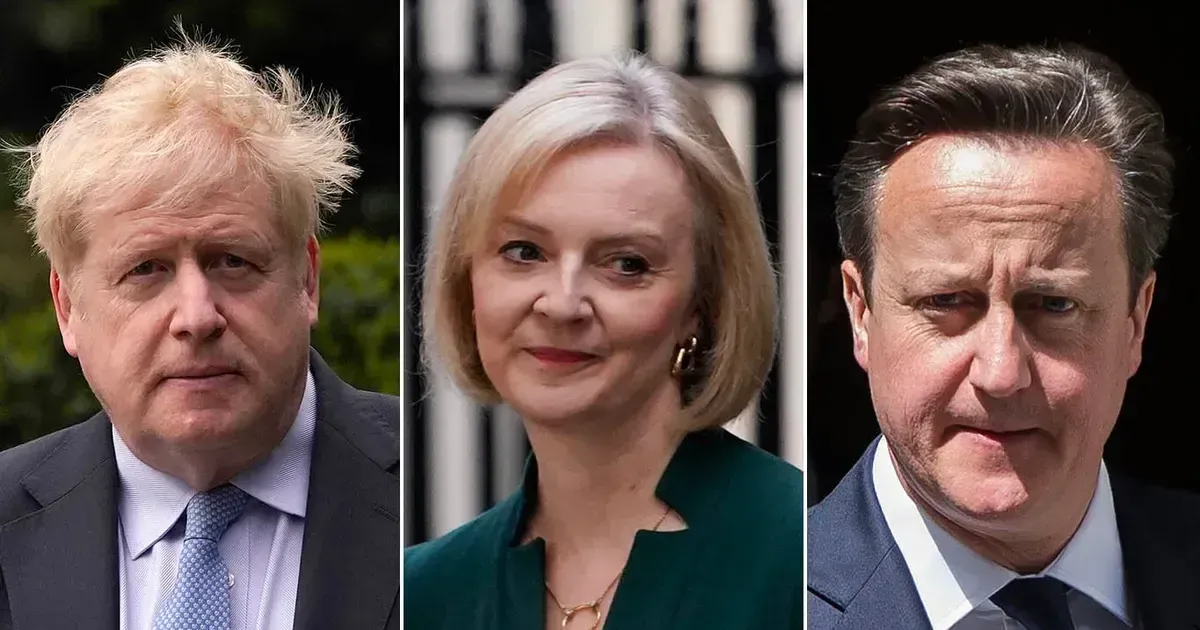
British political institutions are facing renewed questions about the longevity of their current leadership. The concern is less a formal challenge than a test of political stamina. The political test is whether party discipline can survive another round of public doubts. For Downing Street, the stability argument now has to compete with visible fatigue inside Labour. Records from May 13, 2026, indicate that the Labour government under Keir Starmer is navigating its most unstable period since taking office. While the 2024 election was intended to end a cycle of rapid turnover, internal party frictions and persistent economic challenges have reignited debates regarding the durability of the current administration.
Ten years of leadership churn left the United Kingdom with five different prime ministers between 2014 and 2024. This cycle of instability began with the resignation of David Cameron following the Brexit referendum and culminated in the landslide victory of the Labour Party two years ago. Every transition during that decade brought shifts in fiscal policy and diplomatic priorities, often complicating long-term planning for the civil service.
Stability was the central foundation of the Starmer campaign.
Prime Minister Keir Starmer entered 10 Downing Street with a mandate to restore order to a governing apparatus exhausted by years of internal Conservative Party conflicts. Recent developments, however, suggest that the honeymoon period has ended. Skepticism is mounting among backbenchers who are concerned that the government has not moved fast enough to address healthcare wait times and stagnant wage growth. These pressures are a familiar echo of the conditions that unseated previous occupants of the office.
Decade of Leadership Churn Weighs on British Governance
Reflecting on the past decade reveals a pattern of abbreviated tenures that have redefined the British premiership. Theresa May spent three years struggling with parliamentary deadlock before Boris Johnson secured an 80-seat majority in 2019. His departure in 2022 led to the 49-day term of Liz Truss, whose fiscal policies triggered immediate market volatility. Rishi Sunak subsequently held the office for less than two years before the 2024 general election.
A spokesperson for 10 Downing Street stated that the government remains focused on delivering the long-term foundations for growth rather than reacting to short-term political polling.
Public patience with political transitions has largely evaporated. Institutional memory suffers when the head of government changes every two years, according to several senior civil servants. Departments find it difficult to execute complex infrastructure projects or trade negotiations when the ministerial oversight is in constant flux. The current administration has attempted to reduce this by centralizing power within the Cabinet Office. Mounting internal party frictions have placed Starmer under significant pressure to address growing dissent within his ranks.
Investors and international partners prioritize predictability over specific policy leanings. Continuous changes in the prime minister's office during the late 2010s and early 2020s led to a perceived risk premium on British assets. Maintaining Keir Starmer as a steady figurehead is seen by many in the City of London as essential for keeping borrowing costs manageable.
Internal Labour Pressures and the Search for Growth
Economic performance continues to be the primary metric by which the public judges the Labour Party. Growth figures released earlier this quarter show the UK economy is still struggling to pull away from the low-growth trap that characterized the post-pandemic era. Critics argue that the government's cautious approach to fiscal spending has hindered the very stability it sought to provide.
Voters in former industrial heartlands have expressed frustration with the pace of the promised national renewal. Local council leaders have reported that the lack of immediate visible improvements in public services is feeding into a narrative of government inertia. If the cabinet cannot demonstrate real progress by the next budget cycle, the internal pressure for a change in direction will likely intensify.
Starmer’s Stability Pledge Now Depends on Delivery
Pressure to accelerate the government's legislative agenda is creating a divide between the Prime Minister's inner circle and the wider parliamentary party. The central challenge for Keir Starmer involves balancing the fiscal conservatism that won over swing voters with the expansive social demands of his core supporters. Failing to reconcile these two forces could lead to the same type of factionalism that paralyzed the previous administration during the Conservative Party years.
Legislative priorities for the coming year focus on planning reform and energy independence, two areas where the government hopes to find quick wins. These sectors are notorious for long lead times and high levels of local opposition. Success here would provide the government with the political capital needed to stave off leadership speculation, while failure would likely empower rivals within the party.
Stability in the UK is no longer a given; it must be earned through consistent delivery. The next twelve months will determine if the 2024 election was a genuine shift toward a new era or only a pause in a longer trend of executive instability. At stake is not just the Prime Minister's career, but the perceived reliability of the British state in a volatile global market.