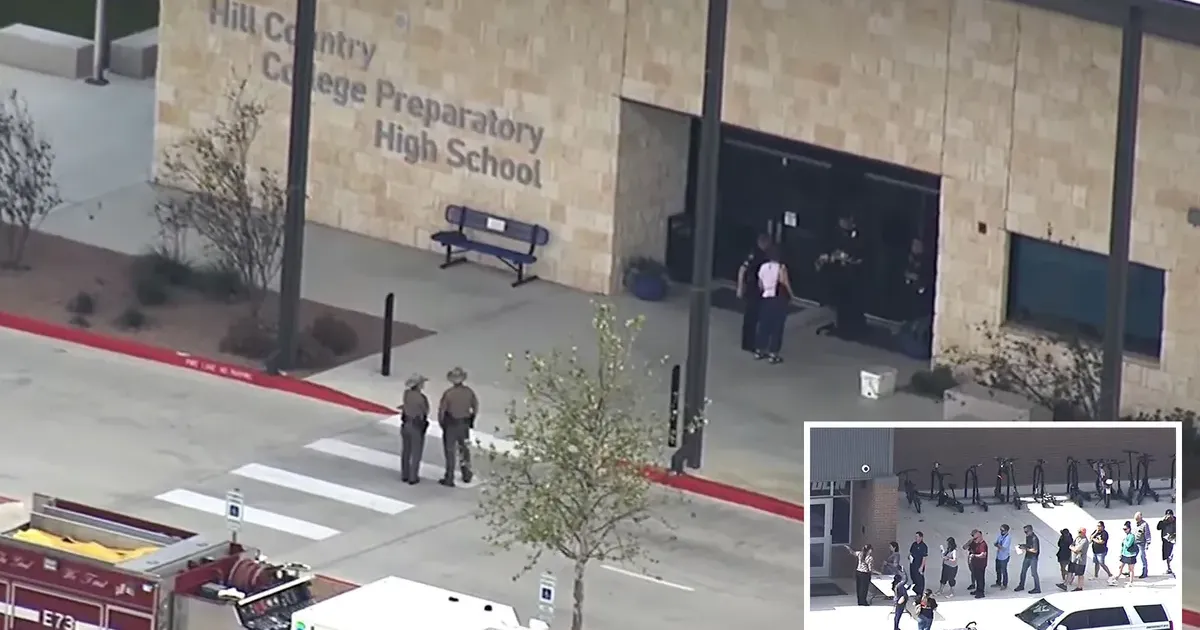
The Bulverde school shooting should be handled with restraint because the confirmed facts are already severe. On March 30, authorities said a 15-year-old student at Hill Country College Preparatory High School shot a teacher, then died from a self-inflicted gunshot wound. Other students were not physically injured, but the campus went into lockdown and families were sent into the familiar panic of reunification.
Later reporting sharpened the public-safety questions. The teacher was reported to be in stable condition and later released from medical care. Officials also said the student used a .357 revolver that belonged to his grandfather and had been accessible at home. Those details move the story beyond the first-day timeline and toward the harder issue of prevention.
The Confirmed Timeline Is Narrow
The shooting was reported around 8:34 a.m., before the district's official start time. Law enforcement said the situation was quickly contained and did not become a roaming active-shooter incident. Students were moved to Bulverde Middle School for reunification, and the school closed afterward as investigators and counselors moved in.
The narrow timeline matters. It prevents the story from becoming larger than the facts support, while still making clear that a teacher was shot and a child died at school. The absence of additional physical injuries does not make the event small.
Firearm Access Is The Central Follow-Up
The reported source of the weapon is now one of the most important facts in the case. If a teenager was able to take a revolver from home and bring it to campus, the investigation cannot stop at school procedure. It has to examine storage, supervision, access and whether any adult had warning that the gun was reachable.
The access question is different from motive. Motive asks why the student acted. Access asks how the act became possible. Both matter, but access is often where prevention policy becomes concrete. Secure storage, accountability for household firearms and early reporting systems are not abstract after a gun crosses a school doorway.
The Officer Detail Needs A Precise Reading
Local reporting also said the usual school resource officer was not on campus when the shooting occurred, partly because the incident happened before the formal start of the school day. The staffing detail deserves scrutiny, but it should not be turned into a simple claim that one officer would have prevented the shooting.
The operational question is more useful. What coverage is expected before arrival, during drop-off and during early access to campus buildings? Were doors, staff posts and radio procedures matched to the hours when students were already on site? A response plan that begins at the bell may leave a gap in the real school day.
Motive Remains An Evidence Question
Authorities and local reports raised possible academic struggles, but that remains a line of inquiry rather than a settled explanation. School shootings attract instant theories about discipline, mental health, bullying, grades and online behavior. Some may later matter. Some may be wrong.
The distinction protects the public record and the people left behind. The student has not been publicly identified. The teacher's privacy also deserves care. A community can demand answers without filling gaps with guesses that harden into rumor.
The Trauma Outlasts The Lockdown
No other student being shot does not mean students escaped harm. A lockdown teaches children how quickly an ordinary morning can become an emergency. Teachers return to classrooms with a different awareness of doors, hallways and announcements. Parents read district messages differently after waiting to learn whether their child is safe.
That recovery work needs more than one day of counseling. It needs repeated support, clear communication and a willingness to answer hard questions after the first press conference fades.
The Public Test Is What Changes
Bulverde does not need inflated language to be devastating. A teacher was wounded. A 15-year-old died. Students were locked down. Parents waited. The follow-up should be just as concrete: who had access to the firearm, what campus coverage existed before the bell, what warning signs were found, and what support students and staff are receiving now.
The measure of the official response will not be the speed of the first statement. It will be whether the district and investigators give the community accurate facts, visible safety changes and sustained care after national attention moves on.