Canada's energy-stability pitch has become more valuable as the Iran war keeps pressure on oil markets and the Strait of Hormuz. The argument is straightforward: when Gulf shipping, sanctions, military strikes and port blockades can move prices within hours, buyers place a premium on politically stable supply. Canada has that advantage. It does not have a complete shield.
The gap between stability and insulation matters because energy security is easy to oversell during a crisis. Canadian barrels, gas projects and critical-mineral ambitions can help allies diversify away from more exposed routes. They cannot repeal global oil pricing, create pipeline capacity overnight or remove the climate-policy questions attached to long-term fossil-fuel contracts.
Stability Is the Export Message
Canada has large reserves, established regulation, deep integration with U.S. refineries and a political system that looks predictable compared with a war zone. Political stability gives Ottawa and Canadian producers a useful message when importers are worried about Middle Eastern disruption: reliable jurisdictions matter.
Canada's wider diplomacy carried the same message. The strategic agreement with Japan tied energy security to defense, economic security and Indo-Pacific cooperation. For a country such as Japan, which depends heavily on imported energy and watches Hormuz risk closely, Canada can look like more than a commodity seller. It can look like a strategic hedge.
Hormuz Still Sets the Price
The problem is that stable supply does not mean isolated supply. Oil trades globally. If a renewed blockade, shipping attack or insurance shock lifts the global benchmark, Canadian crude becomes more valuable and consumers still face higher prices. A barrel from Alberta is safer from missiles than a barrel moving through the Gulf, but it is still priced inside the same market.
Global pricing explains why energy-independence rhetoric often breaks down. North American production helps with physical availability and strategic leverage. It does not guarantee cheap fuel when a major chokepoint is under stress. Canada's pitch is strongest when it promises reliability, not immunity.
Infrastructure Is the Constraint
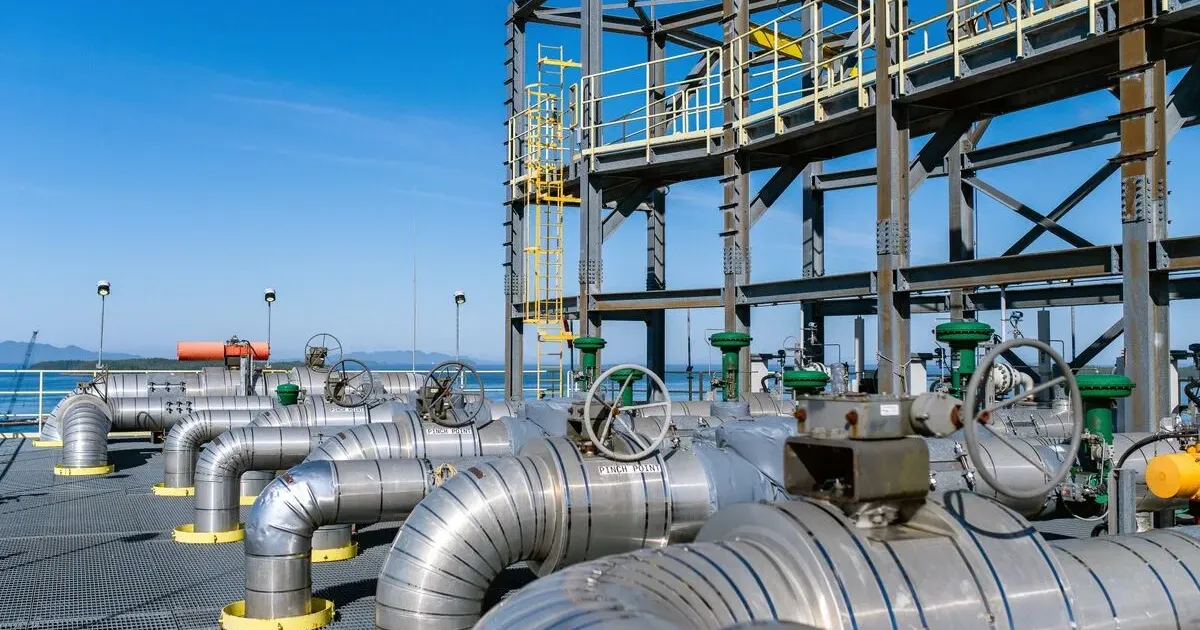
Canada's reserves are not the same as export flexibility. Pipelines, port capacity, rail bottlenecks, environmental review and provincial politics all decide how quickly extra supply can reach buyers. The Trans Mountain expansion improved access to Pacific markets, and LNG Canada has strengthened the case for Canadian gas exports, but the country still faces a long-standing gap between resource ambition and delivery capacity.
The infrastructure gap matters in a crisis. Buyers want optionality at the moment they need it, not after another permitting cycle. If Canada wants to turn stability into market share, it needs infrastructure that can move product where allies need it without treating every project as a new constitutional fight.
Global Buffers Are Wearing Down
The IMF warning about reduced oil-market cushions makes Canada's role more important. Early in the conflict, reserves, alternate supply and demand adjustments helped absorb some of the shock. Those buffers are thinner now. If Hormuz disruption persists or widens, countries will look harder for dependable supply from the Americas.
Thinner buffers do not mean Canada can simply fill the gap. The volume moving through Hormuz and the broader Gulf system is too large. But Canada can reduce marginal risk for selected buyers, especially when contracts, infrastructure and political relationships are already in place.
Prediction Markets Cannot Replace Physical Supply
The original market conversation around this issue included prediction-market data and online signals. Those tools may help traders read short-term conflict probability, but they do not move barrels, staff terminals or build storage. If algorithms chase rumors before official information catches up, volatility can rise faster than the physical market can respond.
Information volatility gives stable suppliers another advantage. In a noisy information environment, buyers want sources they do not have to constantly reprice for sudden closure, sanction risk or military escalation. Canada's advantage is lower political drama around production itself.
The Climate Tension Does Not Disappear
Long-term energy deals now sit beside emissions targets. Canada can market itself as a cleaner, more transparent and more reliable supplier than many competitors, but buyers still have to reconcile new oil and gas commitments with decarbonization plans. Security and transition are no longer separate conversations.
The strongest Canadian pitch is therefore disciplined. Canada can help allies diversify supply. It can support energy security during an unstable Middle East war. It can turn reliability into diplomatic value. What it cannot honestly promise is protection from global price shocks or an easy path around infrastructure and climate politics. Stability is an asset. It is not protection from the global market.