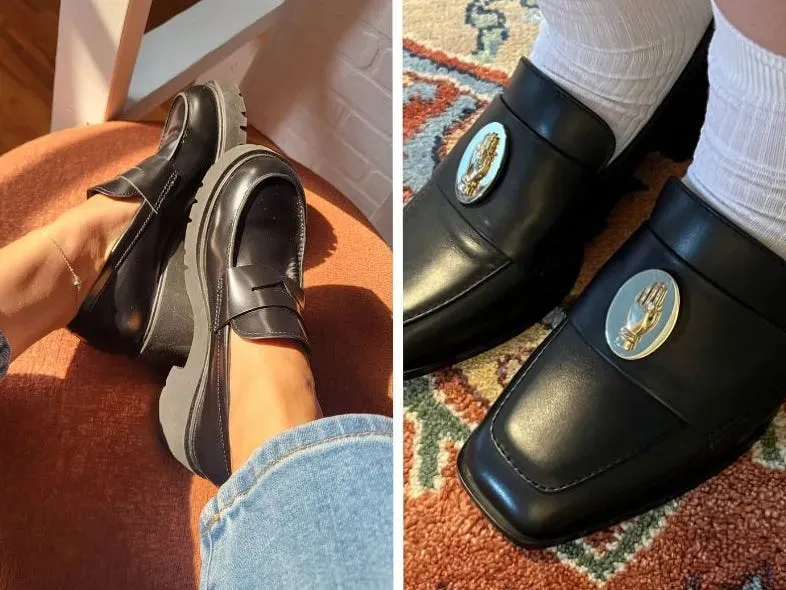
Global retailers revealed performance data showing a serious shift toward functional apparel. The April 1, 2026 data showed the shift clearly. Market analysts identified two specific categories, footwear and specialized swimwear, where engineering specifications now outweigh brand prestige. Companies including Everlane and Bravissimo saw meaningful growth in items marketed as podiatrist-approved or cup-size specific during the first quarter. Retailers now allocate larger portions of research budgets to orthopedic soles and corset-style structural supports.
Consumer demand for durable, versatile goods persists as economic volatility reduces discretionary spending on purely aesthetic items. Investment in Everlane and its pliable slip-on designs reflects a broader trend toward the soft leather slipper aesthetic. These designs mold to the foot over time. Reliability in manufacturing allows for a product that avoids the typical breaks-in period associated with heavy leather goods.
Footwear experts pointed to the Leather Day Driver Loafer as a primary example of this movement. Its unfussy shape provides immediate comfort without the traditional stiffness of office attire. High-end shoppers increasingly favor these utility-first options over standard luxury heels. Production cycles for these shoes have shortened to meet the rising demands for office-ready flats that support long commutes.
Footwear Engineering and Office Transitions
Vionic recently introduced the Uptown Loafer to address the specific needs of urban commuters. This shoe combines the aesthetics of a formal flat with the internal mechanics of a high-performance walking sneaker. Arch support and deep heel cups provide stability that traditional loafers frequently lack. Such features attract consumers who prioritize physical health alongside professional presentation. Technical footwear now occupies nearly 35% of the premium women's shoe market.
Italian-made options continue to hold value through brands like M. Gemi. Their Sacca Donna model utilizes a soft, unstructured fit derived from traditional menswear manufacturing techniques. Manufacturers in the Marche region of Italy have adapted their lines to produce these lighter, more flexible versions of classic styles. This shift allows for a tailored look that retains the comfort of a casual shoe. Orders for unstructured loafers rose by 22% in the last fiscal period.
Customizable comfort represents the next phase of footwear innovation. Frankie4 Franklin loafers use podiatrist-designed foam footbeds that users can swap or stack to adjust the internal volume. This level of personalization addresses common fit issues that often lead to customer returns. Podiatric health has become a key marketing pillar for brands traditionally known for high fashion. Revenue from these biomechanically engineered shoes reached $1.2 billion in the previous year.
"There's just something about their tailored polish and easy, flat soles that comforts my step and levels up a simple tee-and-jeans outfit," a style editor reported in the spring assessment.
Platform variants provide a bridge between height and stability for younger demographics. Camper Milah models use chunky soles that offer elevation without the precariousness of a stiletto. Younger professionals often choose these styles to maintain a modern edge while navigating diverse work environments. Durability in the vulcanized rubber soles ensures a longer product lifespan. Secondary market values for these durable styles have stayed strikingly stable. Similar structural innovations are currently transforming the intimate apparel market to prioritize support and inclusivity.
Swimwear Structural Integrity and Market Demand
Swimwear retailers are currently overhauling their sizing systems to accommodate a wider range of body types. Bravissimo leads this sector by offering products in exact cup and band sizes ranging from 30DD to 40K. The precision removes the guesswork associated with standard small, medium, and large sizing. Consumers reported higher satisfaction levels when swimwear functioned with the same level of support as a high-quality bra. Retailers reported a 40% reduction in returns for cup-sized swimwear compared to generic sizing.
Structural engineering in the beachwear category often mirrors historical garment construction. TA3 has gained market share by implementing laced backs that function similarly to a traditional corset. The design allows for waist cinching and bust lifting that elastic fabrics cannot achieve alone. Sizing for these specialized suits extends up to 4XL J/K cups. High-density fabrics provide the necessary tension to maintain shape during physical activities like beach volleyball. Modest options from Land's End cater to a demographic seeking coverage without sacrificing specialized bust support. Internal shelf bras and adjustable straps allow for a customized fit across different torso lengths. Market research indicates that 60% of women with larger busts feel underserved by mainstream swimwear brands. Increased focus on hidden underwires and reinforced seams has addressed these historical gaps in the market. Conservative designs now integrate high-performance materials usually reserved for athletic gear.
Brand loyalty in the swimwear sector now correlates directly with size inclusivity. Bleu Rod Beattie and Boden have expanded their Rhodes cup-size offerings to meet this demand. Customers often purchase multiple units once they find a silhouette that provides adequate security. These purchasing patterns suggest that technical fit is the primary driver of repeat business. Revenue for the bust-support swimsuit category is projected to grow by 12% annually through 2028.
Manufacturing Challenges in Technical Apparel
Producing garments with high technical specifications requires specialized machinery and skilled labor. Factories in Southeast Asia and Southern Europe are upgrading their facilities to handle the complex stitching required for supportive swimwear. Multi-layered fabrics and reinforced underwires increase production costs by approximately 15% compared to standard designs. Brands often absorb these costs to maintain competitive pricing in a crowded market. Wholesale prices for technical fabrics have fluctuated due to changes in raw material availability.
Quality controls for podiatrist-approved footwear involve rigorous testing of foam density and arch placement. Every batch of Vionic shoes must undergo pressure-map testing to ensure consistent support across all sizes. Inconsistencies in leather thickness can also affect the pliability of a loafer like the Everlane Day Driver. Retailers must maintain strict oversight of their supply chains to prevent performance degradation. Shipping delays for specialized components like orthopedic inserts have impacted global inventory levels.
Corporate sustainability goals also influence the manufacturing of these goods. Many brands now use recycled ocean plastics for swimsuit liners and bio-based foams for shoe soles. Balancing environmental impact with the durability required for functional fashion remains a complex logistical hurdle. Consumers show a willingness to pay a 10% premium for goods that combine technical performance with ethical production. Traceability in the supply-chain has become a standard requirement for high-end retail partnerships.
Internal logistics data shows that the shift toward utility is not a temporary trend. Professional women continue to demand attire that transitions seamlessly from home to office to leisure. Functional luxury is the new baseline for product development across the apparel industry. Future collections from major fashion houses are expected to incorporate more orthopedic and supportive elements. Retailers that fail to adapt their sizing and comfort metrics face increasing obsolescence in the 2026 economy.
Functional Fashion Margin Test
Standard industry metrics often overlook the psychological desperation behind the current surge in functional luxury. Consumers are no longer buying for the sake of the brand logo; they are buying for the survival of their own physical comfort in an increasingly demanding world. The pivot toward podiatrist-approved loafers and corset-style swimwear is not a triumph of fashion, but a surrender to the reality that modern life is physically taxing. When a shoe must be marketed as a medical device to be successful, the industry has admitted that its previous designs were fundamentally flawed. Retailers are currently trapped in a technical arms race that will eventually erode their profit margins. As engineering specifications like cup sizing and foam density become the new standard, the cost of entry for new brands becomes prohibitively high. The consolidation will leave the market dominated by a few giants who can afford the research and development of "smart" fabrics and orthopedic molds. Small designers who rely on aesthetic flair will be pushed out, leading to a sterile, utilitarian marketplace. We are trading the art of fashion for the science of comfort.
Will the consumer eventually tire of this pragmatic aesthetic? History suggests that once a utility-driven trend reaches its peak, a backlash of impractical, flamboyant luxury follows. However, given the current economic climate and the aging demographic of the highest spenders, the reign of the sensible loafer is likely to persist for the foreseeable future. The market has spoken. Comfort is the only currency that matters in 2026.