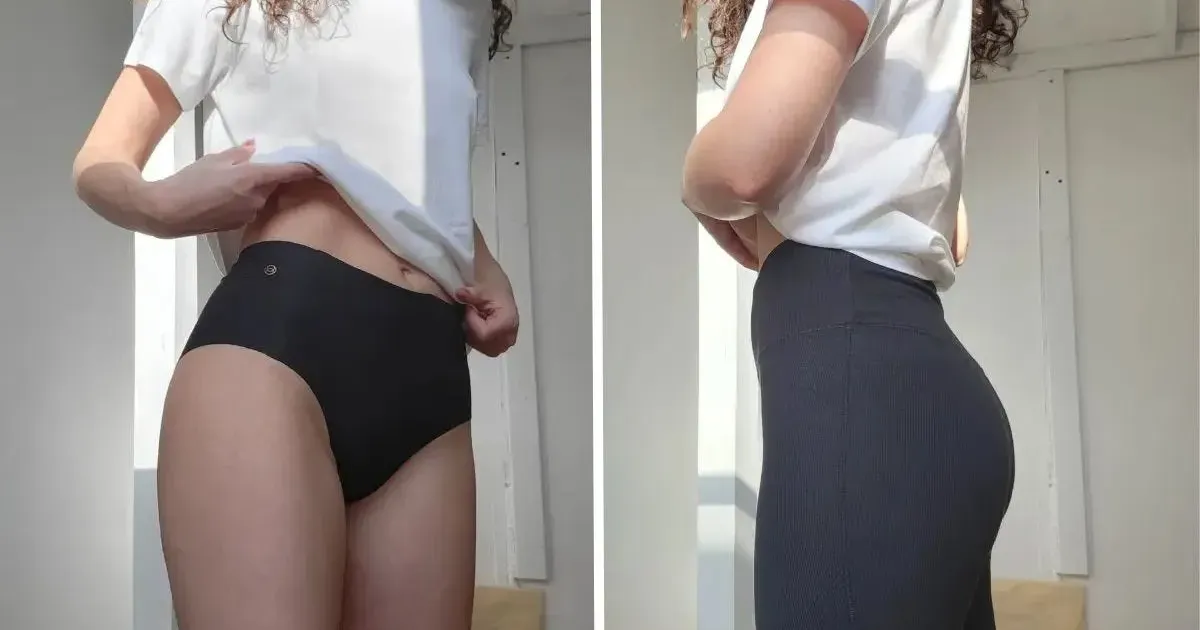
Gabrielle Chase reported on March 28, 2026, that the intimate apparel sector has entered a phase where technical performance outweighs traditional aesthetic appeal. Consumers now demand garments that function with the precision of athletic wear while maintaining the invisibility required for high-end fashion. Performance metrics for these garments focus on the ability to remain undetectable under sheer fabrics and compression leggings. Revenue in the premium underwear market continues to climb as shoppers abandon low-cost alternatives in favor of durable, high-tech designs.
Manufacturing standards for items like the Evelyn & Bobbie High-Waisted Thong suggest a broader industry trend toward seamless integration. Engineers use a blend of 79 percent polyamide and 21 percent elastane to achieve a four-way stretch that prevents the fabric from digging into the skin. High-waisted silhouettes provide structural support without the restrictive feel of traditional shapewear. These specific material ratios allow the garment to retain its shape after dozens of cycles in a standard washing machine.
In practice, quality manufacturing remains the primary differentiator in the crowded $12 billion intimate apparel sector.
Evelyn and Bobbie Changes Seamless Performance
Engineering teams at top brands now focus on raw-cut edges that bypass the need for traditional elastic bands. These bands often cause the visible lines that consumers find objectionable under form-fitting clothing. Evelyn & Bobbie has positioned its products as a solution for those wearing thin leggings or slip dresses. Testing conducted by the Business Insider Reviews team revealed that these pairs stay in place during intense physical activity. Elasticity is calibrated to ensure the garment does not migrate during a sweaty workout.
According to Gabrielle Chase, the Senior Associate Style Editor at Business Insider, the functionality of these pieces justifies the higher retail cost.
The Evelyn & Bobbie thong is my absolute favorite pair of no-show underwear. If they didn't cost $22 a pair, I would fill my top drawer with these.
That said, price sensitivity is still a factor for consumers who compare these specialized items to multi-pack offerings from legacy retailers. A single pair of high-performance thongs can cost as much as a five-pack of standard cotton underwear. Brands argue that the longevity of synthetic blends provides a lower cost-per-wear over the life of the product. Polyamide resists pilling and fading much better than natural fibers. The $22 price tag reflects the specialized machinery required to create bonded, stitch-free seams.
Engineering High Performance Intimate Apparel
Then again, cheaper alternatives often rely on bulky stitching that fails to disappear under modern textiles. Designers are moving toward heat-bonded seams that lay completely flat against the body. This technique requires precision temperature control to ensure the bond does not fail during home laundering. Most performance thongs feature a 100 percent cotton gusset to ensure breathability and hygiene. Polyamide provides the structural stretch, while the cotton lining addresses health concerns associated with synthetic fabrics. Balance between these materials defines the success of a premium underwear line.
Apart from that, the industry has seen a rise in the use of recycled synthetics to appeal to environmentally conscious shoppers. Brands like Harper Wilde and Tommy John have experimented with different fabric weights to optimize comfort. Lightweight fabrics are essential for comfort, but they must maintain enough tension to prevent the garment from rolling down. Testers found that the Evelyn & Bobbie high-waisted design uses the rise of the garment to secure its position. A higher waistband distributes pressure over a larger surface area.
Yet, the shift toward utility does not mean that aesthetics have been entirely discarded. Many brands offer neutrals and basic tones that match a wide variety of skin colors to enhance the no-show effect. Sheer fabrics require an exact color match to remain truly invisible. Manufacturers have expanded their palettes beyond basic beige and black. This expansion reflects a more sophisticated understanding of the global consumer base.
Consumer Spending Patterns in Premium Lingerie
Still, the logistical challenge of maintaining a broad size range is still a major hurdle for many startups. Producing sizes from 0 to 24 requires different tension calibrations for each tier. Evelyn & Bobbie offers two distinct size categories, 0-14 and 16-24, to ensure the fit remains consistent across different body shapes. Scaling a seamless design is more complex than scaling a stitched one because the fabric tension must be managed across a larger surface area. Larger sizes require a slightly higher percentage of elastane to maintain structural integrity. This commitment to inclusivity has helped boutique brands capture market share from established giants.
Size inclusivity has become a non-negotiable requirement for modern apparel brands. Consumers are vocal about their refusal to support companies that do not cater to a full spectrum of body types. Digital platforms allow shoppers to share fit data and durability reports in real time. A single production flaw can go viral, causing immediate damage to a brand's reputation. Quality control departments now use automated scanners to check for microscopic tears in the polyamide mesh.
And yet, the retail environment for these products is increasingly competitive as Amazon and other giants launch private labels. These private labels often mimic the design of premium brands at a fraction of the cost. Performance testing shows that while the look may be similar, the material recovery is often inferior. Cheap elastane loses its snap after five to ten washes. Premium brands rely on superior fiber sourcing to justify their market position.
Manufacturing Standards for Size Inclusivity
Retailers are noticing that shoppers now view high-quality underwear as a long-term investment rather than a disposable commodity. High-waisted thongs have seen a 15 percent increase in sales year-over-year according to recent market tracking data. The trend aligns with the popularity of high-rise denim and leggings. The cooperation between outerwear trends and intimate apparel design is stronger than ever. Manufacturers must anticipate shifts in waistline height six to twelve months in advance.
Future growth in the sector will likely come from the integration of even more advanced materials. Some laboratories are testing moisture-wicking polymers that can absorb and release heat based on skin temperature. Antimicrobial coatings are also becoming a standard feature in high-end athletic thongs. These innovations aim to make the garment feel like a second skin. The objective is to eliminate the physical sensation of wearing underwear entirely.
Intimate apparel companies that fail to innovate in fabric technology are quickly losing relevance among younger demographics. Gen Z and Millennial buyers prioritize comfort over traditional sex appeal. The decline of runway-focused marketing in favor of wearability testing marks a meaningful period in fashion history. Brands that can deliver invisibility and comfort in one package will dominate the next decade of retail.
Cotton remains the gold standard for gusset linings even in the most advanced synthetic thongs. The material choice is driven by medical recommendations regarding breathability. The 100 percent cotton gusset is a critical component for consumer health and comfort. It prevents the moisture buildup that can lead to skin irritation during long periods of wear.
The Elite Tribune Perspective
Excessive pricing for a scrap of polyamide reveals a deeper truth about the modern consumer's desperation for physical relief. For decades, the fashion industry treated the female form as a secondary concern to the visual impact of the garment, forcing millions into restrictive, painful, and poorly designed underwear. The rise of a $22 thong is not a sign of luxury, but a tax on basic comfort that should have been solved by manufacturing giants half a century ago.
It is an indictment of legacy brands that companies like Evelyn & Bobbie can disrupt an entire market simply by making a product that does not hurt the wearer. We see a shift where the vanity of the runway is being replaced by the cold, hard reality of the commute and the gym. It is a commodification of the bare minimum. While some may scoff at the technical analysis of a thong, the economics of intimate apparel show that consumers are willing to pay a major premium to simply forget they are wearing clothes.
The industry is finally moving away from the male gaze and toward the lived experience of the woman, and the financial returns are proving that utility is the most profitable trend in fashion history.