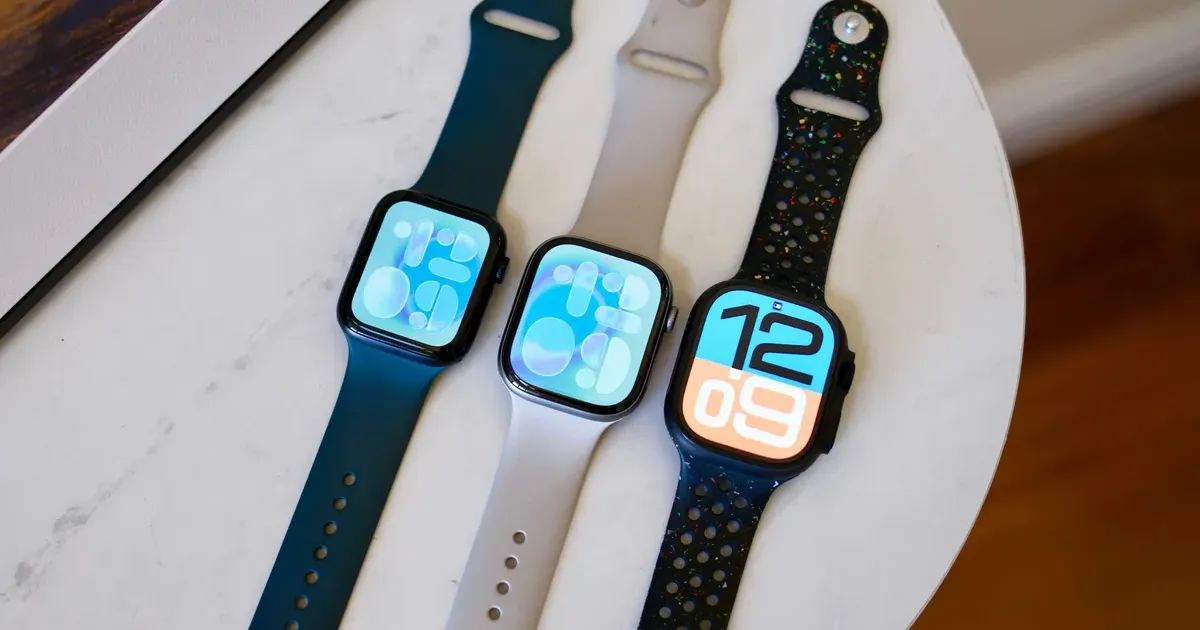
Apple's 2026 smartwatch lineup has reinforced its control of the wearables market by splitting buyers into clear hardware tiers. The strategy is familiar but effective: a mainstream Watch for most iPhone users, a lower-cost SE model for entry buyers, and an Ultra model for athletes and outdoor users who want a larger, tougher device. The result is a product ladder that keeps customers inside the iPhone ecosystem without forcing every buyer into the same price point.
The Watch business remains one of Apple's clearest examples of ecosystem lock-in. Competitors can match individual features, but they struggle to copy the way the Apple Watch connects with iMessage, iPhone notifications, Apple Pay, Fitness, Health and family setup tools. That integration makes the device feel less like a standalone gadget and more like a daily extension of the phone.
Analysts have pointed to the Series 11, SE 3 and Ultra 3 as a disciplined lineup rather than a radical reinvention. That is the point. Apple does not need the watch to surprise everyone every year. It needs the device to remain useful enough, polished enough and sticky enough that iPhone owners keep upgrading on schedule.
Apple Watch Series 11 Performance and Design
Series 11 remains positioned as the default choice for many iPhone owners because it balances design, health features and everyday convenience. Reports around the model emphasize refinement rather than reinvention: a familiar shape, smoother performance, brighter display behavior and improved efficiency. Those changes matter because a smartwatch is judged through repeated small interactions, not one dramatic feature.
The core appeal is speed and reliability. Users glance at messages, check workouts, approve payments, answer calls, follow directions and review health trends. If those interactions feel instant, the watch earns its place on the wrist. If they feel slow or fussy, the device becomes another screen to manage. Apple's advantage is that the Watch usually stays on the useful side of that line.
"The Apple Watch continues to set the bar for what users should expect from a smartwatch," according to Tyler Hayes.
Health tracking remains central, but the language around it needs care. The Watch can help users track heart rate, sleep, workouts and other wellness signals. It is not a doctor, and it should not be described as a guaranteed preventive medical system. Its value is in trend awareness, alerts and convenience. That is enough to make it meaningful without turning consumer hardware into medical certainty.
SE 3 Keeps the Entry Door Open
The SE 3 serves buyers who want the Apple Watch experience without paying flagship prices. It keeps the basic communication, safety and fitness features that make the platform useful while leaving out some premium display and sensor capabilities. That separation is deliberate. Apple uses the SE line to bring new users into watchOS while protecting the appeal of the main Series model.
The SE model is especially useful for families, younger users and people who want notifications, activity tracking and Apple Pay more than advanced health tools. Its value depends on the same ecosystem logic as the flagship watch. It is not the most capable model, but it opens the door to Apple's services and routines at a lower price.
The omissions also reveal Apple's pricing discipline. Features such as always-on display behavior, faster charging or more advanced sensors can become reasons to move up the ladder. That is not accidental segmentation. It is how Apple turns a budget product into both a sale and a future upgrade path.
Ultra 3 Targets Athletes and Outdoor Users
The Ultra 3 is aimed at a different buyer: runners, hikers, divers and users who want a larger battery, tougher case and more specialized controls. It is less about fashion and more about confidence in difficult conditions. A rugged watch has to handle longer workouts, water exposure, rougher handling and navigation demands that the standard model may not be designed around.
Features such as a programmable action button, stronger GPS performance, depth-related tools and emergency audio are meant to separate the Ultra from the rest of the lineup. Those tools will be unnecessary for many users. That is why the product works as a premium tier. It gives serious athletes and outdoor users a reason to spend more without making the mainstream watch feel incomplete.
Samsung, Google and fitness-focused brands keep pressure on Apple, especially around battery life and training depth. Some competitors offer longer runtimes or more specialized sports metrics. Apple answers with integration and consistency. For many iPhone users, the question is not which watch has the longest spec sheet. It is which watch works with the least friction.
Supply-chain and sustainability claims also remain part of Apple's wearables story, from recycled materials to more efficient components. Those claims help the company position the Watch as premium and responsible, but they do not change the underlying business model. The lineup is built to maximize margins, preserve upgrade cycles and keep users tied to the broader Apple environment.
Why Apple's Watch Lead Holds
Legacy tech brands often fall into iterative complacency, and the 2026 Apple Watch lineup is an exercise in controlled stagnation. Series 11 and Ultra 3 may be among the strongest smartwatches on the market, but they refine existing ideas rather than leap into the future. Why has the industry accepted roughly day-long battery expectations as normal when some competitors push toward much longer use? The answer is the ecosystem lock-in that makes the iPhone an inescapable tether.
Apple knows that as long as integration remains seamless, the hardware only needs to be meaningfully polished rather than revolutionary. This is not innovation in the classic sense; it is a calculated exercise in maintaining a luxury monopoly. The SE 3 is particularly revealing because it withholds enough premium features to push aspirational buyers toward the Series line. Consumers are not just buying a watch. They are paying to remain inside a digital social class. Until a competitor breaks the gravity of iOS, incremental updates will keep being marketed as major achievements. The best Apple Watch of 2026 may simply be the one a buyer can afford to enter the trap with.