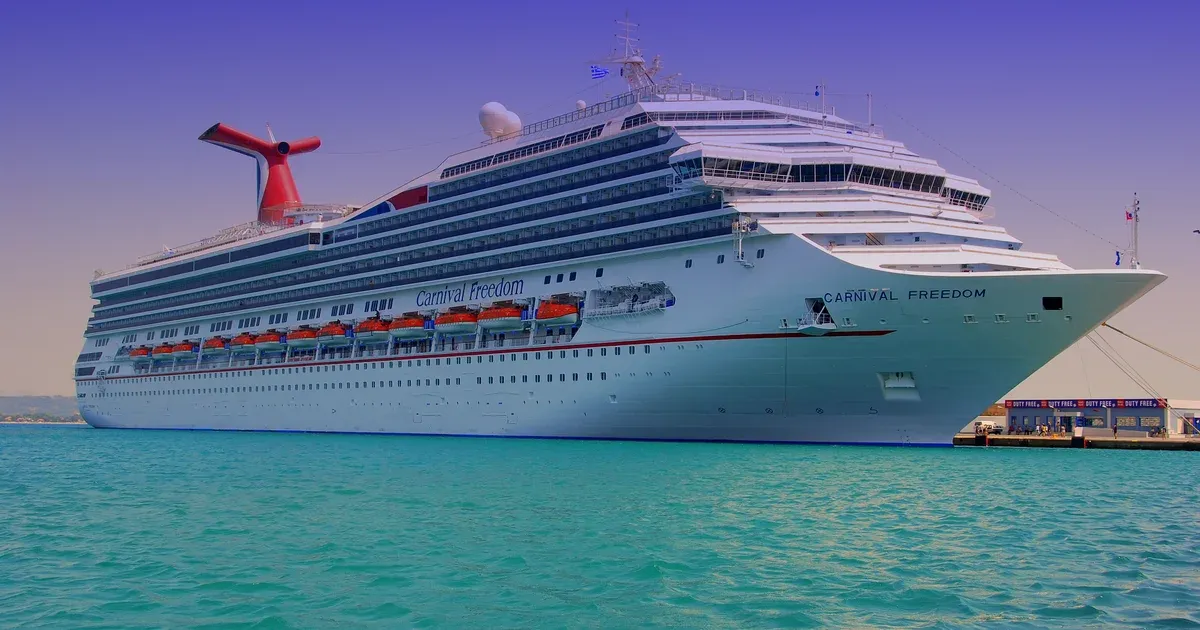
Carnival Corporation is under pressure because rising fuel prices are exposing a weaker hedge position than some of its cruise rivals. Royal Caribbean Group, by contrast, has more protection against fuel volatility, giving investors a clearer reason to separate the two operators.
The split became more visible on April 7, 2026, as energy markets remained unstable and cruise margins came under renewed scrutiny. What looks like a commodity issue is also a test of balance-sheet strength after years of pandemic-era debt repair.
Carnival Fuel Exposure and Margin Contraction
Operating a fleet of nearly 100 vessels requires a large commitment to energy procurement. Carnival Corporation chose a strategy that relies heavily on spot market prices for bunker fuel rather than locking in rates through derivatives. Higher energy prices translate directly into increased operating expenses for unhedged companies. Market analysts estimate that for every $10 increase in the price of fuel, Carnival faces an EBITDA headwind of approximately $500 million annually. This financial burden complicates the company's efforts to reduce its large debt load. Equity traders reacted to these numbers by selling off shares in favor of competitors with more solid hedging portfolios.
Cash preservation became the primary focus for the company during the previous fiscal years. Executives prioritized paying down high-interest loans acquired during the global travel shutdown over expensive fuel derivatives. Financial advisers suggest that the cost of entering hedging contracts during periods of high-interest rates was prohibitive for a firm with Carnival's specific credit profile. Management bet on a stabilization of energy prices that failed to materialize in the current geopolitical climate. Daily fuel costs for a single Excel-class ship can exceed six figures when prices are elevated.
Carnival Corporation stated in a recent financial filing that it does not currently have any fuel hedge contracts in place to reduce the risk of adverse changes in fuel prices for its upcoming sailings.
Risk mitigation strategies differ wildly across the Miami-based cruise hub. Royal Caribbean Group entered the current quarter with approximately 50% of its fuel consumption hedged at attractive levels. Pricing certainty allows for more aggressive capital allocation toward new vessel construction and technological upgrades. Stronger balance sheets enable these companies to weather energy spikes that would otherwise cripple their bottom lines. Investors frequently reward this stability with higher valuation multiples compared to unhedged peers. Consistency in earnings reports has become a hallmark of the Royal Caribbean financial model.
Strategic hedging requires a sophisticated understanding of maritime fuel grades. Most modern cruise ships use a mix of Marine Gas Oil and Very Low Sulfur Fuel Oil to meet environmental regulations. Royal Caribbean uses a tiered hedging approach that covers multiple years of anticipated demand. Recent data shows the company saved millions by avoiding the peak spot prices seen in the early spring. Financial stability permits the purchase of these insurance-style contracts even when market premiums are high. This proactive stance is a buffer against the inherent unpredictability of the petroleum market.
Profitability depends on the ability to forecast expenses with precision. Competitors who secured fuel at $100 per barrel or lower are now generating much higher free cash flow. Carnival must instead pass these costs on to consumers through fuel surcharges or internal cost-cutting measures. Surcharges risk alienating price-sensitive travelers who are already facing broader inflationary pressures. Internal cuts often target marketing or ship maintenance, which can degrade the long-term brand value. Fuel accounts for nearly 15% of total cruise operating costs in a standard environment.
Energy analysts point to several factors driving the current price escalation. Global supply constraints coupled with rising demand for maritime transport have pushed bunker fuel prices to multi-year highs. The transition to cleaner fuels like liquefied natural gas adds another layer of complexity to the hedging equation. Unhedged lines find themselves at the mercy of refinery margins and regional supply imbalances. Every gallon of fuel burned without a hedge is a direct hit to the shareholder value of the parent company. Port fees and labor costs are also rising, leaving fuel as the only major variable that can be effectively managed through financial tools.
Modernization of the global fleet has not happened fast enough to offset these price increases. Efficiency gains from new hull designs and air lubrication systems provide a marginal benefit. These technical improvements cannot compete with the substantial savings provided by a well-timed hedge. Older ships in the Carnival fleet remain less fuel-efficient than the newer builds at Royal Caribbean. Fuel consumption per passenger cruise day is a metric that investors are watching with increasing scrutiny. Poor performance in this area leads to a widening gap in competitive positioning.
Fuel Strategy Becomes Brand Strategy
Fuel hedging does not make a cruise line immune to higher oil prices. It gives management time, predictability and room to avoid sudden customer-facing surcharges.
That is why the issue now reaches beyond treasury desks. A company that cannot control fuel exposure may eventually have to adjust prices, cut spending or accept lower margins, and each choice affects the passenger experience as much as the stock chart.