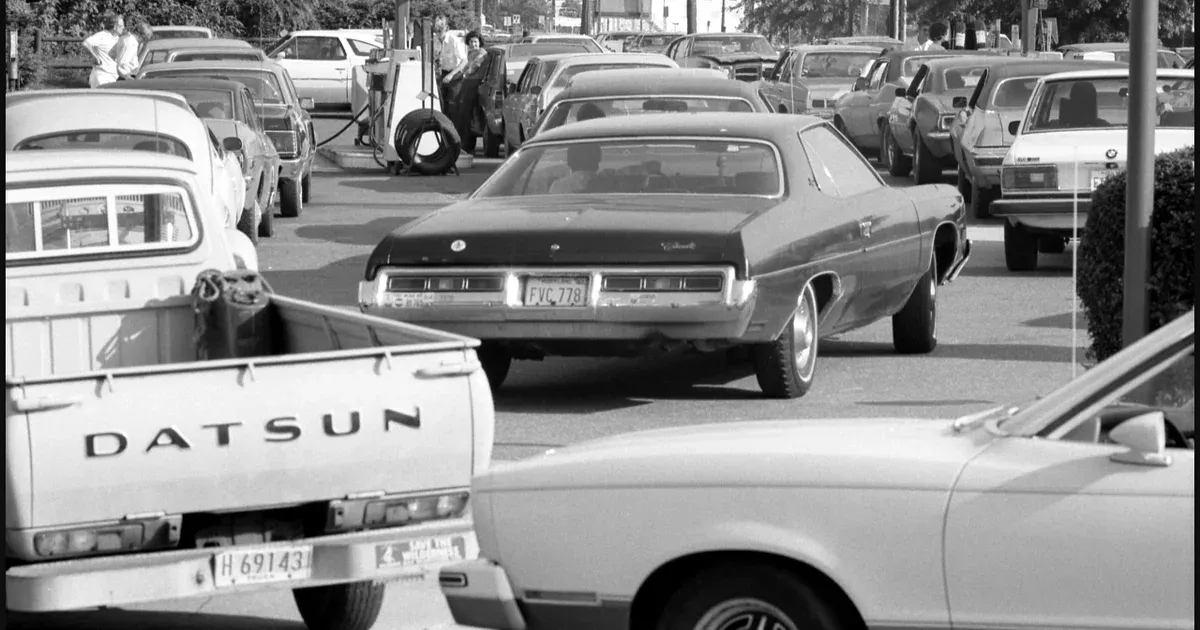
The latest energy shock is being compared with the 1970s because it combines supply fear, inflation pressure and geopolitical uncertainty. Oil markets are reacting not only to barrels lost today, but to the possibility that shipping and insurance around the Persian Gulf remain unstable. For governments, the issue is no longer only energy supply; it is inflation, growth and fiscal resilience. The risk picture sharpened on April 7, 2026, as analysts discussed scenarios in which crude could move toward $150 per barrel if the Strait of Hormuz becomes unreliable.
Strait of Hormuz Blockade and Global Energy Crisis
Tehran maintains its blockade of the Strait of Hormuz, ignoring the deadline set by Donald Trump for the reopening of the waterway. This tactical move has severed the primary transit route for one-fifth of the world's petroleum supply. Alternative pipelines lack the capacity to compensate for the lost maritime volume. Global inventories are declining at the fastest rate in decades. Energy security experts at the IEA warn that the depletion of strategic reserves cannot sustain the global economy indefinitely. Countries reliant on liquefied natural gas are particularly vulnerable to price spikes. Industrial output in Germany and Japan has already shown signs of contraction. European gas prices have tripled since the blockade began.
The impact of the Middle East conflict on the oil market was larger than the combined force of the twin oil shocks of the 1970s and the fallout from Russia's invasion of Ukraine, Fatih Birol told Le Figaro.
International Energy Agency Projects Iran Supply Deficit
Fatih Birol issued six predictions regarding the restructuring of the energy landscape given the Iran conflict. Transitioning away from fossil fuels may accelerate in some regions, yet the immediate need for heating and industrial fuel remains a primary concern for most governments. Investment in renewable infrastructure is struggling to keep pace with the sudden loss of Iranian and regional exports. Supply-chain bottlenecks are hindering the delivery of solar panels and turbine components.
Washington has coordinated with allies to release millions of barrels from the Strategic Petroleum Reserve. These efforts have provided only temporary relief to the soaring prices at the pump. Donald Trump has signaled that further military action remains an option if the Strait of Hormuz does not open to commercial traffic. Markets reacted to these statements with another round of frantic buying.
International Monetary Fund Warns of Global Energy Impact
Analysis from the International Monetary Fund suggests that emerging economies face heightened risks of high interest rates and currency shocks. Unlike previous decades, these nations now rely heavily on market investors and private capital flows. Roughly $4 trillion flowed into emerging markets last year from the shadow banking sector. Much of this capital originated from hedge funds and private equity firms.
Hedge fund managers are now withdrawing capital from riskier assets to cover losses in the energy sector. This flight to safety is draining liquidity from developing markets at an alarming speed. International Monetary Fund officials noted that the reliance on nonbank financial intermediaries makes the current crisis more unpredictable than the 1970s oil shocks. Credit markets are tightening across South America and Central Asia.
Developing nations are bearing the heaviest burden of the energy spike. Sub-Saharan Africa and parts of Southeast Asia are facing widespread blackouts and fuel shortages. Transportation costs are rising so rapidly that food distribution networks are beginning to fail in isolated regions. Local currencies in these areas are losing value against the U.S. dollar.
Sovereign debt defaults are becoming a genuine possibility for countries with high energy import bills. Central banks are forced to raise interest rates to defend their currencies, even as their domestic economies enter recession. The International Monetary Fund is preparing emergency lending facilities to prevent a systemic collapse. These measures may not be enough if the energy crisis persists beyond the summer.
Economic data from the IMF highlights a growing divergence between energy-exporting nations and the rest of the world. While some producers are seeing record revenues, the cost of industrial inputs is eroding their profit margins. Global trade volumes are expected to shrink by three percent this year. Inflationary pressures are reaching levels not seen in 40 years. Investors are closely watching the Tuesday deadline issued by Donald Trump. A failure to reopen the shipping lanes could lead to a direct military intervention. Military analysts suggest that a protracted naval conflict would keep energy prices elevated for years. Tehran has shown no sign of capitulating to Western economic pressure.
Crude oil futures continue to seesaw as rumors of secret negotiations circulate through diplomatic channels in Geneva. Fatih Birol and the International Energy Agency maintain that the era of cheap energy has ended. Structural changes in how the world produces and consumes power are no longer optional. Global energy security is no longer a guaranteed component of the international order.
The conflict involving Iran and several regional powers pushed global energy markets into extreme volatility on April 7, 2026, threatening the structural integrity of the international financial system. Market participants are struggling with a supply disruption that now exceeds the combined severity of the 1973 OPEC embargo, the 1979 Iranian Revolution, and the 2022 energy crisis. Crude oil prices climbed toward $150 per barrel.
Economic assessments released six weeks into the crisis suggest the global shock is roughly half the magnitude of the COVID-19 pandemic. While the 2020 health crisis paralyzed entire industrial sectors, the current geopolitical conflict focuses its damage on the essential arteries of global shipping and energy production. Total losses are projected to reach trillions of dollars by the end of the fiscal year.
Energy Security Becomes Macro Policy
Energy security is now macroeconomic policy. A government that cannot protect fuel supply may also struggle to protect household budgets, currency stability and industrial output. That does not mean every shock becomes a repeat of the 1970s. It means policymakers have to treat chokepoint risk, reserves, demand management and diplomacy as part of the same economic response.